Israel and Lebanon agree to renew ceasefire as Trump seeks to overcome barriers to Iran deal
The U.S. says Israel and Lebanon agreed to renew a ceasefire, tying it to Hezbollah’s full withdrawal from the south as Washington pushes Iran talks.
Intelligence analysis by GPT-5.4 Mini
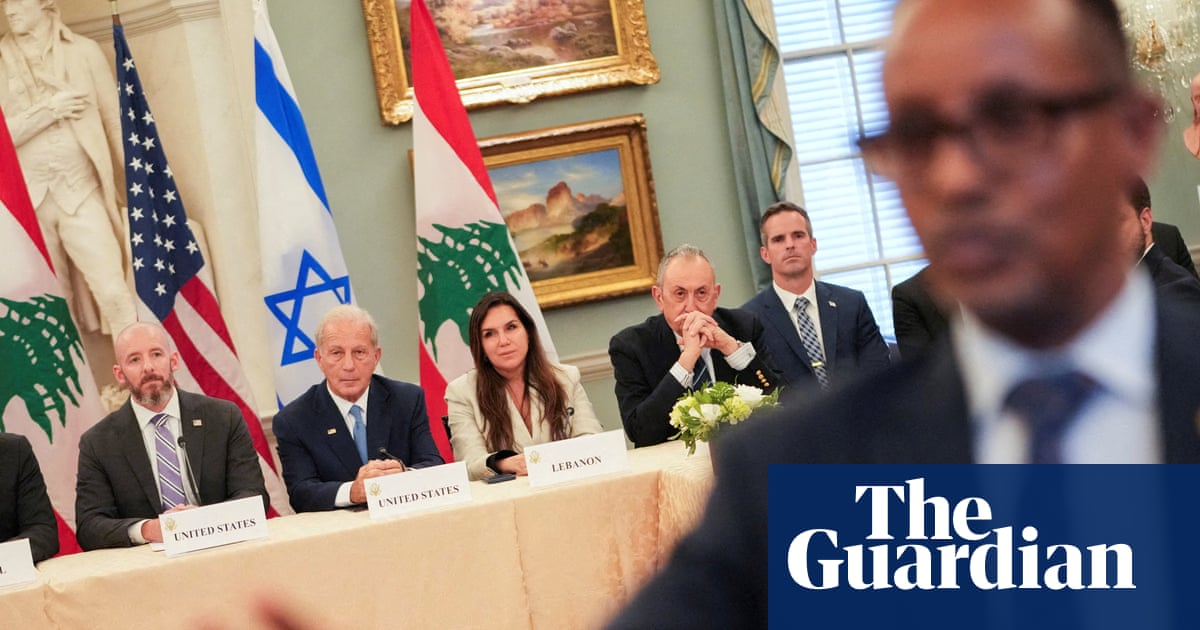
Washington says a renewed ceasefire between Israel and Lebanon depends on Hezbollah ending fire and leaving southern Lebanon. The announcement came as cross-border attacks continued and the wider Iran negotiations remained under strain.
It is like two neighbors agreeing to stop throwing rocks, but only if one side puts down its slingshot and leaves the yard. The problem is that both sides were still arguing and throwing things while the deal was being discussed.
Analysis
What Washington says
The Trump administration said Israel and Lebanon agreed to implement a ceasefire aimed at ending hostilities. According to a joint U.S. State Department statement, the truce is conditional on a complete halt in fire from Hezbollah and the evacuation of its operatives from southern Lebanon.
The two sides do not have formal diplomatic relations, so the talks were indirect and focused on practical steps rather than a full political settlement. One key element is the creation of “pilot zones” where the Lebanese armed forces would take exclusive control, excluding other armed groups.
Why the ceasefire is fragile
The announcement did not mean the fighting had stopped. The article says cross-border attacks continued earlier the same day, with Hezbollah claiming strikes on Israeli troops and Israeli attacks killing at least nine people in southern Lebanon. A Hezbollah official told AFP the group would not accept a partial ceasefire, and Hezbollah was not part of the Washington talks.
The conflict has also remained tied to the broader U.S.-Iran relationship. Trump said he wanted to separate the Lebanon talks from the Iran war, but Tehran has insisted the two conflicts are linked. Iran even threatened to suspend peace talks with the U.S. over Israel’s campaign in Lebanon, raising the risk that diplomacy could unravel.
Wider stakes
Trump said he had stopped an imminent Israeli strike on Beirut and had spoken with Israeli and Hezbollah representatives who agreed that “all shooting will stop,” according to the article. Netanyahu later told CNBC that he and Trump were aligned on disarming Hezbollah as part of peace efforts between Israel and Lebanon.
The story also notes pressure on Trump from rising energy prices and economic uncertainty, while the U.S. House delivered a symbolic rebuke by backing a move to force congressional approval for war decisions or a withdrawal of U.S. forces.
Key points
- The U.S. says Israel and Lebanon agreed to renew a ceasefire after talks in Washington.
- The deal is conditional on Hezbollah stopping fire and pulling its operatives out of southern Lebanon.
- The plan includes pilot zones where the Lebanese army would have exclusive control.
- Hezbollah says it will not accept a partial ceasefire and was not part of the talks.
- The Lebanon fighting remains linked to broader U.S.-Iran diplomacy and regional tensions.
If the agreement holds, it could reduce fighting in southern Lebanon and create space for the Lebanese army to take a larger role there. It could also remove a major obstacle in the wider U.S. effort to keep talks with Iran alive.
The ceasefire may fail if Hezbollah rejects the terms or if either side keeps carrying out attacks it says are responses to violations. The article suggests the wider Iran talks could also collapse if the Lebanon conflict keeps pulling the disputes together.