Israel carries out air strikes on Lebanon, state media says, as Iran claims deal with US near
Israel struck southern Lebanon after evacuation warnings, while Iran and the US moved closer to a possible deal that could ease regional tensions.
Intelligence analysis by GPT-5.4 Mini
The article links fresh Israeli air strikes in Lebanon with fast-moving diplomacy between Iran and the US. It says a possible agreement could reopen the Strait of Hormuz and set up later talks on Iran's nuclear programme, though key details remain unsettled.
Israel hit places in Lebanon while leaders in Iran and the US were still trying to make a big agreement. It is like two neighbors arguing while their parents are trying to set house rules; even if a deal is close, one more upset can still cause trouble.
Analysis
Lebanon strikes
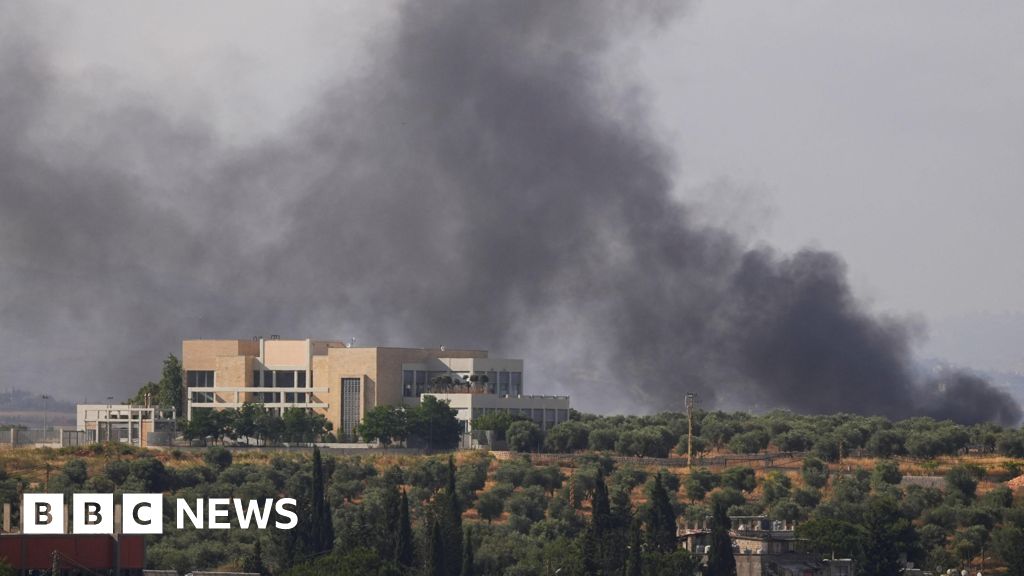
Israel carried out air strikes in southern Lebanon after telling people to leave about 20 locations, according to Lebanese state media. The Lebanese National News Agency said at least one person was killed in a strike on Marrakeh in the Tyre district. The article says Israel's prime minister had already warned that Israel would hit Hezbollah if attacks on northern Israel continued.
Iran-US talks
The strikes came as officials in Iran and Pakistan described a possible deal between Iran and the US as near. Pakistan's prime minister, Shehbaz Sharif, said on X that the countries were closer to a peace deal than ever before and that finalisation could come within 24 hours. Iran's foreign minister, Seyed Abbas Araghchi, said a deal to end fighting with the US was close and said it also envisaged an end to the conflict between Israel and Hezbollah in Lebanon.
What the deal could include
According to the article, the reported agreement would reopen the Strait of Hormuz and lift a US blockade of Iranian shipping. US officials said economic gains for Iran would depend on Tehran meeting its obligations. They also said the deal would lead to a 60-day negotiation period focused on Iran's enriched uranium, with the aim of destroying and removing that material from the country, though the exact mechanism is still being worked out.
The article also says there is no final consensus inside Iran yet. Araghchi said there are supporters and opponents among the Supreme National Security Council, and that the agreement would be signed remotely if approved.
Unresolved questions
The article notes that previous US reporting suggested Lebanon might not actually be part of the deal, while Iran has reportedly wanted it included. It also says the US and Iran have still exchanged intermittent fire despite an April ceasefire, including strikes earlier this week. That leaves the reported framework sounding close, but not locked in.
Key points
- Israel carried out air strikes in southern Lebanon after warning people to leave about 20 locations.
- Lebanese state media said at least one person was killed in Marrakeh in the Tyre district.
- Iranian and US officials said a deal between them is close, but not yet fully finalised.
- The reported deal could reopen the Strait of Hormuz and lead to later nuclear talks.
- The article says Lebanon may not be part of the agreement, despite Iranian pressure to include it.
If the reported deal is approved, it could reduce fighting between the US and Iran and ease tension around Lebanon and Hezbollah. Reopening the Strait of Hormuz and moving into formal talks could also lower pressure on global shipping and oil flows.
The article shows the situation is still volatile, with Israel striking Lebanon even as talks continue. If Iran's internal approval process stalls, or if Lebanon is left out of the deal, the ceasefire and wider negotiations could unravel quickly.