Israel, Iran appear to pause strikes after trading fire for first time since ceasefire
Israel and Iran appeared to halt fresh strikes after exchanging fire again, but both warned of retaliation if attacked.
Intelligence analysis by GPT-5.4 Mini
The article says the two sides stepped back after a brief exchange of fire, though neither signaled a real breakthrough. It frames the pause as fragile, with leaders on both sides warning they would respond forcefully to any new attack.
Two countries that were fighting seem to have stopped for now, but both are still warning each other. It is like two kids backing away after a shove, while keeping their fists up in case the other starts again.
Analysis
What happened
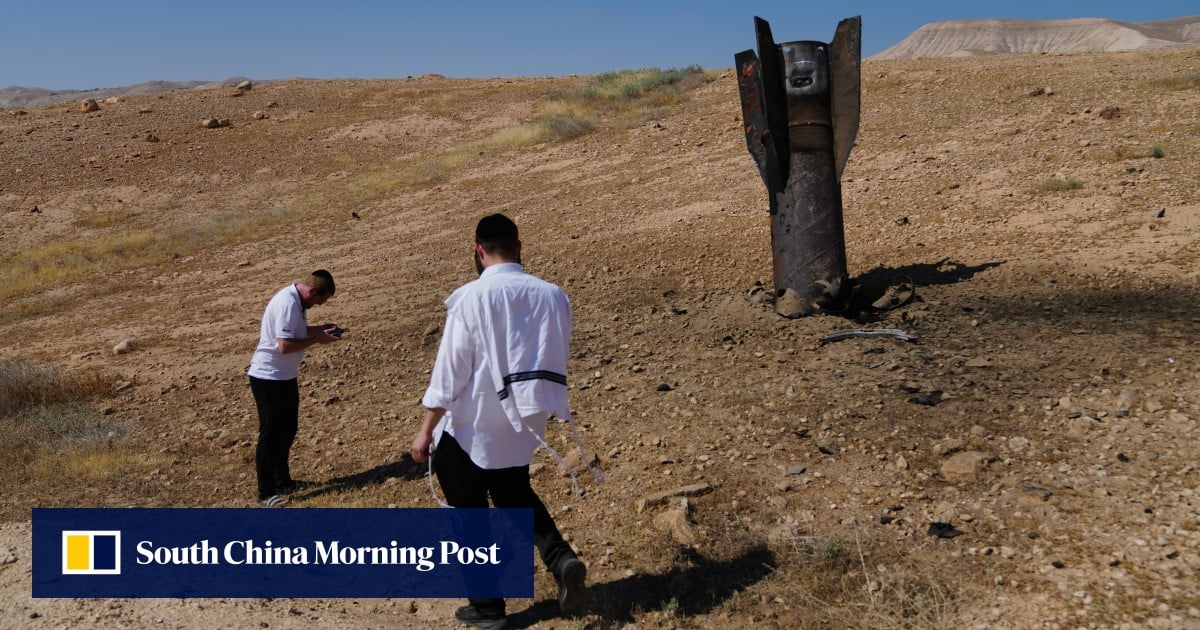
Israel and Iran appeared to stop firing on Monday after exchanging strikes for the first time since a US-backed ceasefire with Tehran two months earlier. The article says the renewed exchange revived fears that the region could slip back into a broader war.
Why the pause is fragile
The piece makes clear that neither side is claiming a durable settlement. The Iranian military’s joint command said it was stopping offensive strikes, but warned that further "aggression and hostile acts" by Israel and its supporters, including in southern Lebanon, would be answered with harsher measures. Benjamin Netanyahu also sounded conditional rather than conciliatory, saying Israel would respond with force if Iran attacked again.
Broader impact
The article links the conflict directly to the global economy. It says the war that began after US and Israeli strikes on Iran in late February has pushed up energy prices and made everyday goods more expensive. That is the wider risk here: even a short pause can calm markets, but any return to fighting would likely renew pressure on fuel costs, supply chains, and inflation.
Bottom line
This is less a peace deal than a temporary pause under threat. The article suggests the ceasefire remains unsteady and that the next move by either side could quickly reverse the calm.
Key points
- Israel and Iran traded fire again, then appeared to pause strikes hours later.
- Iran said it was halting offensive attacks but warned of tougher retaliation if Israel or its supporters kept acting aggressively.
- Netanyahu said Israel would respond with force if Iran attacked again.
- The article says the conflict has already shaken the global economy and raised energy prices.
- Officials have not yet turned the ceasefire into a permanent deal.
If the pause holds, it could reduce the risk of a wider war and give diplomats more time to keep the ceasefire from collapsing. That would also help calm oil and shipping markets that have been rattled by the fighting.
The ceasefire could fail quickly if either side decides the other has crossed a line. The article warns that renewed fighting would raise the risk of a broader regional war and further pressure energy prices and the global economy.