Israel Rejects Gaza Peace Plan, Insists on Hamas Disarmament
Israel has rejected a 15-point plan for a ceasefire in Gaza, insisting that it will not withdraw from the territory until Hamas is fully disarmed. The plan, proposed by the US-led Middle East peace initiative, aims to establish a Palestinian state in Gaza and the West Ban…
Intelligence analysis by Llama
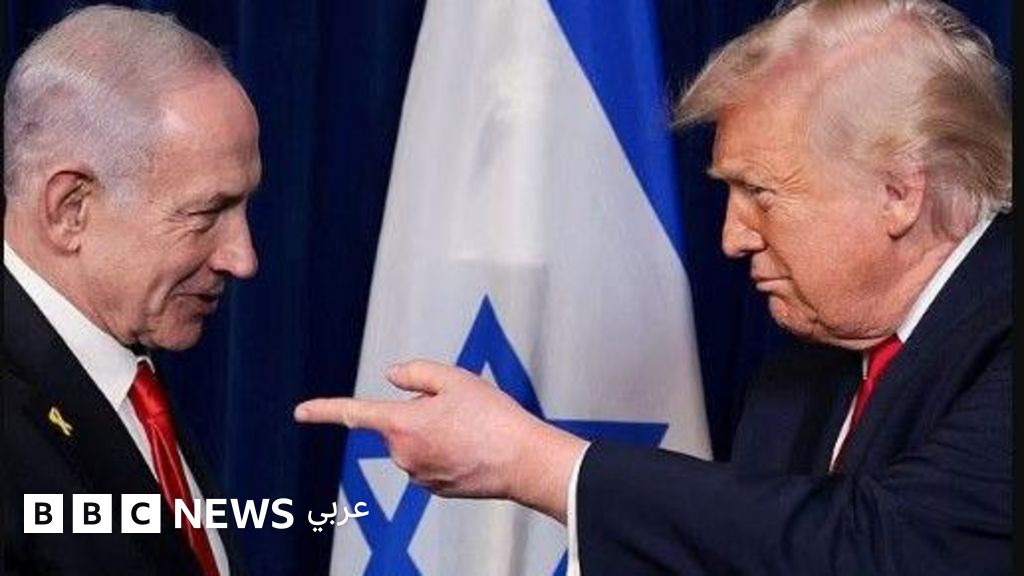
Israel has rejected a 15-point plan for a ceasefire in Gaza, insisting that it will not withdraw from the territory until Hamas is fully disarmed. The plan, proposed by the US-led Middle East peace initiative, aims to establish a Palestinian state in Gaza and the West Bank. However, Israel's Prime Minister Benjamin Netanyahu has refused to accept the plan, citing concerns over Hamas's…
Imagine you have a big argument with your neighbor, and you both want to live in peace. But your neighbor has a lot of guns, and you're worried they might use them against you. That's kind of like the situation between Israel and Hamas. Israel wants Hamas to give up its guns before they can live in peace. But Hamas says they won't give up their guns until Israel leaves their territory. It's a big problem, and it's hard to find a solution.
Analysis
Hamas Disarmament: A Key Condition for Israeli Withdrawal
Israel's rejection of the 15-point plan for a ceasefire in Gaza has been met with widespread criticism from the international community. The plan, proposed by the US-led Middle East peace initiative, aimed to establish a Palestinian state in Gaza and the West Bank. However, Israel's Prime Minister Benjamin Netanyahu has refused to accept the plan, citing concerns over Hamas's continued control of the territory.
Netanyahu has insisted that Israel will not withdraw from Gaza until Hamas is fully disarmed. This condition has been a major point of contention between Israel and Hamas, with the latter refusing to disarm until Israel withdraws from the territory.
The rejection of the peace plan has significant implications for the Middle East peace process, which has been stalled for years. The plan was seen as a crucial step towards establishing a Palestinian state, but Israel's refusal to accept it has raised concerns about the prospects for peace in the region.
The Role of the US in the Peace Process
The US has been a key player in the Middle East peace process, with President Donald Trump's administration having proposed the 15-point plan for a ceasefire in Gaza. However, the plan has been met with resistance from Israel, which has refused to accept it.
The US has been criticized for its handling of the peace process, with many accusing it of being too biased towards Israel. The rejection of the peace plan has further strained relations between the US and the Palestinian Authority, which has been a key player in the peace process.
The Future of the Peace Process
The rejection of the peace plan has raised concerns about the future of the Middle East peace process. The plan was seen as a crucial step towards establishing a Palestinian state, but Israel's refusal to accept it has raised doubts about the prospects for peace in the region.
The international community has called on Israel to accept the peace plan, but the country's refusal to do so has raised concerns about the future of the peace process. The situation remains uncertain, with many wondering what the future holds for the Middle East peace process.
Key points
- Israel has rejected a 15-point plan for a ceasefire in Gaza, insisting that it will not withdraw from the territory until Hamas is fully disarmed.
- The plan, proposed by the US-led Middle East peace initiative, aims to establish a Palestinian state in Gaza and the West Bank.
- However, Israel's Prime Minister Benjamin Netanyahu has refused to accept the plan, citing concerns over Hamas's continued control of the territory.
- The rejection of the peace plan has significant implications for the Middle East peace process, which has been stalled for years.
- The plan was seen as a crucial step towards establishing a Palestinian state, but Israel's refusal to accept it has raised concerns about the prospects for peace in the region.
If the peace plan is accepted, it could lead to a significant reduction in violence in the region. Israel and Hamas could begin to work together to establish a Palestinian state, and the international community could provide support and resources to help make it happen.
If the peace plan is rejected, it could lead to a further escalation of violence in the region. Israel and Hamas could continue to engage in a cycle of violence and retaliation, making it even harder to achieve peace.