Israel says pilot safe zones begin in southern Lebanon
The Israeli military said a pilot program for safe zones in southern Lebanon began on Monday in cooperation with the U.S. military and the Lebanese armed forces.
Intelligence analysis by Llama
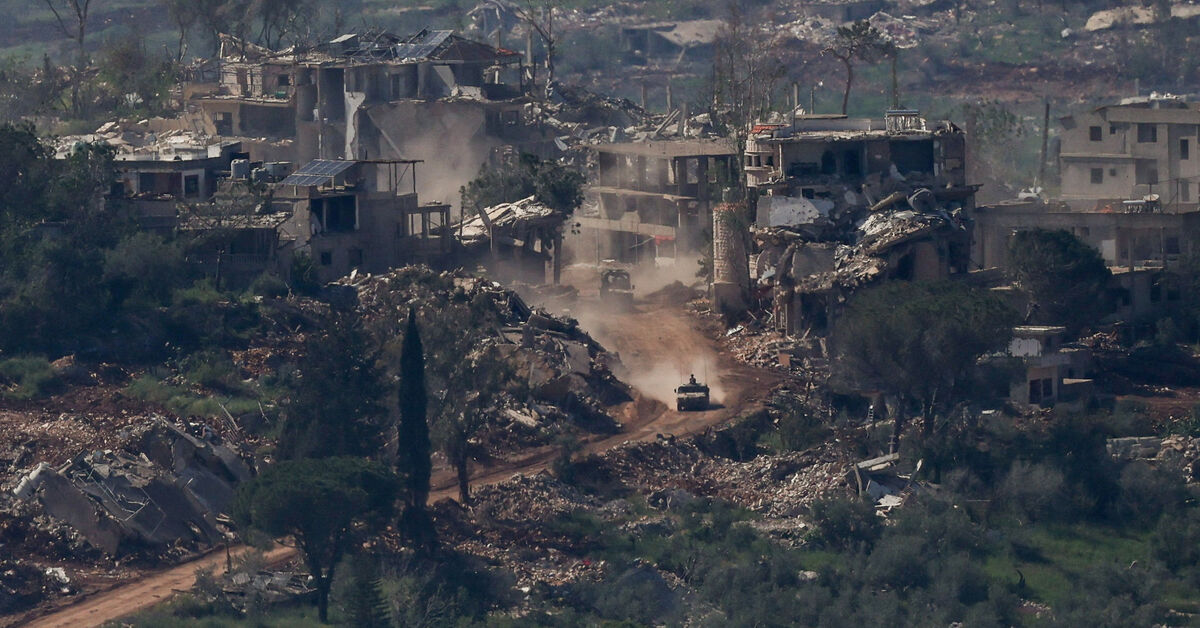
Israel has started a pilot program for safe zones in southern Lebanon in cooperation with the U.S. military and the Lebanese armed forces. The program aims to disarm Hezbollah, withdraw Israeli forces, and deploy Lebanese troops. The Israeli military has warned that it will respond forcefully to any violation.
Israel and Lebanon are working together to create safe zones in southern Lebanon. These zones will help to reduce tensions between the two countries and provide a framework for the disarmament of Hezbollah. The Israeli military has warned that it will respond forcefully to any violation of the agreement, and the Lebanese army is coordinating with the Military Coordination Group for Lebanon to begin deploying in the village of Zawtar al-Gharbiyeh after Israeli forces withdraw.
Analysis
A New Era of Cooperation in the Middle East
The pilot program for safe zones in southern Lebanon marks a significant step towards implementing a framework agreement between Israel and Lebanon. The agreement, brokered by the U.S., aims to disarm Hezbollah, withdraw Israeli forces, and deploy Lebanese troops. This development is a positive sign for the region, as it demonstrates a willingness by both countries to work together towards a common goal.
The Israeli military has warned that it will respond forcefully to any violation of the agreement. This is a clear indication that Israel is committed to enforcing the agreement and ensuring that the safe zones are implemented successfully. The Lebanese army has also stated that its units are continuing their missions in the southern villages of Froun and Srifa and are coordinating with the Military Coordination Group for Lebanon to begin deploying in the village of Zawtar al-Gharbiyeh after Israeli forces withdraw.
The implementation of the agreement will have significant implications for the region. It will help to reduce tensions between Israel and Lebanon, and will also provide a framework for the disarmament of Hezbollah. The agreement also provides an opportunity for the U.S. to demonstrate its commitment to the region and to play a key role in promoting peace and stability.
However, there are also challenges that need to be addressed. The agreement will require significant cooperation and coordination between Israel and Lebanon, and there is a risk that the implementation of the agreement may be delayed or even derailed. Additionally, there are concerns that the agreement may not be sufficient to address the underlying issues that have led to the conflict between Israel and Lebanon.
Overall, the pilot program for safe zones in southern Lebanon is a positive development for the region. It demonstrates a willingness by both countries to work together towards a common goal, and provides a framework for the disarmament of Hezbollah. However, there are also challenges that need to be addressed, and it remains to be seen whether the agreement will be implemented successfully.
Key points
- Israel has started a pilot program for safe zones in southern Lebanon in cooperation with the U.S. military and the Lebanese armed forces.
- The program aims to disarm Hezbollah, withdraw Israeli forces, and deploy Lebanese troops.
- The Israeli military has warned that it will respond forcefully to any violation of the agreement.
- The Lebanese army is coordinating with the Military Coordination Group for Lebanon to begin deploying in the village of Zawtar al-Gharbiyeh after Israeli forces withdraw.
If the pilot program for safe zones in southern Lebanon is successful, it could lead to a significant reduction in tensions between Israel and Lebanon. This could also provide a framework for the disarmament of Hezbollah, which would be a major step towards peace and stability in the region.
However, there are also challenges that need to be addressed. The agreement will require significant cooperation and coordination between Israel and Lebanon, and there is a risk that the implementation of the agreement may be delayed or even derailed. Additionally, there are concerns that the agreement may not be sufficient to address the underlying issues that have led to the conflict between Israel and Lebanon.