Israel strikes southern Lebanon but partial truce with Hezbollah appears to hold
Israeli strikes hit southern Lebanon after a partial truce, but Beirut was spared and the ceasefire appeared to hold.
Intelligence analysis by GPT-5.4 Mini
The article describes a fragile pause in fighting between Israel and Hezbollah that held off a full collapse, even as Israeli strikes in southern Lebanon killed and injured civilians and damaged a hospital. The truce appears partial and highly contingent on both sides sticking to the deal.
Two enemies agreed to stop hitting each other in some places, like agreeing not to throw balls at the school windows. But one side still threw rocks, and some buildings and people got hurt anyway, so the peace looks fragile.
Analysis
What happened
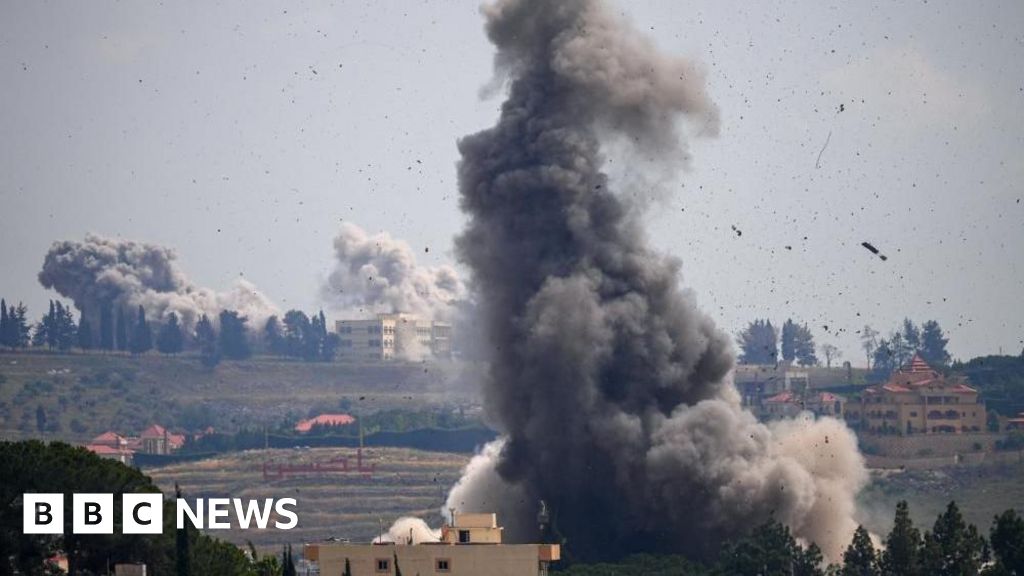
Israel kept striking targets in southern Lebanon on Tuesday, but did not bomb Beirut after a partial ceasefire arrangement was announced late Monday. Lebanon said the deal meant Israel would avoid hitting the capital if Hezbollah did not attack Israel.
The article says fighting did not stop entirely. The Israeli military reported intercepting two projectiles fired into northern Israel, while Hezbollah said it had attacked Israeli forces in southern Lebanon. That means the truce was not a clean end to hostilities, but rather a narrow attempt to limit escalation.
Civilian damage
The most vivid damage described was in Tyre, where air strikes hit buildings next to Jabal Amel hospital. Lebanon’s health ministry said four people were killed and 127 injured, including 39 hospital staff, with four in critical condition. The hospital itself was damaged, with broken glass, collapsed ceiling panels and damaged incubators.
The Israeli military said it struck "Hezbollah terrorist infrastructure" and said the hospital was not the intended target. It also accused Hezbollah of operating from civilian areas, though the article notes no evidence was provided in the text.
Why the truce looks fragile
The ceasefire rests on mutual restraint, but both sides quickly accused the other of violations. Israel issued evacuation warnings in Nabatieh and said it was forced to act against Hezbollah after what it called missile and drone attacks. Hezbollah said its fighters hit Israeli tanks and troops in several southern Lebanese towns.
The article presents a picture of a deal that may limit the war’s spread, but has not yet stopped violence on the ground. The immediate test is whether the partial truce can survive continued strikes, counterattacks and civilian pressure.
Key points
- Israel struck southern Lebanon on Tuesday but did not hit Beirut after a partial ceasefire announcement.
- The Lebanese health ministry said four people were killed and 127 injured in strikes near Jabal Amel hospital in Tyre.
- The Israeli military said it targeted Hezbollah infrastructure and said the hospital was not the intended target.
- Both Israel and Hezbollah accused each other of violating the new arrangement with fresh attacks.
- Civilian infrastructure, including a civil defense center and roads in Nabatieh, was also reported hit.
The partial truce could reduce the chance of a wider attack on Beirut if both sides keep to the agreement. If the restraint holds, it may give hospitals, residents and diplomats a brief window to breathe and negotiate.
The deal looks fragile because both sides already accused the other of breaking it. Continued strikes, projectiles and evacuation orders could quickly collapse the truce and spread the fighting further.