Israeli strikes kill 11 people in Gaza City, medics say
Israeli air strikes killed at least 11 people in Gaza City, including women and children, according to medics and witnesses. The attacks came despite the US-brokered ceasefire.
Intelligence analysis by GPT-5.4 Mini
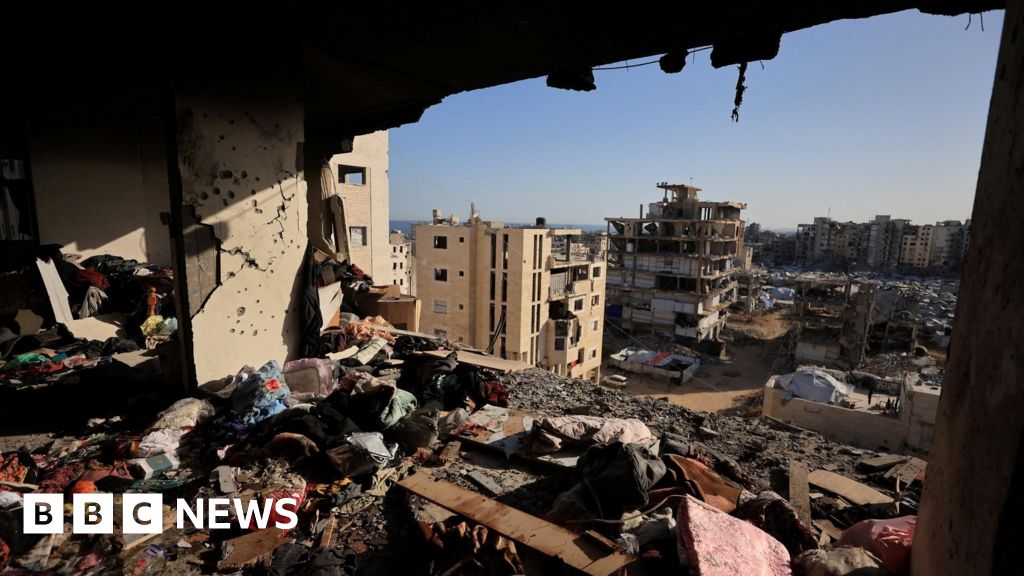
BBC reports that Israeli aircraft hit at least four residential buildings in Gaza City before dawn, killing at least 11 Palestinians and wounding dozens. The strikes, which included a reported hit on a Hamas commander, come amid accusations that Hamas is rebuilding and a ceasefire that has not stopped the violence.
This is like a fire alarm that never stops ringing: even after a truce was supposed to calm things down, bombs still hit homes in Gaza City. People were killed, hurt, and forced to run for safety.
Analysis
What happened
Medical sources and eyewitnesses told the BBC that Israeli air strikes hit several parts of Gaza City in the early hours of Thursday. At least four residential buildings were struck in Sheikh Radwan, Tel al-Hawa and Shati refugee camp. The reported death toll is at least 11, with women and children among the dead, and dozens more wounded.
Witnesses said they saw Israeli helicopters over Gaza City's coastline shortly before the strikes. Social media videos circulating after the attacks showed scenes of people trying to flee a building that was on fire in Shati camp. The BBC said there was no immediate comment from the Israeli military.
Wider context
One of the people reportedly killed was Hassan Labad, described as a Hamas commander in northern Gaza, along with his wife and three children. A spokesman for Hamas-run Civil Defence said the dead included two children with disabilities from the Labad family and three women.
The report says Israel has kept carrying out air strikes in Gaza despite the US-brokered ceasefire, arguing that Hamas is rearming and rebuilding its forces. According to the territory's Hamas-run health ministry, more than 940 people have been killed since the ceasefire began last October.
The article places these strikes inside a broader war that began after the Hamas-led attack on southern Israel on 7 October 2023, when about 1,200 people were killed and 251 were taken hostage. It also says Gaza's humanitarian situation is worsening, while Israel is reportedly planning to expand the area of land under its control.
Key points
- At least 11 Palestinians were killed in Israeli strikes across Gaza City, according to medics and eyewitnesses.
- The strikes hit residential buildings in Sheikh Radwan, Tel al-Hawa and Shati refugee camp.
- Witnesses said Israeli helicopters hovered over Gaza City's coastline before the attacks.
- The report says Israel has continued strikes despite a US-brokered ceasefire and accuses Hamas of rebuilding its forces.
- BBC says more than 940 people have been killed in Gaza since the ceasefire began last October, according to the Hamas-run health ministry.
If the ceasefire holds and the parties return to it, fewer air strikes could mean fewer civilian deaths and less damage to homes and hospitals. A real pause could also create room for aid and talks about preventing further escalation.
If Israel keeps striking Gaza despite the ceasefire, the violence could keep rising and the humanitarian crisis could deepen. Continued attacks and counterclaims about Hamas rearming could also make the ceasefire even harder to sustain.