Israel's court halts plan to use Nile crocodiles in Palestinian prison
A court in Israel has temporarily halted the implementation of a plan to use Nile crocodiles in a prison for Palestinian inmates. The plan, which was backed by Israel's national security minister, was intended to increase security measures and prevent escape attempts. How…
Intelligence analysis by Llama
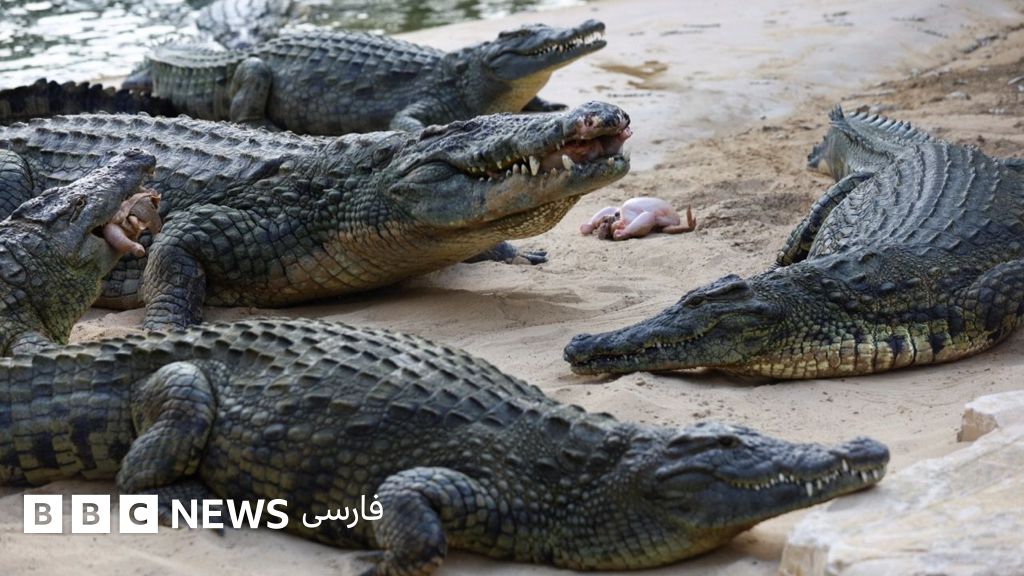
A court in Israel has temporarily halted a plan to use Nile crocodiles in a prison for Palestinian inmates, citing concerns over animal welfare and human rights. The plan was backed by Israel's national security minister, but animal rights groups have criticized it as inhumane.
Imagine you're in a prison and you see a big, scary crocodile. You wouldn't want to try to escape, right? That's what the Israeli government wanted to do with the Palestinian prisoners. They wanted to put crocodiles in the prison to scare them into not trying to escape. But animal rights groups said that's not a good idea because it's mean to the crocodiles and it's not safe for the prisoners.
Analysis
A Controversial Plan to Use Nile Crocodiles in a Prison for Palestinian Inmates
The plan to use Nile crocodiles in a prison for Palestinian inmates has been a topic of controversy in recent weeks. The plan, which was backed by Israel's national security minister, was intended to increase security measures and prevent escape attempts. However, animal rights groups have criticized the plan, saying it is inhumane and violates animal welfare laws.
The plan involves the use of Nile crocodiles in a prison for Palestinian inmates. The crocodiles would be used to deter escape attempts and to increase security measures. However, animal rights groups have raised concerns over the treatment of the crocodiles and the potential risks to human life.
The decision by the court to temporarily halt the plan is a significant development in the ongoing debate over the treatment of Palestinian prisoners in Israel. The plan has sparked controversy and raised concerns over human rights and animal welfare. The court's decision to halt the plan is a step in the right direction, but the issue is far from over.
The Implications of the Plan
The plan to use Nile crocodiles in a prison for Palestinian inmates has significant implications for human rights and animal welfare. The use of crocodiles as a means of deterring escape attempts raises concerns over the treatment of prisoners and the potential risks to human life. The plan also raises questions over the morality of using animals in such a way.
The decision by the court to temporarily halt the plan is a significant development in the ongoing debate over the treatment of Palestinian prisoners in Israel. The plan has sparked controversy and raised concerns over human rights and animal welfare. The court's decision to halt the plan is a step in the right direction, but the issue is far from over.
The Road Ahead
The decision by the court to temporarily halt the plan is a significant development in the ongoing debate over the treatment of Palestinian prisoners in Israel. The plan has sparked controversy and raised concerns over human rights and animal welfare. The court's decision to halt the plan is a step in the right direction, but the issue is far from over.
The court's decision to halt the plan is a significant development in the ongoing debate over the treatment of Palestinian prisoners in Israel. The plan has sparked controversy and raised concerns over human rights and animal welfare. The court's decision to halt the plan is a step in the right direction, but the issue is far from over.
Key points
- A court in Israel has temporarily halted the implementation of a plan to use Nile crocodiles in a prison for Palestinian inmates.
- The plan was backed by Israel's national security minister, but animal rights groups have criticized it as inhumane.
- The court's decision to halt the plan is a significant development in the ongoing debate over the treatment of Palestinian prisoners in Israel.
- The plan has sparked controversy and raised concerns over human rights and animal welfare.
- The court's decision to halt the plan is a step in the right direction, but the issue is far from over.
The court's decision to temporarily halt the plan is a positive step towards resolving the issue. It shows that the court is taking the concerns of animal rights groups seriously and is willing to consider the impact of the plan on human rights and animal welfare.
The plan to use Nile crocodiles in a prison for Palestinian inmates is a concerning development. It raises questions over the treatment of prisoners and the potential risks to human life. The decision by the court to temporarily halt the plan is a step in the right direction, but the issue is far from over.