It was either feed my animals or feed myself
A food bank in Wiltshire is running low on pet food, with some owners choosing to feed their animals before themselves due to financial struggles.
Intelligence analysis by Llama
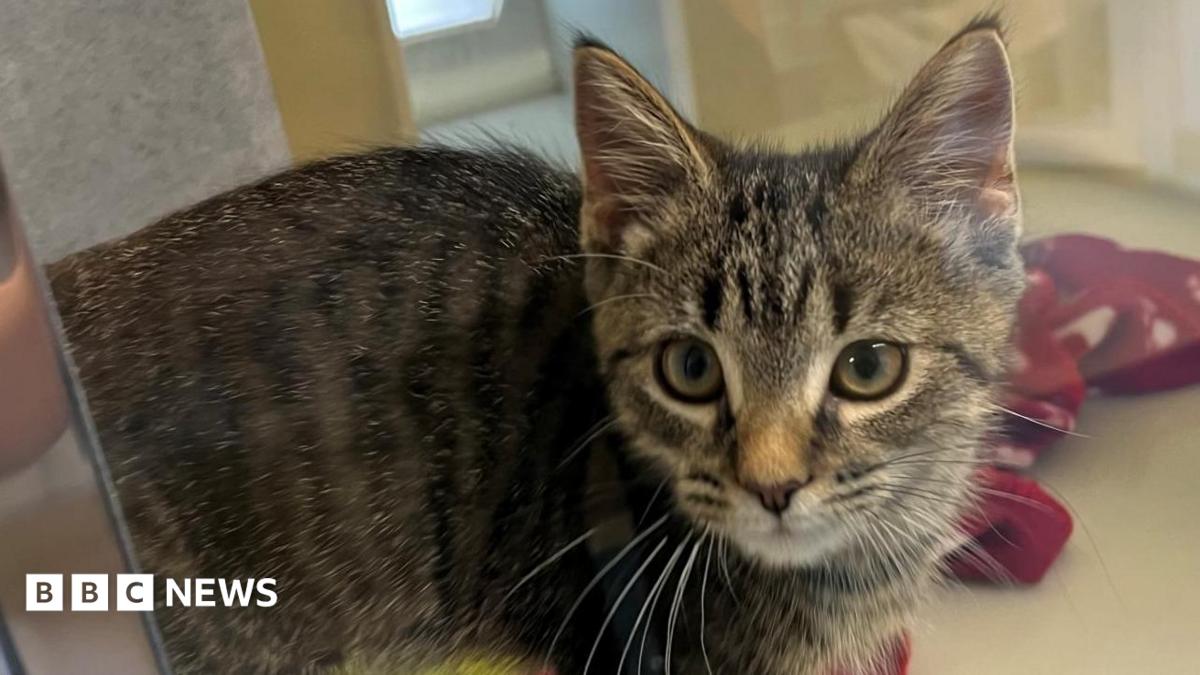
A food bank in Wiltshire is struggling to provide pet food, with some owners prioritizing their animals' needs over their own due to financial difficulties.
Some people are struggling to feed their pets because they can't afford it. Pet food banks help these people by providing food for their pets. But these banks are running low on food, and some owners are having to choose between feeding their pets or themselves.
Analysis
Pet Food Banks: A Vital Safety Net for Owners
The manager of a food bank in Wiltshire has reported a significant drop in donations of pet food over the summer, leaving some owners with a difficult choice: feed their animals or themselves. This is not an isolated incident, as pet food banks across the country are struggling to meet the demand for pet food.
The reasons behind this shortage are complex and multifaceted. One contributing factor is the rising cost of living, which has led to a decrease in donations of pet food. As Hayley Crymble, education and outreach manager at Bath Cats and Dogs Home, notes, 'Dog food is more expensive and for supporters when they're in supermarkets and they're maybe considering what they can afford to donate.'
Another factor is the increasing number of people relying on pet food banks. As Maria Stevenson, foodbank manager, points out, 'It's really important to make sure each family member receives some food.' However, with the cost of living crisis, many families are struggling to make ends meet, and pet food is often seen as a luxury they cannot afford.
The impact of this shortage is not just financial; it also has emotional and psychological consequences. As Vicky Bye, a pet owner who has benefited from a pet food bank, notes, 'It was either feed my animals, pay my electric bill or feed myself.' This is a stark reminder of the difficult choices that many pet owners are facing due to financial struggles.
The Human Impact of the Pet Food Shortage
The pet food shortage is not just a numbers game; it has a real human impact. As Vicky Bye's story illustrates, the shortage can lead to difficult choices and emotional distress. It is essential to recognize the importance of pet food banks in supporting vulnerable individuals and to address the root causes of the shortage.
The Way Forward
To address the pet food shortage, it is essential to increase donations of pet food and to provide support to pet food banks. This can be achieved through various means, such as fundraising campaigns, food drives, and partnerships with local businesses. Additionally, it is crucial to address the root causes of the shortage, including the rising cost of living and the increasing number of people relying on pet food banks.
By working together, we can ensure that pet owners and their animals receive the support they need during these challenging times.
Key points
- A food bank in Wiltshire is running low on pet food.
- Some owners are choosing to feed their animals before themselves due to financial struggles.
- Pet food banks are struggling to meet the demand for pet food.
- The rising cost of living and increasing number of people relying on pet food banks are contributing factors to the shortage.
If more people donate pet food and support pet food banks, it could help alleviate the shortage and ensure that pet owners and their animals receive the support they need.
If the shortage continues, it could lead to more pet owners having to choose between feeding their pets or themselves, which could have serious emotional and psychological consequences.