‘It’s absolutely criminal’: US tipping culture has reached the UK – and is causing chaos
US-style tipping culture is rapidly spreading across the UK, causing confusion and frustration among consumers who feel pressured to pay service charges in unexpected settings like coffee shops and pubs.
Intelligence analysis by Gemini 2.5 Flash
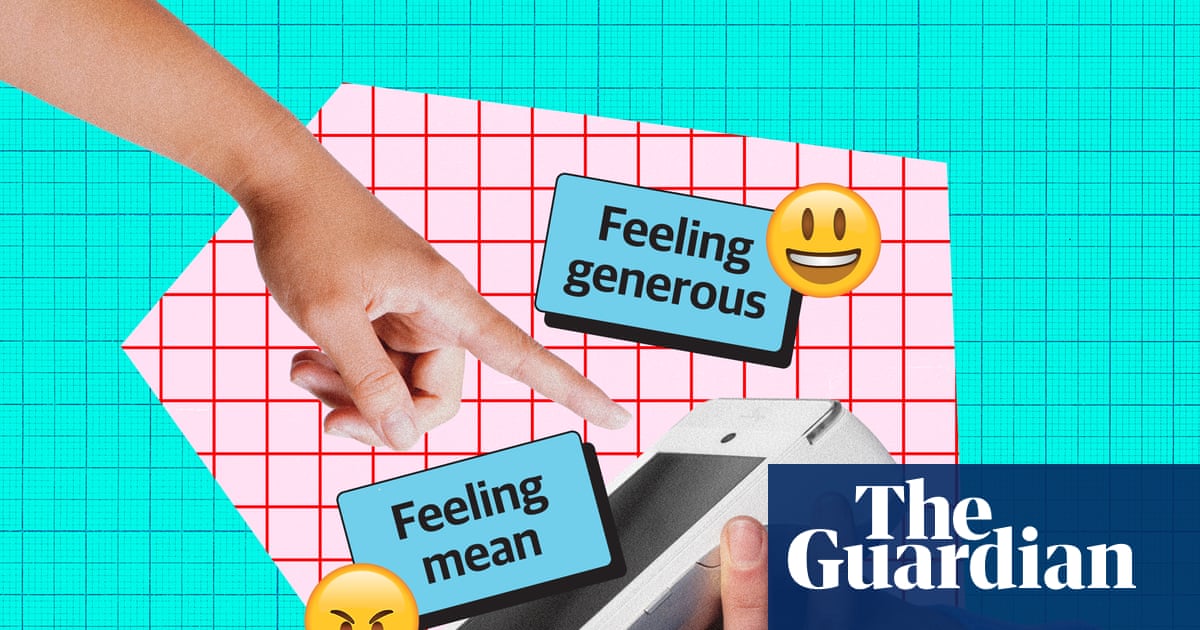
The shift towards digital payments and new legislation ensuring tips go to staff are driving a 'tip creep' in the UK, making 'optional' service charges feel obligatory. This trend, influenced by US tech and customs, helps hospitality businesses supplement low wages but leaves consumers feeling 'bullied' into higher payments.
Imagine you're buying a juice, and when you pay with a card, the machine suddenly asks if you want to give extra money, like a bonus, to the person serving you. This is happening more and more in the UK, making people feel a bit awkward or pressured, especially since it wasn't a big thing before. It helps the workers get more money, but it also means your juice ends up costing more than you expected, like when your friend asks for a share of your candy even if you didn't offer it.
Analysis
The UK's traditional tipping etiquette, typically a modest 10% in restaurants, is being rapidly reshaped by the influx of US-style practices, leading to widespread consumer anxiety and a sense of obligation. This cultural shift is not merely a matter of social custom but is deeply intertwined with economic and technological factors that are redefining transactions in the hospitality industry. The article highlights how digital payment systems, often originating from US tech companies, embed tipping prompts that influence consumer behavior, making it easier to tip but also increasing the likelihood of higher payments.
October 2024 Legislation
A significant driver behind the evolving tipping landscape is the legislation enacted in October 2024, which mandates that all service charges and tips in Great Britain must be passed directly to staff. This policy aims to boost the often-low salaries of hospitality workers, providing a more transparent and equitable system for tip distribution. For businesses, this legislation presents a dual benefit: it ensures staff receive their due while also offering a mechanism to supplement wages without directly increasing their own operational costs, particularly in the face of rising minimum wage and national insurance contributions. This effectively transfers some of the wage burden to the customer through service charges.
Professor John Vines
Professor John Vines, chair of design informatics at the University of Edinburgh, offers critical insights into the technological underpinnings of this 'tip creep'. He explains that the shift from cash to card and digital payments, while framed as reducing 'friction' and increasing convenience, is fundamentally designed to encourage greater spending. Point-of-sale terminals, often running software from US-based companies, present customers with pre-set tipping options, sometimes as high as 35%. This controlled choice architecture can make consumers feel pressured into selecting higher percentages, even in situations where tipping was not traditionally expected in the UK. Vines suggests that these systems, by importing US values and customs, inadvertently 'rewrite social expectations' and have significant long-term consequences on cultural norms.
London Centric
The news site London Centric's analysis underscores the economic rationale for businesses embracing these 'optional' service charges. By adding a service charge, businesses can avoid certain tax implications while simultaneously putting more money directly into the pockets of their staff. This strategy allows them to circumvent the need to raise menu prices, which might deter customers in a competitive market. However, the article questions the true 'optionality' of these charges, noting the social pressure exerted when a server hands over a card machine with an expectant look. This dynamic creates a minefield for consumers, who must navigate a complex and ever-changing set of unwritten rules around tipping, often feeling coerced into payments they might otherwise not make.
Key points
- US-style tipping culture, characterized by higher percentages and more frequent requests, is rapidly spreading across the UK.
- Digital payment systems and point-of-sale terminals are a primary driver, prompting customers for tips even in non-traditional tipping environments like coffee shops.
- New legislation from October 2024 mandates that all service charges and tips must go directly to staff, aiming to boost low wages.
- Hospitality businesses benefit by supplementing staff wages through tips, avoiding direct price increases and certain tax implications.
- Consumers often feel pressured by on-screen options and social cues to give tips, leading to a sense of being 'bullied' into higher payments.
The new legislation ensures that all service charges and tips go directly to staff, providing a much-needed boost to low wages in the hospitality sector. This could lead to better-compensated workers and potentially higher morale, without businesses having to significantly increase their base prices, which might otherwise deter customers.
Consumers are increasingly feeling pressured and 'bullied' into paying higher service charges, leading to frustration and resentment over increased costs for everyday purchases. This could erode trust between customers and hospitality businesses, potentially impacting customer loyalty and overall spending in the long run.