Japan Executes Man Who Killed Five in Pachinko Parlour Fire
Japan executes Sunao Takami, who killed five people in a pachinko parlour fire in 2009. The death sentence was carried out after a six-member jury and three-judge panel rejected the defense's argument of mental illness.
Intelligence analysis by Qwen 2.5 (3B)
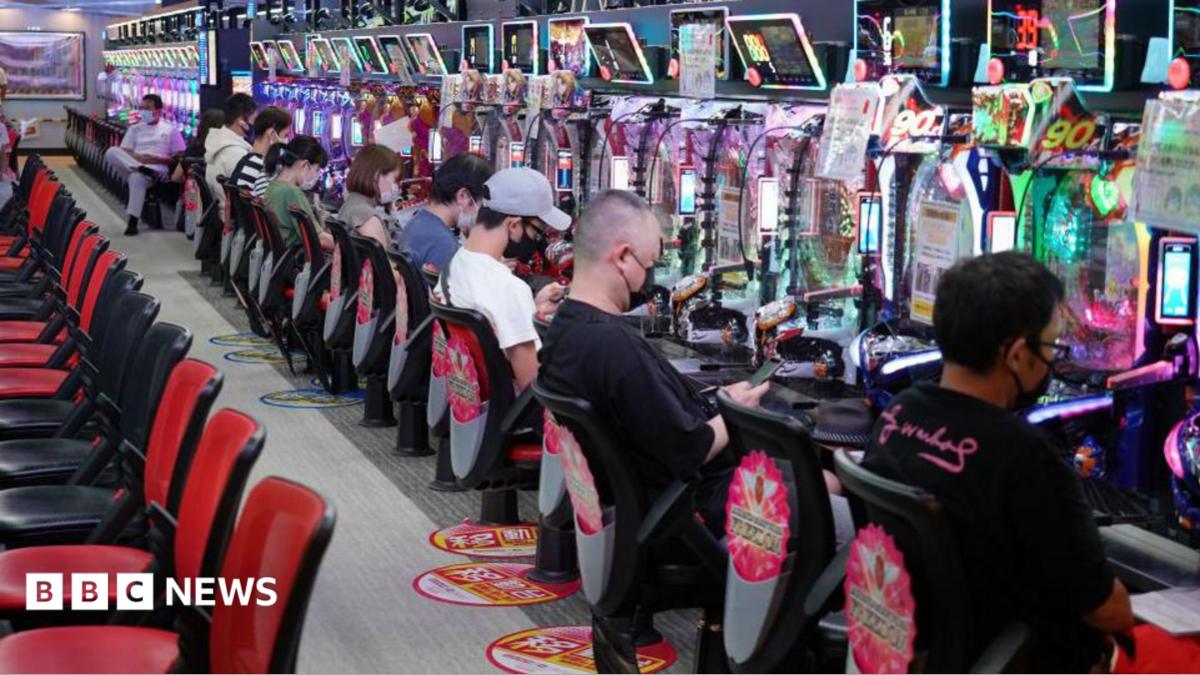
Japan has executed Sunao Takami for killing five people in a gaming parlour fire in 2009, marking the first execution under the Takaichi administration. The death penalty is still imposed in Japan, with strong public support but criticism from rights groups over conditions and transparency.
Japan put someone who started a fire at a place where people play games called pachinko on death row. They finally did it because he killed five people in that fire.
Analysis
{"#Takaichi Administration Execution":"- The Takaichi administration ordered Takami's execution after a thorough review. \n- This marks the first execution under this new leadership.\n- The death penalty is still used in Japan, with strong public support but criticism from human rights groups.","Public Sentiment on Capital Punishment":"- Surveys suggest there is strong public support for capital punishment in Japan.\n- However, critics argue that authorities leave death-row inmates in solitary confinement for long periods and lack transparency regarding execution dates.","Execution Process":"- Takami was sentenced to hang in 2011 after a trial process involving a jury and judges.\n- The Justice Minister Hiroshi Hiraguchi confirmed the execution order."}
Key points
- Japan executes Sunao Takami after a year-long hiatus
- Takami was sentenced to hang in 2011, but the execution was delayed due to legal challenges
- The death penalty is still used in Japan despite criticism from human rights groups
The execution may bring closure to victims' families and help deter future crimes, especially if the public supports capital punishment.
Critics argue that leaving death-row inmates in solitary confinement for long periods is unethical and lack of transparency about executions could lead to wrongful convictions or other abuses.