Japan PM Sanae Takaichi Shares Quirky Story of Clearing Cockroaches
Japan's Prime Minister Sanae Takaichi shared a viral social media post detailing her initial fear and subsequent compassion for cockroaches found in her official residence, Kotei. Despite her reluctance to harm them due to childhood manga inspiration, her secretary interv…
Intelligence analysis by Gemini 2.5 Flash
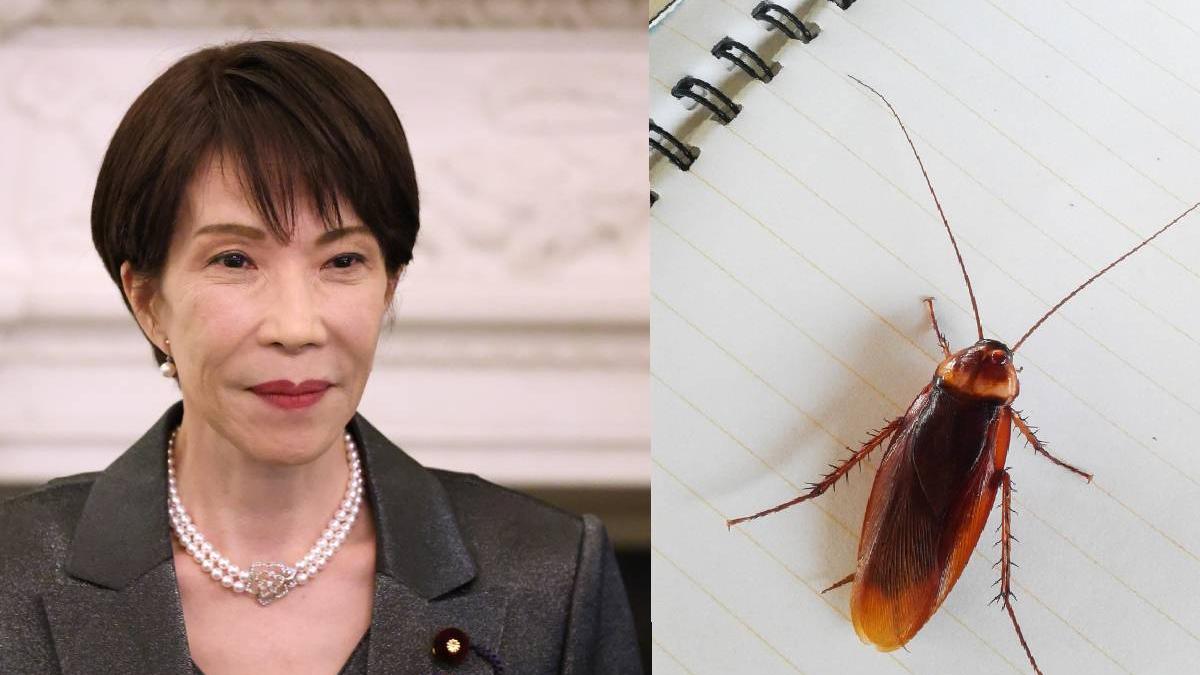
Japanese Prime Minister Sanae Takaichi revealed a personal anecdote about encountering cockroaches in her official residence, Kotei, a place rumored to be haunted. She humorously recounted her fear of the insects, contrasting it with her inability to kill them due to the philosophical influence of Osamu Tezuka's 'Firebird' manga. Her secretary ultimately resolved the infestation, lead…
Imagine a very important leader in Japan, like a principal of a big school. She lives in a special house, and people say it has ghosts! But she didn't see ghosts; instead, she saw tiny creepy crawlies called cockroaches. She felt scared but also didn't want to hurt them because a favorite cartoon book from her childhood taught her that all living things are part of a big circle of life. So, her helper had to get rid of them, and even though she was happy they were gone, she felt a little bit sad and lonely afterward.
Analysis
Japanese Prime Minister Sanae Takaichi's recent social media post offered a rare and candid glimpse into the personal experiences of a high-ranking political figure, moving beyond the usual discourse of policy and governance. Her humorous yet reflective account of encountering cockroaches in 'Kotei', the official Prime Minister's residence, resonated with many by highlighting the mundane realities that can coexist with immense power. This anecdote serves as a reminder that even leaders of major economic powers face everyday challenges, albeit within a unique context. The story also subtly underscores the isolation that can accompany such a demanding role, as Takaichi concluded her post by expressing feelings of sadness and loneliness after the pests were removed, suggesting a deeper emotional landscape beneath the public persona.
Sanae Takaichi
Sanae Takaichi, a prominent figure in Japanese politics, presented a surprisingly vulnerable side through her social media narrative. Her initial reaction of fear upon seeing the cockroaches, followed by an unexpected reluctance to harm them, painted a picture of a leader who is both human and influenced by personal values. This contrasts sharply with the often stoic and formal image associated with national leaders. Her admission of feeling lonely after the pests were gone suggests a profound sense of solitude that can accompany the highest office, where even the presence of an unwanted creature might break the monotony.
The Prime Minister's decision not to kill the cockroaches was rooted in a childhood influence, specifically Osamu Tezuka's 'Firebird' manga series. This detail reveals how deeply ingrained cultural and artistic works can shape an individual's ethical framework, even into adulthood and high office. It highlights a personal philosophy that values the cycle of life and reincarnation, extending compassion even to creatures typically considered pests. This personal conviction, however, clashed with the practicalities of maintaining a hygienic official residence, necessitating the intervention of her staff.
Kotei
The official residence, 'Kotei', has long been shrouded in local folklore, with persistent rumors of it being haunted. Takaichi's post playfully addressed these myths, confirming that while she hadn't encountered any spectral residents, the more tangible threat of cockroaches was very real. This juxtaposition of supernatural legend with a common household pest adds a layer of irony to the narrative, grounding the grand official residence in an everyday reality. The presence of pests, despite diligent cleaning efforts, underscores that even the most prestigious buildings are not immune to such issues.
The incident at Kotei also subtly touches upon the operational aspects of maintaining such a significant property. The swift and decisive action taken by Takaichi's secretary, planning an "Operation Combat" to eradicate the cockroaches, demonstrates the efficiency and dedication of the support staff surrounding a head of government. This behind-the-scenes glimpse into the practical management of the residence contrasts with its public image as a symbol of national power and prestige. The resolution of the pest problem, while a relief, ultimately left the Prime Minister with a sense of emptiness, further emphasizing the unique psychological environment of Kotei.
Osamu Tezuka
The influence of Osamu Tezuka's 'Firebird' manga series on Prime Minister Takaichi's decision-making is a fascinating cultural insight. Tezuka, often hailed as the "God of Manga," created 'Firebird' as a sprawling philosophical epic exploring themes of immortality, reincarnation, and the interconnectedness of all life. For a young Takaichi, this series instilled a deep respect for living creatures, making it difficult for her to intentionally end the life of even a cockroach. This demonstrates the profound impact that art and literature can have on shaping an individual's worldview from an early age.
The manga's central tenets, particularly its focus on the cycle of birth and death, provided Takaichi with a moral framework that extended compassion to all beings. This personal ethical stance, derived from a popular cultural work, illustrates the diverse sources of inspiration that can guide individuals, including those in positions of power. The anecdote serves as a testament to the enduring legacy of Tezuka's work and its ability to influence generations, even manifesting in unexpected ways within the highest echelons of government.
Key points
- Japanese Prime Minister Sanae Takaichi shared a social media post about encountering cockroaches in her official residence, Kotei.
- Despite Kotei's reputation for being haunted, Takaichi stated she only saw cockroaches, which initially scared her.
- She was reluctant to kill the insects, citing the philosophical influence of Osamu Tezuka's 'Firebird' manga from her childhood.
- Her secretary intervened to eliminate the pests, leading to Takaichi feeling relief mixed with unexpected sadness and loneliness.
- The anecdote offers a rare, humanizing glimpse into the private life of a high-ranking political figure.
This candid sharing by Prime Minister Takaichi could foster a more relatable image for political leaders, demonstrating their humanity and personal quirks. Such transparency might encourage public empathy and a deeper understanding of the pressures and isolation that can accompany high office, potentially bridging the gap between leaders and citizens.
While lighthearted, some might view the Prime Minister's anecdote as trivializing the serious responsibilities of her office, potentially distracting from more pressing national issues. The revelation of pests in an official residence, even if resolved, could also subtly raise questions about maintenance or operational standards, however minor.