Japan, UK, Italy eye Japanese factory to build fighter jet
Japan, the UK, and Italy are discussing the roles each will play in the design and manufacture of a next-generation fighter jet. The Japanese centre will be set up at Mitsubishi Heavy's Komaki South plant in Aichi Prefecture, central Japan, by the end of this year.
Intelligence analysis by Llama
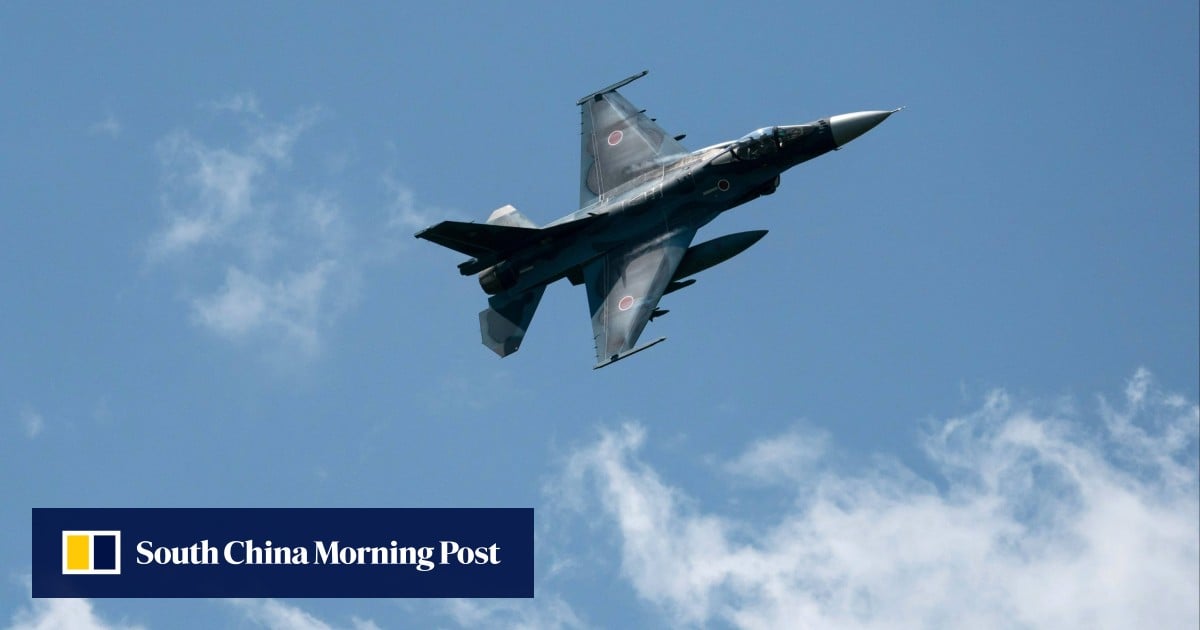
The three nations launched the Global Combat Air Program in 2022 to deploy the fighter jet from 2035, amid an increasingly tense global security environment. Britain will set up its centre in Warton, and Italy in Turin.
Imagine a super-fast and super-strong airplane that can protect countries from harm. That's what Japan, the UK, and Italy are working on together. They're building a new kind of fighter jet that will be able to fly really fast and do lots of cool things.
Analysis
A $60B Vote of Confidence
The Global Combat Air Program is a significant development in the field of military aviation, with Japan, the UK, and Italy coming together to develop a next-generation fighter jet. The program is expected to cost around $60 billion, making it one of the most expensive defense projects in history. The development of the fighter jet is a significant step in enhancing the security environment in the region, and its implications will be closely watched by other nations.
Why Cursor?
The three nations launched the program in 2022 to start deploying the fighter jet in 2035, amid an increasingly tense global security environment. The program is expected to be completed by the end of this decade, with the first batch of fighter jets expected to be delivered to the three nations by 2035. The development of the fighter jet is a significant step in enhancing the security environment in the region, and its implications will be closely watched by other nations.
The Road Ahead
The development of the next-generation fighter jet is a complex process that involves several stages, including design, testing, and production. The program is expected to be completed by the end of this decade, with the first batch of fighter jets expected to be delivered to the three nations by 2035. The development of the fighter jet is a significant step in enhancing the security environment in the region, and its implications will be closely watched by other nations.
Key points
- Japan, the UK, and Italy are developing a next-generation fighter jet as part of the Global Combat Air Program.
- The program is expected to cost around $60 billion and will be completed by the end of this decade.
- The first batch of fighter jets is expected to be delivered to the three nations by 2035.
- The development of the fighter jet is a significant step in enhancing the security environment in the region.
If the development of the next-generation fighter jet is successful, it could lead to improved security for the three nations involved, as well as other countries in the region. This could also lead to increased cooperation and collaboration between nations on defense and security issues.
However, the development of the next-generation fighter jet is a complex and expensive process, and there are risks associated with it. For example, the program could be delayed or cancelled due to technical or financial issues, which could have significant implications for the security environment in the region.