Jeremy Bowen: Trump Needs This War to End, but Iran Will Not Back Down
The U.S. and Iran are avoiding a return to war, but neither is willing to give ground. Talks continue through mediators as both sides keep military pressure in place.
Intelligence analysis by GPT-5.4 Mini
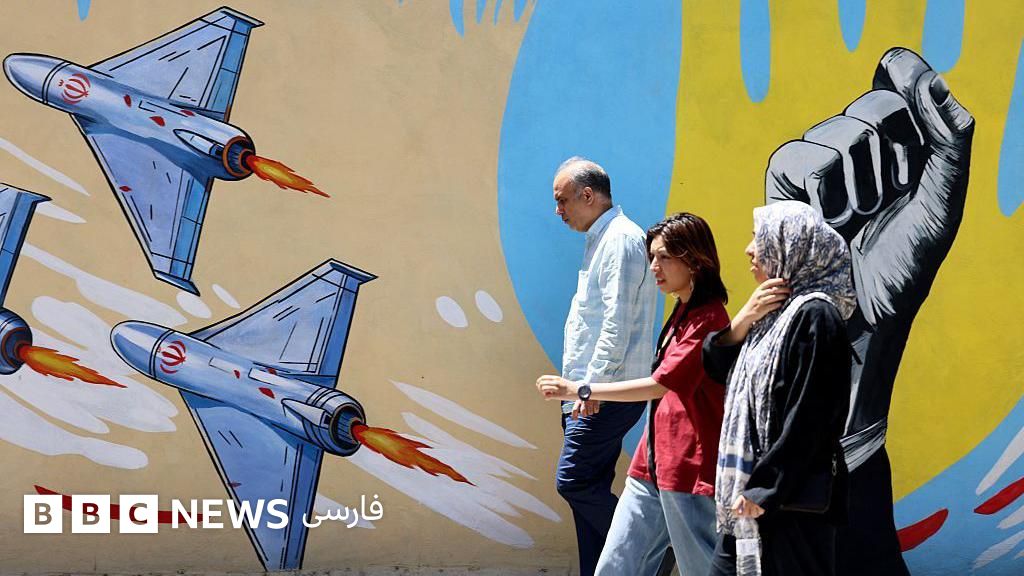
Bowen says Trump wants an end to the conflict, but Iran is using the ceasefire to regroup and refuses to retreat. The result is a tense stalemate around the Gulf, where each side is trying to force the other to blink without triggering a wider war.
It is like two kids standing on opposite sides of a rope bridge, each pretending not to be scared. One side wants the fight to end fast, but the other side will not give up its grip, so the whole bridge stays shaky.
Analysis
A fragile pause
Jeremy Bowen argues that the U.S. and Iran both prefer not to return to open war after the ceasefire announced on 8 April, but neither side is showing signs of backing down. The article says talks are still moving through mediators, including Pakistan, Qatar, and others, even as military pressure continues.
Pressure without resolution
Washington is keeping powerful naval and air forces positioned near Iran to maintain pressure and signal that it can still inflict serious damage. Iran, in turn, is said to be keeping its forces on alert and using the ceasefire to regroup and repair damage caused by U.S. and Israeli strikes. Bowen frames this as a high-risk period in which miscalculation or misunderstanding could easily trigger renewed conflict.
Hormuz as leverage
A central theme is the Strait of Hormuz, which the article says Iran closed after the 28 February U.S. and Israeli attack. Only a small number of ships are now passing through, and the broader world is losing access to roughly 20% of its usual oil and gas supply, plus other vital exports. The article says Saudi Arabia and the UAE can divert some exports through pipelines, but not enough to fully offset the disruption.
Trump's dilemma
Bowen writes that Trump is trapped by the consequences of what the article describes as a misjudgment: entering a war on the assumption that victory would be easy. The article says the president needs the conflict to end quickly, but any concessions Iran demands to reopen Hormuz would likely face resistance from hardliners in his own party and clash with his desire to present a win. Iran, meanwhile, appears willing to keep the pressure on, especially while Israel continues military action in the region.
Regional fallout
The piece also notes that Gulf Arab states want stability because their economies and long-term development plans depend on the Gulf being seen as safe for investment and trade. The war has damaged that image, and restoring it could take years.
Key points
- The U.S. and Iran are both trying to avoid a return to full-scale war, but neither is yielding in the talks.
- Mediator-led discussions are continuing, with Pakistan, Qatar, and others involved.
- The article says Iran is using the ceasefire to regroup while the U.S. keeps naval and air power near Iran.
- The Strait of Hormuz remains a major pressure point, with shipping sharply reduced and global energy flows disrupted.
- Trump faces domestic political limits on any deal that looks too much like the 2015 nuclear agreement.
If the ceasefire holds, the two sides could keep talks going and agree on a limited framework for further negotiations. A deal on reopening the Strait of Hormuz would also help reduce pressure on shipping, energy markets, and Gulf economies.
If either side misreads the other's moves, the ceasefire could collapse and fighting could resume. The article also suggests that concessions needed to reopen Hormuz could trigger resistance in Washington, while Iran says it will not back down under more attacks.