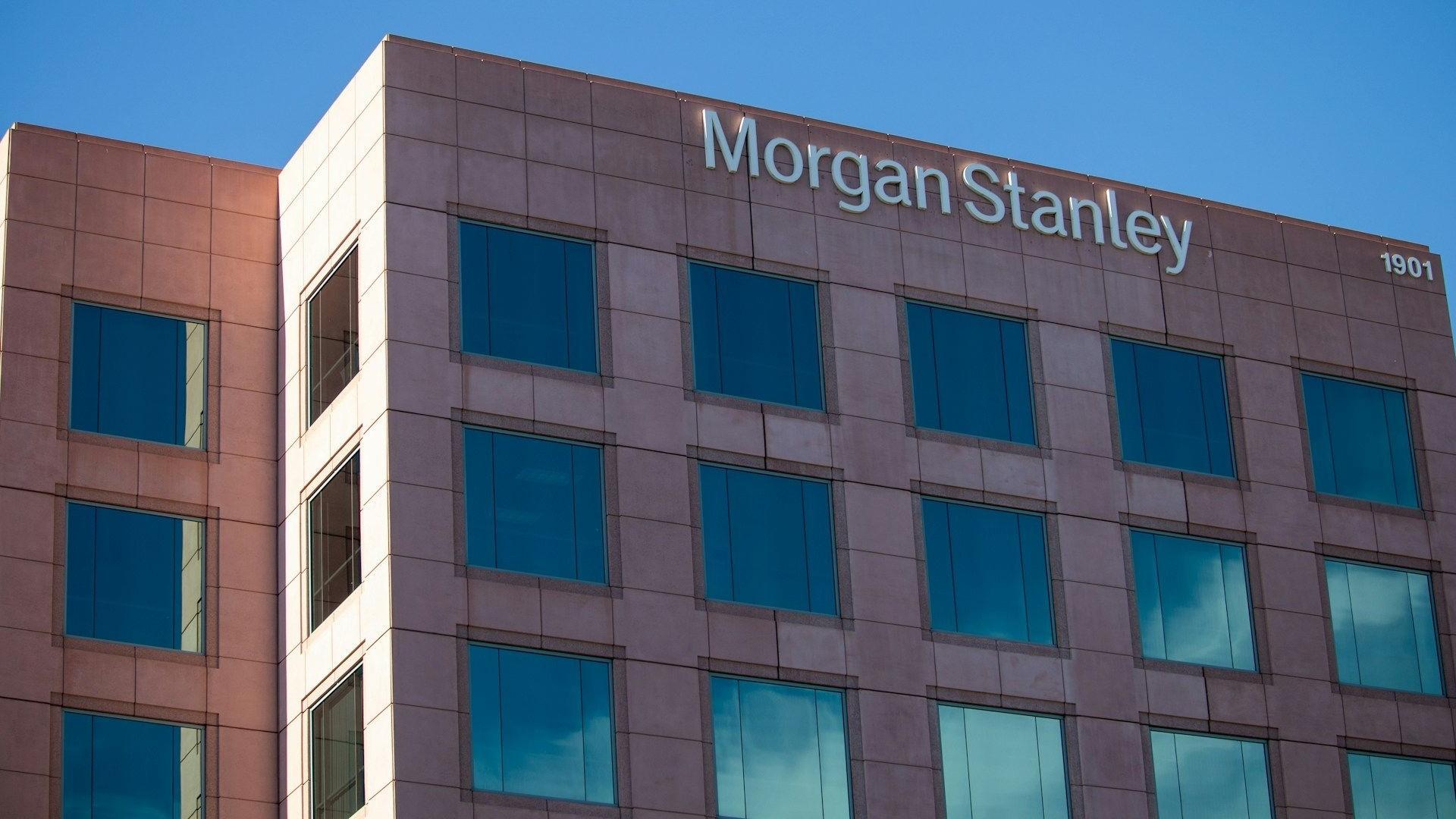
JPMorgan, Citi, Bank of America to Launch Tokenized Deposit Network in 2027: Report
The Clearing House plans a tokenized deposit network in early 2027 to bring bank deposits onto 24/7 digital rails.
Intelligence analysis by GPT-5.4 Mini

Large US banks are reportedly preparing a tokenized deposit network run by The Clearing House, aiming to connect traditional payment rails with digital asset infrastructure. The move is framed as a response to stablecoin competition and broader tokenization efforts across Wall Street.
Big banks want to build a new kind of digital checking-account system that works all day and night, like a train line that never stops. They hope it will be as fast as crypto money tools, but still stay inside the regular banking system.
Analysis
What the plan is
The Wall Street Journal report says some of the biggest US banks are planning to launch a tokenized deposit network in the first half of 2027. The system would be operated by The Clearing House, the bank-owned payments company that is co-owned by institutions including JPMorgan Chase, Bank of America, Citibank, Barclays, BNY and Wells Fargo.
Why banks want it
According to the article, the network is meant to connect traditional payment rails with digital asset infrastructure and support 24/7 settlement. That matters because tokenized deposits can offer speed and programmability similar to stablecoins, while still keeping funds inside regulated banking channels. The piece says the initiative comes as stablecoin companies expand into traditional finance.
Policy and market backdrop
The report places the project in the middle of an ongoing fight over crypto market structure. It notes that US banks have pushed back against legislation that could let stablecoin issuers pay yield to users, and cites JPMorgan CEO Jamie Dimon saying banks will continue to oppose the current version of the CLARITY Act. The article also says the bill still needs to pass both chambers of Congress and then reach President Donald Trump.
Broader trend
The story is not isolated. It says Wall Street has been accelerating tokenization efforts: NYSE has partnered with Securitize, Nasdaq received SEC approval for a tokenized-stock pilot, and ICE has discussed a tokenized securities venue. The article also points to a South Korean government pilot using tokenized deposits for spending, suggesting the idea is spreading beyond the US.
Key points
- The Clearing House plans to launch a tokenized deposit network in the first half of 2027, according to the report.
- The network would connect traditional payment rails with digital asset infrastructure and support 24/7 settlement.
- The initiative is a response to stablecoin companies entering traditional finance and competing for payment use cases.
- The article says US banks are also fighting parts of the CLARITY Act and oppose yield-bearing stablecoin products.
- Other Wall Street firms, including NYSE, Nasdaq and ICE, are also advancing tokenization plans.
If the plan works, banks could offer faster settlement and more programmable payments without pushing money outside regulated channels. That could make tokenized deposits a practical bridge between traditional finance and digital asset infrastructure.
The project could stall if banks fail to agree on standards, or if regulators and lawmakers reshape the rules around stablecoins and tokenized deposits. It may also struggle to compete with public blockchain rails if those remain easier to use or more widely adopted.