Judge casts doubt on future of WH Smith replacement TG Jones
A judge has cast doubt on the future prospects of TG Jones, the former WH Smith high street business, after approving a rescue plan that involves the closure of 150 stores. The plan, which was approved in July, has been met with scepticism by the judge, who has expressed …
Intelligence analysis by Llama
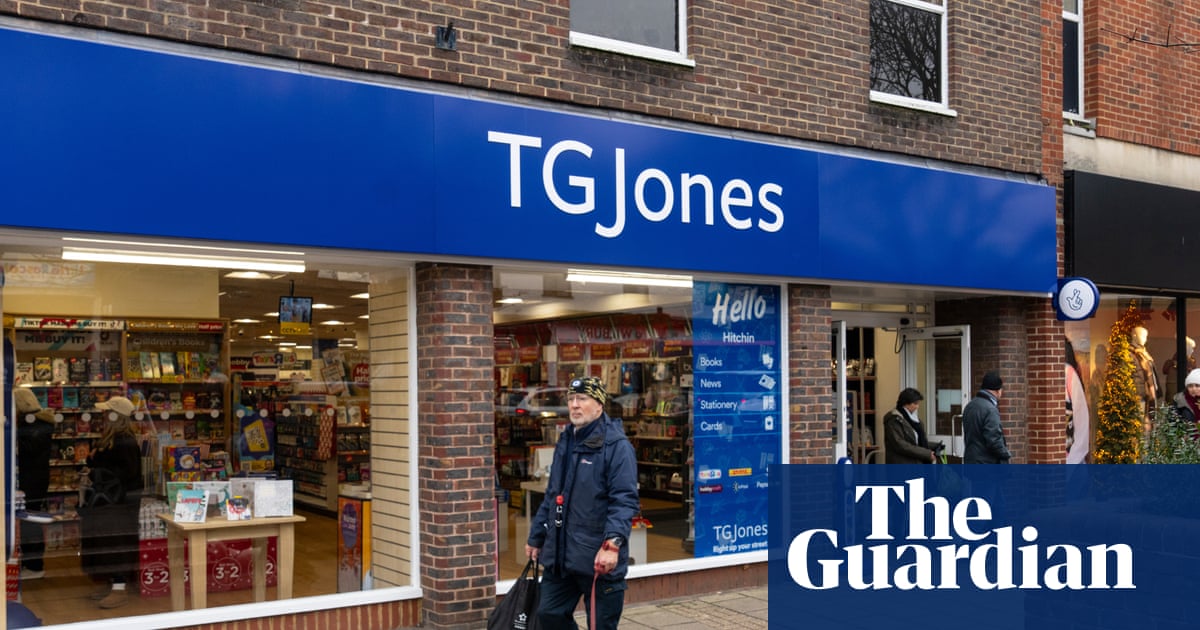
A judge has expressed doubts about the future prospects of TG Jones, the former WH Smith high street business, after approving a rescue plan that involves the closure of 150 stores. The plan, which was approved in July, has been met with scepticism by the judge, who has expressed concerns about the potential risks involved in achieving a turnaround.
A judge has expressed doubts about the future prospects of TG Jones, a former WH Smith high street business. The company's rescue plan, which involves the closure of 150 stores, has been met with scepticism by the judge, who has expressed concerns about the potential risks involved in achieving a turnaround. Think of it like a company trying to turn around a failing business. The judge is saying that the company's plan might not be enough to make it successful, and that there are many risks involved.
Analysis
A £3m Valuation and High Risks Ahead
The judge who approved a rescue plan for the former WH Smith high street business – now named TG Jones – cast doubt on the future prospects of the retailer, suggesting there were “very considerable” risks in achieving a turnaround. The £3m valuation of the company, compared with its acquisition value of about £40m only a year before, reflects the potential for high losses as well as high profits. The execution risk is very considerable, indicating that the company's turnaround plans might strike the sceptic as more in the nature of generic aspirations than concrete grounds for confidence in a successful outcome.
A Sceptical Judge
The judge who approved the rescue plan, Mr Justice Hildyard, has expressed concerns about the potential risks involved in achieving a turnaround. He wrote that the plan came with ‘very considerable’ risks and that the group's turnaround plans “might strike the sceptic as more in the nature of generic aspirations than concrete grounds for confidence in a successful outcome”. The judge's scepticism is not surprising, given the company's history of financial struggles and the fact that many classes of creditor who would lose money under the scheme rejected it.
A Rescue Plan with Uncertain Prospects
The rescue plan, which involves the closure of 150 stores, has been met with scepticism by the judge, who has expressed concerns about the potential risks involved in achieving a turnaround. The plan, which was approved in July, has been met with scepticism by the judge, who has expressed concerns about the potential risks involved in achieving a turnaround. The company's turnaround plans “might strike the sceptic as more in the nature of generic aspirations than concrete grounds for confidence in a successful outcome”, the judge wrote. The execution risk is very considerable, indicating that the company's turnaround plans might strike the sceptic as more in the nature of generic aspirations than concrete grounds for confidence in a successful outcome.
Key points
- The judge who approved a rescue plan for the former WH Smith high street business – now named TG Jones – cast doubt on the future prospects of the retailer.
- The £3m valuation of the company, compared with its acquisition value of about £40m only a year before, reflects the potential for high losses as well as high profits.
- The execution risk is very considerable, indicating that the company's turnaround plans might strike the sceptic as more in the nature of generic aspirations than concrete grounds for confidence in a successful outcome.
If the company's turnaround plan is successful, it could lead to a stronger and more sustainable business. The company's new investment and the approval of the rescue plan could help to turn the business around and make it more profitable.
If the company's turnaround plan fails, it could lead to a significant loss of jobs and a decline in the company's financial situation. The company's high debt levels and the potential for high losses make it a high-risk investment.