Judge dismisses Trump administration lawsuit alleging Harvard failed to protect Jewish students
A federal judge dismissed the Trump administration's lawsuit alleging Harvard University failed to protect students from antisemitism on campus. The lawsuit claimed that Harvard faculty and leadership 'turned a blind eye to antisemitism and discrimination against Jews and…
Intelligence analysis by Llama
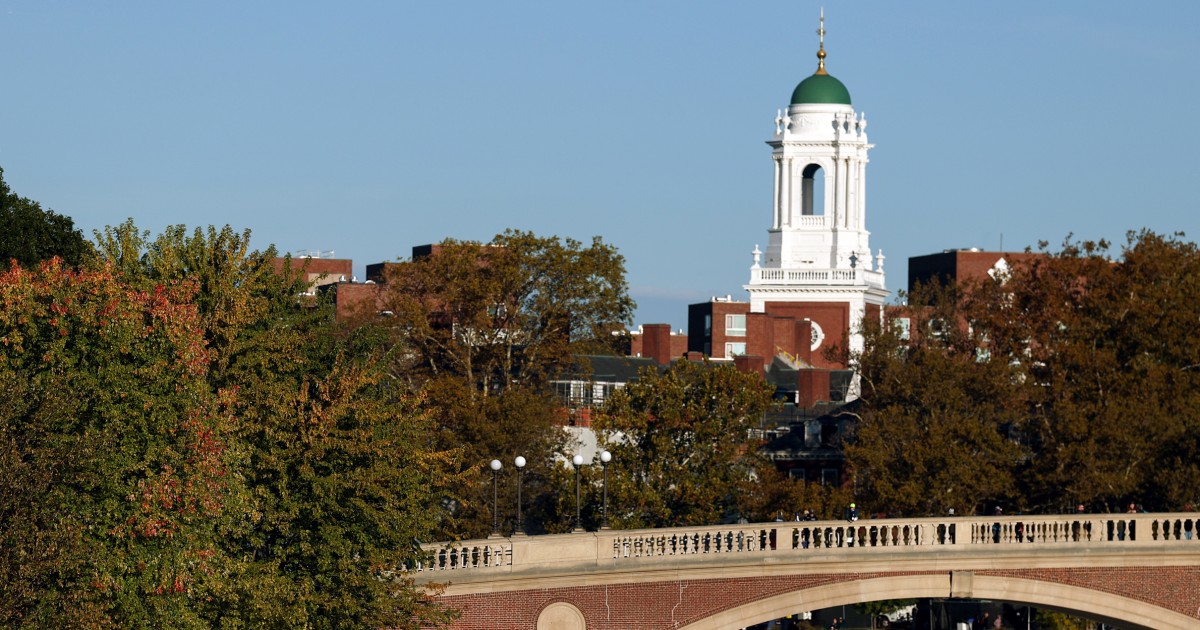
A federal judge dismissed the Trump administration's lawsuit against Harvard University, which alleged that the university failed to protect students from antisemitism on campus. The judge found that the administration's allegations were based on isolated incidents and did not plausibly show an ongoing violation of federal civil rights law.
Imagine you're a student at Harvard University, and you're worried about being bullied or excluded because of your Jewish or Israeli heritage. A federal judge just made a decision that might help make Harvard a safer and more inclusive place for you. The judge dismissed a lawsuit filed by the Trump administration that claimed Harvard wasn't doing enough to protect students from antisemitism. This means that Harvard doesn't have to worry about losing federal funding because of the lawsuit. But it's also a reminder that there's still work to be done to make sure everyone feels welcome and included at Harvard.
Analysis
Harvard's Response to Antisemitism Claims
Harvard University has consistently denied the claims of antisemitism and discrimination against Jews and Israelis. In a statement, the university condemned antisemitism and committed to ensuring that Jewish and Israeli students can learn and participate fully in campus life free from harassment or exclusion. The university's response highlights the importance of addressing antisemitism and promoting a culture of inclusivity on campus.
The Trump Administration's Motivations
The Trump administration's lawsuit against Harvard University was part of a broader campaign to overhaul major U.S. universities. The administration's motivations for filing the lawsuit are unclear, but it is likely that the lawsuit was intended to further the administration's agenda of reducing federal funding for higher education. The outcome of the lawsuit has significant implications for the future of higher education in the United States.
Implications for Higher Education
The outcome of the lawsuit has significant implications for the future of higher education in the United States. The Trump administration's lawsuit against Harvard University highlights the importance of addressing antisemitism and promoting a culture of inclusivity on campus. The lawsuit also raises questions about the role of the federal government in regulating higher education and the potential consequences of reducing federal funding for universities.
Key points
- A federal judge dismissed the Trump administration's lawsuit against Harvard University, which alleged that the university failed to protect students from antisemitism on campus.
- The judge found that the administration's allegations were based on isolated incidents and did not plausibly show an ongoing violation of federal civil rights law.
- Harvard University has consistently denied the claims of antisemitism and discrimination against Jews and Israelis.
- The Trump administration's lawsuit against Harvard University was part of a broader campaign to overhaul major U.S. universities.
The dismissal of the Trump administration's lawsuit against Harvard University is a positive development for the university and its students. It means that Harvard can continue to focus on providing a safe and inclusive environment for all students, regardless of their background or heritage. Additionally, the outcome of the lawsuit highlights the importance of addressing antisemitism and promoting a culture of inclusivity on campus.
The Trump administration's lawsuit against Harvard University was a divisive and contentious issue that highlighted the deep-seated tensions between the administration and the university. The outcome of the lawsuit may be seen as a victory for Harvard, but it also raises questions about the role of the federal government in regulating higher education and the potential consequences of reducing federal funding for universities.