Kalshi Eyes Perpetual Futures for XRP, Solana, Dogecoin—And These Altcoins
Kalshi filed to self-certify perpetual futures tied to 12 major altcoins after the CFTC's Bitcoin perps approval. The products are not automatically approved and would be reviewed case by case.
Intelligence analysis by GPT-5.4 Mini
Kalshi is moving quickly to bring perpetual futures on more crypto assets into a U.S. regulatory framework. The filing follows the CFTC's Bitcoin perps green light, but the agency said any broader approval would be handled case by case.
Kalshi is trying to make new kinds of crypto trading games for several big coins, not just Bitcoin. These games let people bet on price moves in a way that can keep going without a set ending time.
Think of it like a race track that never closes. Instead of one short race, the same race can keep running, and people can join or leave as the price changes.
The important part is that the government still has to check each one carefully. So Kalshi is opening the door, but the door does not swing all the way open by itself.
Analysis
What happened
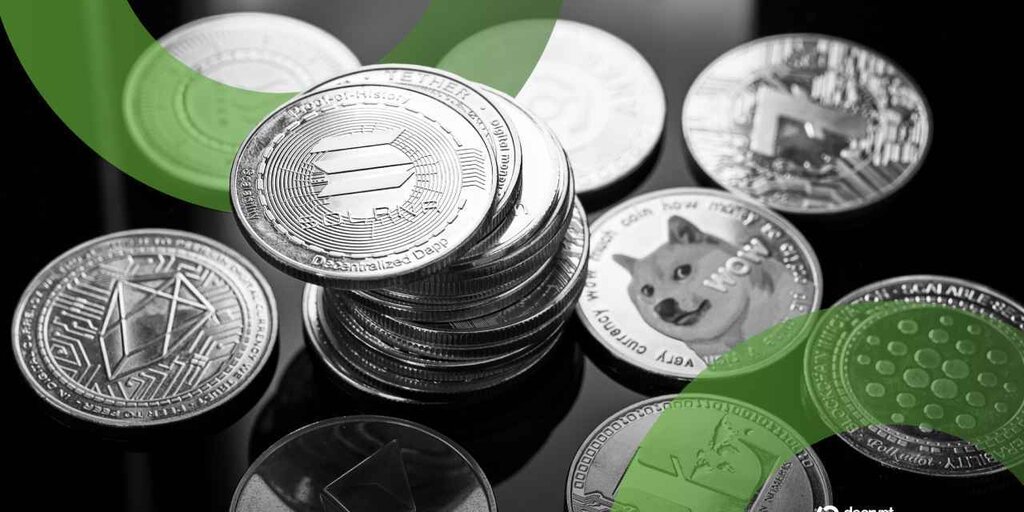
Kalshi moved to self-certify a set of derivatives tied to 12 major altcoins, including XRP, Solana, Dogecoin, and others mentioned in the headline. The filing came soon after the CFTC approved Bitcoin perpetual futures, which gave the market a fresh opening to test similar products.
What the article says
The piece says the CFTC made clear that perpetual futures would be handled on a case-by-case basis, so Kalshi's filing was not immediately approved just because Bitcoin perps got the green light. In other words, the company is trying to establish an early position in what may become a regulated U.S. market for perpetual-style crypto derivatives.
The article also frames the move against the scale of existing crypto derivatives activity. Bitcoin is described as the anchor of the market with nearly $55 billion in open interest, while Ethereum has about $31.5 billion, Solana about $5.5 billion, and XRP about $3 billion. That context helps explain why a venue like Kalshi would look beyond Bitcoin: the demand for trading exposure is already concentrated in several large altcoins.
Why it matters
If the filing succeeds, it could give U.S. traders more regulated ways to trade high-demand crypto assets with perpetual-futures style exposure. If it does not, the episode still shows how quickly firms are trying to respond to the CFTC's signal that this market may open in stages rather than all at once.
Key points
- Kalshi filed to self-certify perpetual futures tied to 12 major altcoins.
- The move followed the CFTC's Bitcoin perpetual futures approval on Friday.
- The CFTC said perpetual futures would be approved on a case-by-case basis.
- The article points to large existing open interest in Bitcoin, Ethereum, Solana, and XRP.
- The filing is an early attempt to define a regulated U.S. market for altcoin perps.
If regulators allow the contracts, Kalshi could give U.S. traders a new regulated route into altcoin derivatives. That would expand access beyond Bitcoin and could draw more activity into XRP, Solana, Dogecoin, and other major tokens. The filing also suggests demand may be strong enough to justify broader product coverage, especially in markets that already show billions in open interest.
The CFTC's case-by-case approach means Kalshi may not get approval for the full slate, or may face delays before any launch. If that happens, the filing becomes more of a signal of intent than a near-term product rollout. Even if some contracts clear, the market may stay concentrated in a few large names, leaving the rest of the altcoin set with limited traction.