Karnataka bandh called off after Kannada activists meet CM DK Shivakumar
Kannada activists withdrew their bandh call after meeting DK Shivakumar, easing protests over the Cauvery dispute as the Assembly session began.
Intelligence analysis by GPT-5.4 Mini

The bandh was called off after talks with the deputy chief minister, but the story shows how quickly Cauvery tensions can spill into state politics. Protests in Mandya and heavier police deployment underline that the dispute still has real street-level force.
A group planned to stop normal life to protest over river water, like pressing a giant pause button. After meeting the deputy chief minister, they canceled it, but the water argument is still not fully solved.
Analysis
Cauvery
The article shows how the Cauvery dispute remains more than a water-management issue in Karnataka. It is also a pressure point that can quickly turn into a public protest, forcing the government to respond in real time.
What stands out here is the timing. The bandh call was withdrawn after Kannada activists met DK Shivakumar on the first day of the Assembly session, which suggests that street pressure and legislative politics are still tightly linked. The article does not describe any formal settlement, so the decision looks like a pause rather than a resolution.
The larger conflict is still the same one the article outlines: Karnataka wants enough water for its own drinking and irrigation needs, while Tamil Nadu depends on the river for farming. That basic mismatch is why the dispute keeps resurfacing whenever rainfall is poor or reservoirs fall.
Mandya
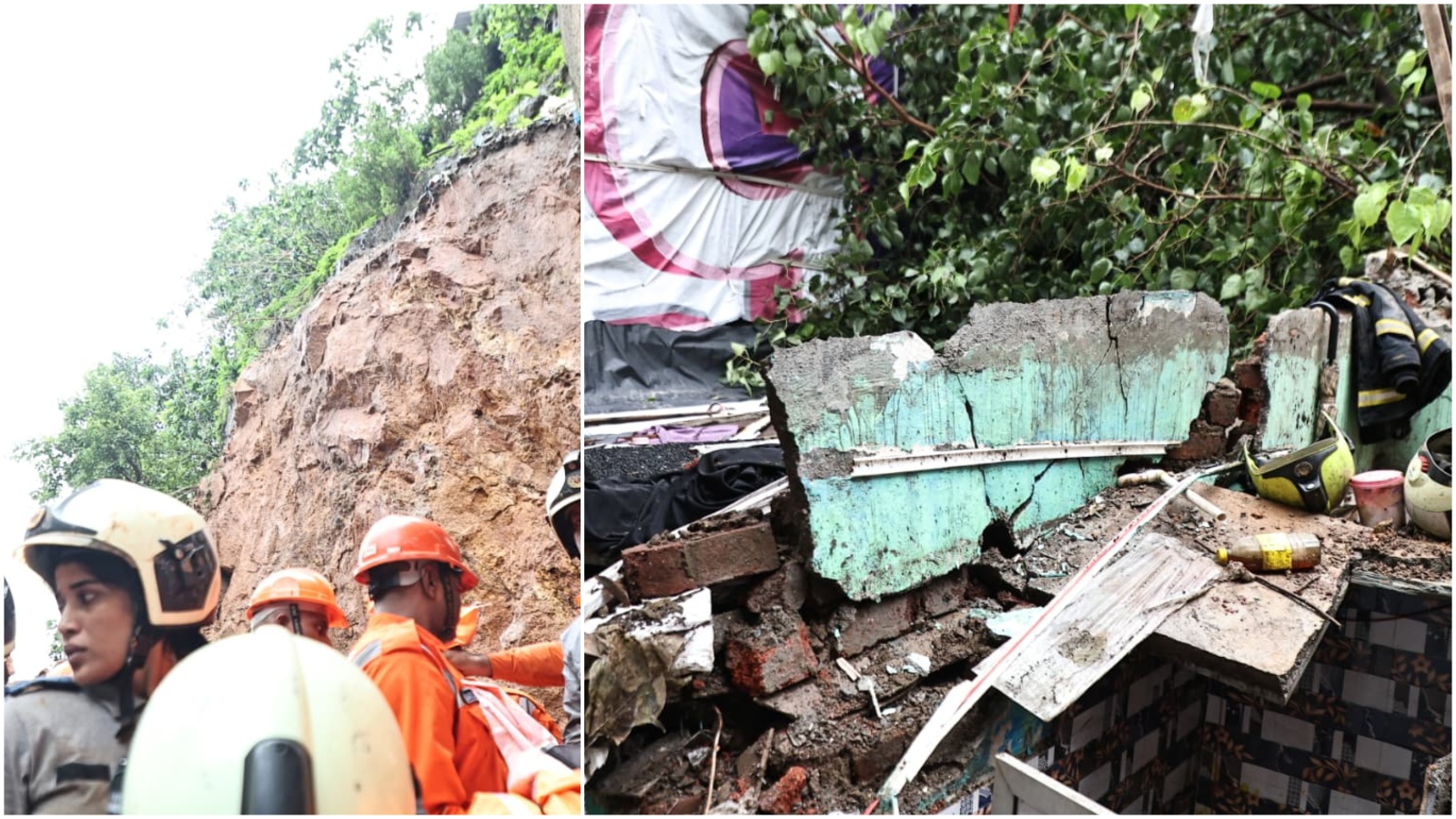
Mandya is the place where the tension in the article feels most immediate. The report says protests were seen there, and security was increased in the district, which indicates that authorities treated the bandh as a genuine law-and-order risk.
That matters because it shows the dispute is not only a debate among politicians and activists. It can affect movement, commerce, and the sense of normal life in districts that sit closest to the conflict and its emotions.
The article also says normal life was largely unaffected in Bengaluru and Mysuru, which points to a mixed response on the ground. In other words, the bandh had symbolic force even if it did not fully shut down the state.
Mekedatu
The activists’ stated concerns were not only about opposing water release to Tamil Nadu. They wanted steps to protect Karnataka’s water needs, including progress on the proposed Mekedatu project and stronger storage and supply infrastructure.
That makes the bandh withdrawal politically interesting. It suggests that the government may have bought time by talking to the groups, but the core demands are still hanging over the administration. If those demands remain unanswered, the same coalition of farmers and Kannada organisations could return to protest mode.
The Assembly session gives the government a channel to absorb some of that pressure, but it does not remove the structural problem. The article frames Cauvery as a long-running dispute handled by courts and the Cauvery Water Management Authority, which means the state can manage the temperature, yet not fully control the outcome.
Key points
- Kannada activists withdrew their bandh call after meeting DK Shivakumar.
- The protest was tied to the Cauvery water-sharing dispute with Tamil Nadu.
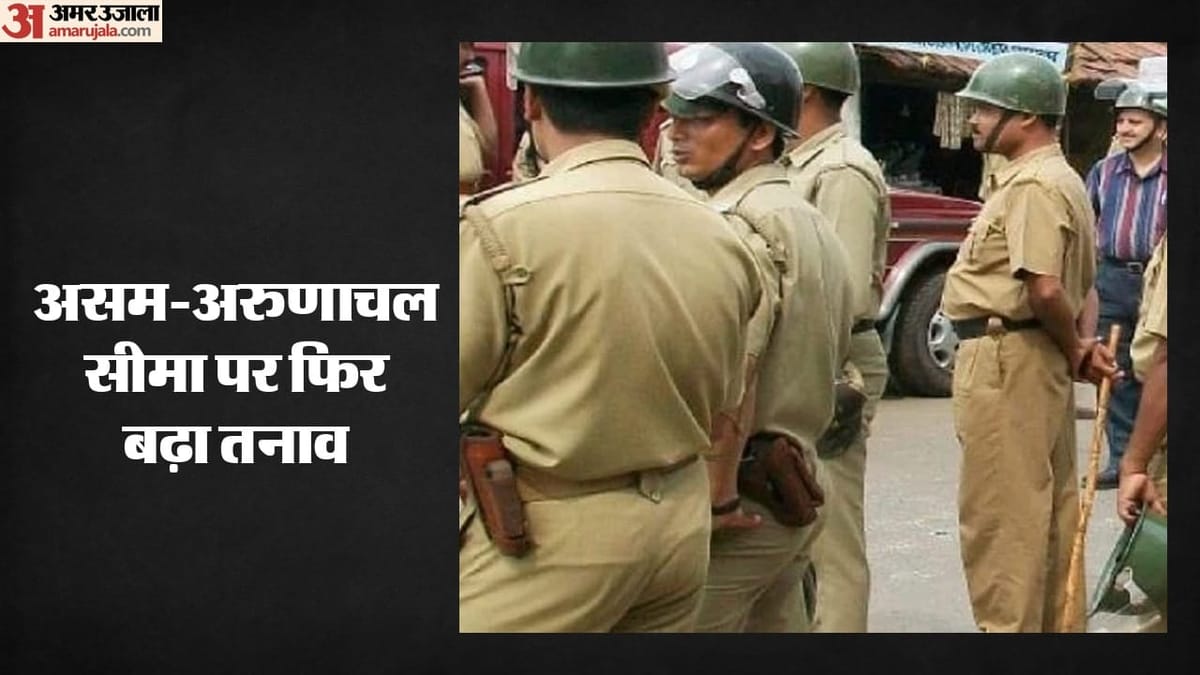
- Security was stepped up in Mandya, where protests were reported.
- The activists said they were not against sharing water, but wanted Karnataka's needs protected.
- They also pressed for progress on Mekedatu and stronger water infrastructure.
The talks may keep the Cauvery dispute inside formal politics instead of on the streets. If the bandh stays off, daily life in major cities can remain stable while the government handles the issue through the Assembly and official channels.
The underlying water dispute is still unresolved, and the article says tensions rise when rainfall is low. If the activists feel their demands on water security or Mekedatu are ignored, protests could return and security pressure could rise again.