Kuwaiti and Bahraini Newspapers: Iran's Regional Influence is Declining
Kuwaiti and Bahraini newspapers have strongly condemned recent Iranian attacks on Kuwait and Jordan, accusing Tehran of pursuing a hostile regional agenda. Commentators in both countries assert that Iran's influence across the Middle East is diminishing, calling for a re-…
Intelligence analysis by Gemini 2.5 Flash
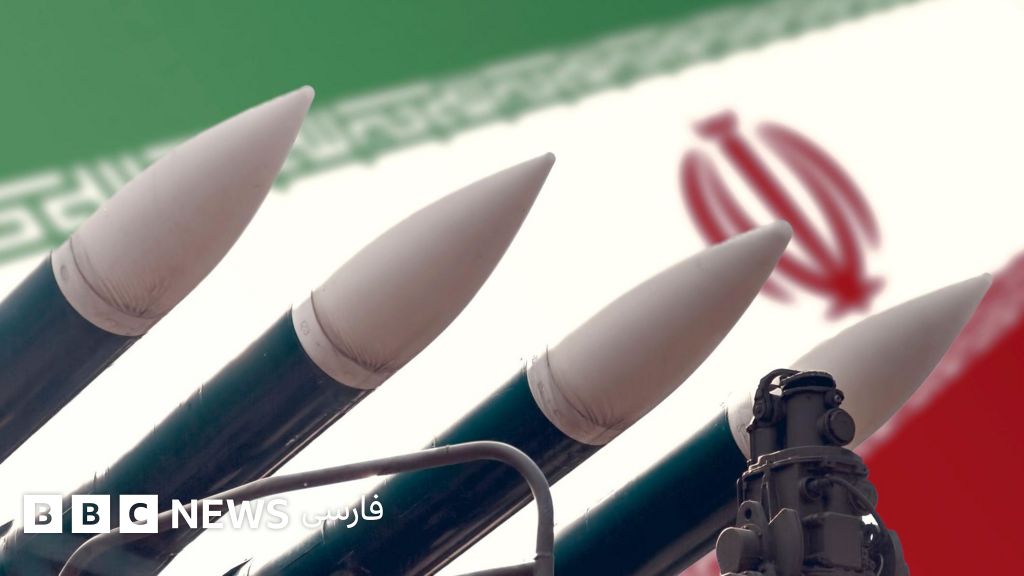
Following recent Iranian attacks that targeted Kuwait and Jordan, sparking alarms in Bahrain, media outlets in Kuwait and Bahrain have vociferously criticized Iran. They portray these actions as a dangerous escalation and a violation of sovereignty, with several commentators arguing that Iran's regional power is waning and advocating for a fundamental shift in relations.
Imagine Iran is like a big kid in the neighborhood who keeps throwing rocks at other kids' houses, like Kuwait and Bahrain. The newspapers in Kuwait and Bahrain are really mad and saying, "Hey, this big kid's not as strong as he thinks, and we need to stop being friends with him!" They think Iran's power is actually getting smaller, and they want everyone to stand up to him.
Analysis
Escalating Tensions and Regional Condemnation
The recent Iranian attacks, which reportedly targeted locations in Kuwait and Jordan and triggered alarms in Bahrain, have ignited a firestorm of condemnation from Kuwaiti and Bahraini media. Newspapers in both nations have uniformly denounced these actions as dangerous escalations and direct threats to Gulf security and regional stability. This media outcry reflects a broader public anger and a growing sentiment that Iran is pursuing an aggressive and hostile agenda in the Middle East.
The coverage emphasizes a perceived violation of sovereignty and a disregard for international norms, further straining already tense relations between Iran and its Gulf neighbors. Commentators have linked these specific attacks to Iran's wider regional policies, suggesting they are symptomatic of a broader pattern of destabilizing behavior. The strong language used in headlines, such as "Drones of Evil Continue to Target Kuwait" and "Iran's Shameful Attack Against Kuwait Continues," underscores the depth of resentment and fear these incidents have generated. This unified front from Kuwaiti and Bahraini press signals a significant hardening of attitudes towards Tehran, moving beyond mere diplomatic protests to a more fundamental questioning of Iran's role in the region.
The Narrative of Declining Iranian Influence
A central theme emerging from the Kuwaiti and Bahraini press is the assertion that Iran's regional influence is on the wane. Several prominent writers have argued that Tehran's power projection is diminishing across the Middle East. Mohammed Al-Maqate' of Kuwait's Al-Jarida newspaper, for instance, explicitly stated that Iran's presence in Syria is "practically ended" and its influence in Lebanon appears to be following a similar trajectory.
He also claimed that Iran's role in expanding influence over Gulf countries is declining, drawing a parallel to the "Zionist entity." This perspective suggests that Iran's aggressive tactics are backfiring, leading to a reduction rather than an expansion of its strategic reach. The article highlights a growing belief that Iran's long-standing regional strategy, often characterized by support for proxy groups and direct military actions, is becoming unsustainable. The idea that the Strait of Hormuz could become an "existential trap for Iran" and "the final nail in the coffin" of the 1979 revolution, as argued by Sayed Zia Mousavi in Al-Bilad, reflects a profound skepticism about the long-term viability of Iran's current ideological and geopolitical approach. This narrative of decline is not merely an observation but appears to be a strategic framing intended to encourage a more assertive stance against Iran.
Calls for a Fundamental Shift in Relations
The intensified criticism has led to explicit calls for a re-evaluation of diplomatic and security relations with Iran. Kamal Al-Zeeb, writing in Bahrain's Al-Bilad newspaper, articulated that maintaining normal relations with Iran has become "increasingly difficult" and could potentially lead to a "complete severance of ties." This sentiment indicates a fundamental shift in thinking, moving away from a policy of cautious engagement or containment towards one of potential disengagement or confrontation.
The "serious reviews" of the relationship's nature, scope, and limits are described as reflecting a "fundamental shift in security, military, and political thinking" within these Gulf states. The criticism extends to Iran's "expansionist and extremist ideology," with commentators expressing little hope for normal relations under the current Iranian government. This suggests that the perceived threat from Iran is not just about specific actions but about the very nature of its regime. The emphasis on "heroic military vigilance" and "diplomatic efforts that strengthened Kuwait's position" in Al-Rai newspaper, alongside calls for "decisive international action," underscores a desire for both internal resilience and external support to counter Iranian influence. These calls for a fundamental shift signify a potential realignment of regional alliances and a more confrontational approach to Iran in the foreseeable future.
Key points
- Kuwaiti and Bahraini newspapers strongly condemned recent Iranian attacks on Kuwait and Jordan.
- Commentators accuse Iran of pursuing a hostile regional agenda and violating neighboring countries' sovereignty.
- Several articles argue that Iran's regional influence in Syria, Lebanon, and the Gulf is significantly declining.
- Newspapers called for a serious re-evaluation of relations with Iran, potentially leading to a complete severance of ties.
- The Strait of Hormuz was described as a potential "existential trap" for Iran, signaling the perceived unsustainability of its current policies.
The article suggests that continued Iranian aggression could lead to a complete severance of diplomatic ties with Gulf states, further isolating Iran and potentially escalating regional conflicts. This could result in increased instability and a more confrontational environment in the Middle East, with calls for decisive international action against Iran.
Market signals
- OIL Increased regional tensions and threats to Gulf security, including the Strait of Hormuz, could disrupt oil supplies and drive prices higher.
AI-generated analysis of potential market relevance. Not financial advice.


