Labor’s gambling reform friendless as Coalition withholds support amid drug and sex worker allegations
Labor's proposed online gambling advertising reforms face significant opposition, with the Coalition, Greens, and independents demanding tougher rules, particularly regarding inducements and broadcast limits.
Intelligence analysis by Gemini 2.5 Flash Lite
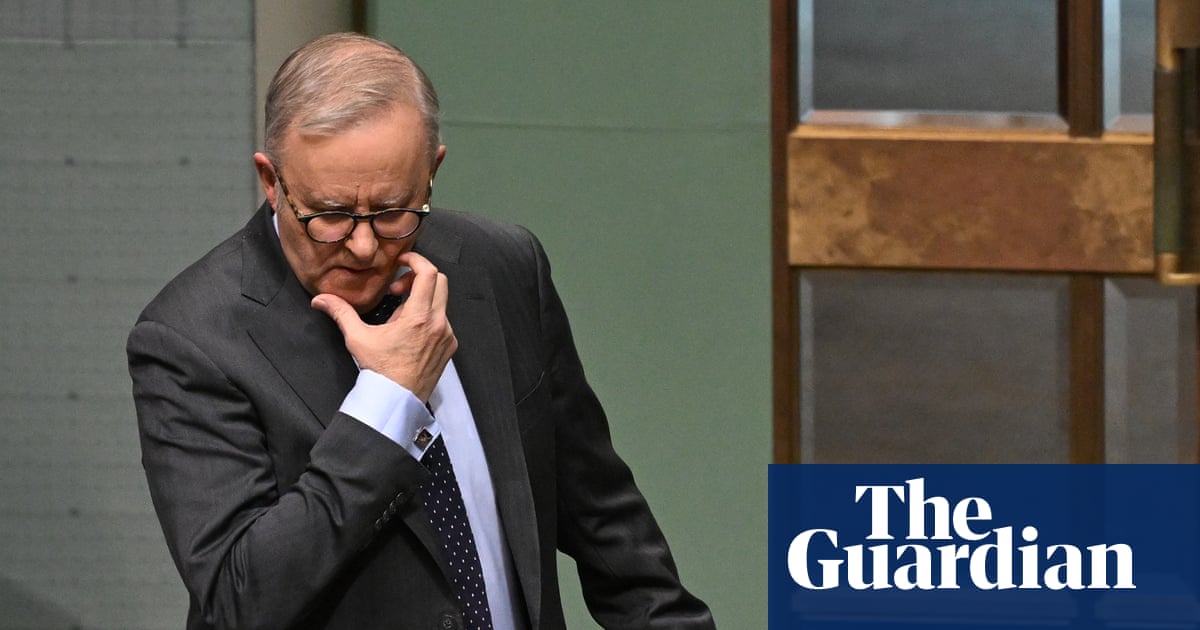
The Australian government's efforts to reform online gambling advertising are struggling to gain traction, as key opposition parties and independents are pushing for more stringent measures. Allegations of gambling companies providing illicit drugs and sex workers to problem gamblers have intensified calls for a more robust bill, potentially mirroring past legislative defeats for the …
Imagine a new rule is being made to stop kids from seeing too many ads for sugary snacks. But some people think the rule isn't strong enough and doesn't stop candy companies from giving kids free candy to make them want more. They want the rule to be much stricter to really protect kids from too much sugar.
Analysis
A Bill Facing Widespread Opposition
The Australian Labor government's proposed legislation to curb online gambling advertising is encountering substantial resistance from across the political spectrum. The Coalition, Greens, and several key independents have signaled their intent to demand significant amendments, indicating the bill is far from assured passage in its current form. This broad opposition suggests a potential for a united front among non-government parties, reminiscent of previous legislative challenges faced by the Albanese government, such as its aged care reforms.
Sensational Allegations Fueling Demands for Stronger Measures
The push for more rigorous reforms has been amplified by deeply concerning evidence presented during a recent inquiry. Allegations surfaced that some gambling companies may have provided illicit drugs and access to sex workers as a means to retain problem gamblers and encourage continued betting. These sensational claims, reportedly made by former athletes and anti-gambling campaigners, have put immense pressure on the government to address not only advertising but also the more predatory practices allegedly employed by the industry to target vulnerable individuals.
The Path to Reform: Inducements and Broadcast Limits
Central to the debate are the issues of gambling inducements and broadcast advertising limits. The Coalition, through shadow communications minister Sarah Henderson, has explicitly stated the bill "ignores gambling inducements" which are causing "immeasurable harm." They are advocating for legislative action to combat these predatory offers, particularly those targeting high-risk or vulnerable gamblers. Furthermore, concerns have been raised about the frequency and timing of gambling ads, with proposals for up to three per hour during children's television programming deemed "untenable." The effectiveness of opt-out rules for streaming platforms also remains a point of contention, suggesting a complex negotiation ahead for the government.
Key points
- Labor's online gambling advertising reform bill faces significant opposition from the Coalition, Greens, and independents.
- Key concerns include the lack of regulation on gambling inducements and the frequency of broadcast advertisements.
- Sensational allegations of gambling companies providing drugs and sex workers to problem gamblers have intensified calls for tougher measures.
- The Coalition is demanding "crucial amendments" and the Greens view the bill as a "moral question."
- There is a possibility of a united non-government bloc forcing major changes or defeating the bill, similar to past legislative defeats.
If the government heeds the calls for stronger reforms, it could lead to more robust protections for vulnerable Australians against gambling harm. A bipartisan consensus on stricter regulations could set a precedent for effective consumer protection in the digital age.
The current impasse risks delaying or watering down crucial gambling reforms, leaving problem gamblers exposed to harmful inducements and excessive advertising. Failure to reach an agreement could signal a continued struggle for meaningful legislative action against the powerful gambling lobby.