Lack of water storage is an urgent national security issue | Letters
UK faces drought and calls for increased water storage capacity.
Intelligence analysis by Qwen 2.5 (3B)
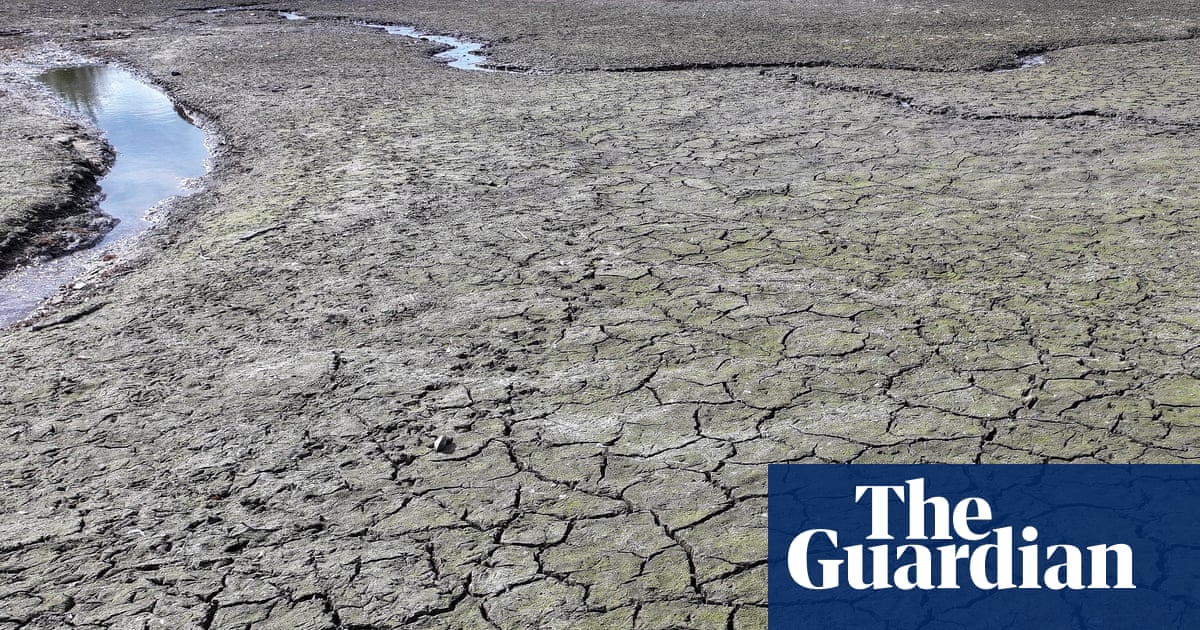
The UK is experiencing a drought, prompting readers to call for increased water storage capacity amid aging infrastructure and slow progress on reservoir construction.
The UK is running out of water storage places because it's having less rain than usual, and old buildings aren't enough to store all the water. People are asking for new ways to save water so they don't run out during dry times.
Analysis
{"# Aging Infrastructure":-1952,"The Victorians understood the importance of storage but faced challenges with modern infrastructure. The current plans to build nine reservoirs by 2050 are seen as too slow for a rapidly changing climate.\n-1976, During the summer of that year, water shortages led to rationing and high prices, underscoring the need for better long-term storage solutions today.\n-2026, The UK is currently only forecast to have one new reservoir by 2050, highlighting a significant gap in current plans compared to historical population growth.\n-2026, Farm-level water storage has also been slow to implement, with bureaucratic hurdles preventing the rapid deployment of thousands of small reservoirs and ponds needed for better crop yields and wildlife conservation.\n-2026, The government is urged to address this urgent national security issue by developing a network of smaller modern distributed-storage reservoirs, either underground or covered, close to communities they serve. These could be installed incrementally rather than waiting years for large projects to complete.":"","# Policy and Planning":-1950,"The Victorians built reservoirs, aqueducts, and local water-storage infrastructure as part of their forward-thinking approach to managing water supplies.\n-2026, The current plans to build nine reservoirs by 2050 are seen as too slow for a rapidly changing climate. Only one reservoir is forecast to come online in the next decade, highlighting the need for faster and more comprehensive planning.\n-2026, Farm-level water storage has been mired in bureaucracy, with plans not rolling out fast enough despite its simplicity compared to large-scale projects.":"","# Community Solutions":-1976,"During the summer of 1976, a house owner built an underground tank and pump engine for rainwater collection. This solution provided water during the drought.\n-2026, Readers suggest incorporating similar underground water storage into housing estates to take advantage of wet spring seasons, providing a more immediate and accessible solution compared to large-scale reservoir projects.":"","# Economic Impact":-1976,"The summer of 1976 saw surge pricing for water due to shortages. Anglian Water imposed a high tariff on Norwich residents, leading to bills as high as £99.98 for two adults over 82 days.\n-2026, The current drought has led to similar issues with surge pricing and increased costs for low-water users like Maureen Begley in Norwich.":"","# Future Solutions":-1950,"The Victorians' approach of building reservoirs and aqueducts was a forward-thinking solution to water management.\n-2026, The current plans are seen as too slow, with only one new reservoir forecast by 2050. Readers suggest developing a network of smaller modern distributed-storage reservoirs for better crop yields and wildlife conservation.":"","# Government Response":-1976,"The government's response to the drought in 1976 was to implement water rationing and high prices.\n-2026, The current drought has led to similar issues with surge pricing and increased costs for low-water users. Readers call on the government to address this urgent national security issue by developing a network of smaller modern distributed-storage reservoirs.":""}
Key points
- The UK is facing a drought with less rain than usual
- Only one new reservoir is forecast to come online by 2050
- Farm-level water storage has been slow to implement due to bureaucracy
- There's a need for smaller, modern distributed-storage reservoirs close to communities
- Current plans are seen as too slow compared to historical population growth
If the government can quickly build small water storage systems close to where people live, it could help solve the problem without waiting years for big projects.
If the government doesn't act soon, there might not be enough water for everyone during dry times, and prices could go up even more.