Lebanese Foreign Ministry Condemns Attacks on King Khalid and Abha Airports
The Lebanese Ministry of Foreign Affairs and Emigrants strongly condemned recent attacks on King Khalid International Airport in Riyadh and Abha International Airport in Saudi Arabia.
Intelligence analysis by Gemini 2.5 Flash
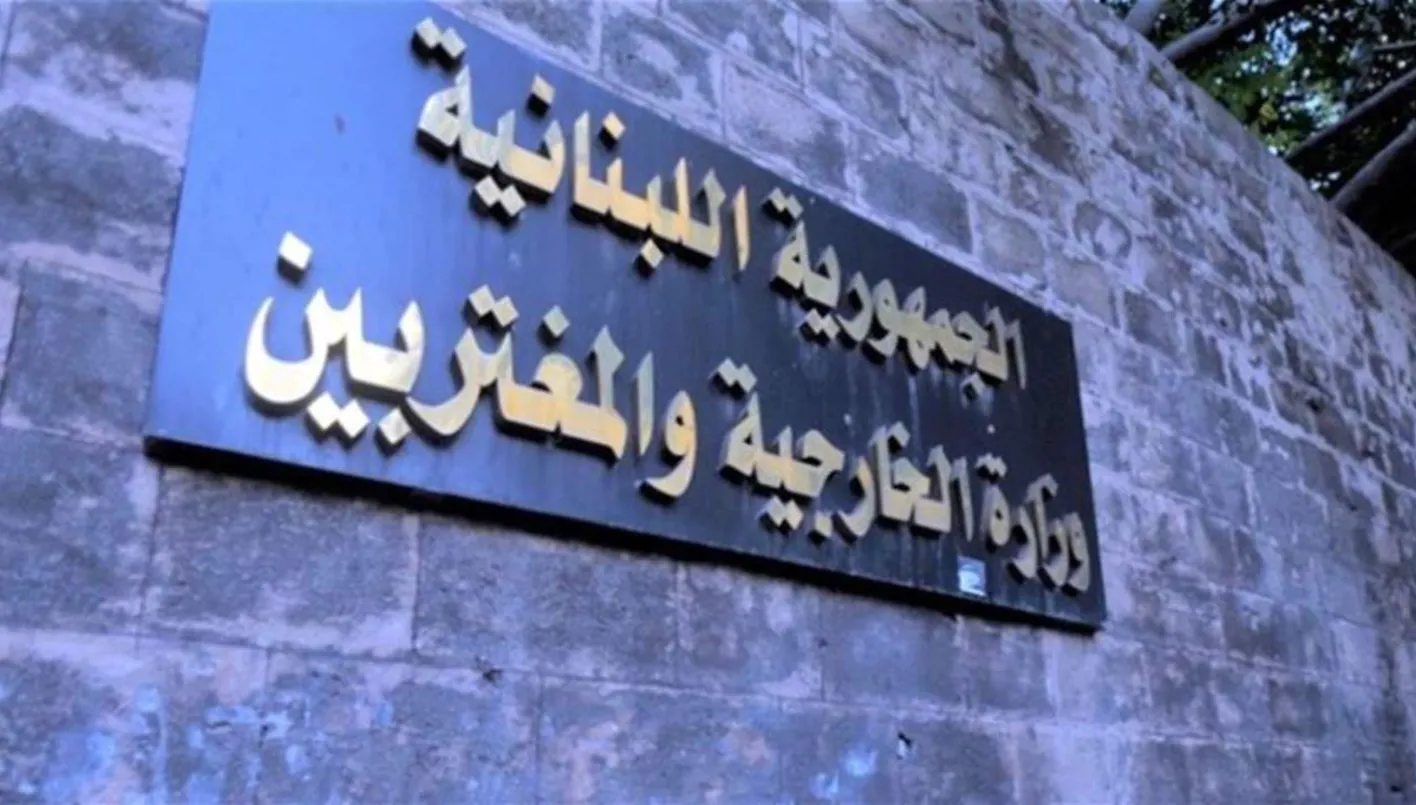
Lebanon's Foreign Ministry issued a strong condemnation of recent attacks on two Saudi airports, King Khalid International in Riyadh and Abha International, emphasizing that such targeting of civilian facilities and lives constitutes a grave violation of international and humanitarian law, posing a serious threat to regional stability.
Imagine someone throwing rocks at your neighbor's house, even though people live there. Lebanon, a country nearby, is saying that's a really bad thing to do because it hurts innocent people and breaks the rules everyone agreed on for how countries should act. They are standing with their neighbor, Saudi Arabia, who got hit.
Analysis
The Lebanese Ministry of Foreign Affairs and Emigrants issued a strong condemnation of recent attacks targeting King Khalid International Airport in Riyadh and Abha International Airport in Saudi Arabia. This diplomatic statement underscores Lebanon's commitment to international law and its solidarity with Saudi Arabia amidst escalating regional tensions. The ministry explicitly labeled the targeting of civilian and vital installations, along with endangering civilian lives, as a "blatant violation of international law and international humanitarian law," further describing it as a "serious threat to the security and stability of the region." This official stance from Beirut highlights the broader implications of such assaults on regional stability and the adherence to global norms regarding civilian protection.
Lebanese Condemnation
Lebanon's swift and unequivocal condemnation of the airport attacks signals its alignment with international efforts to uphold the principles of civilian protection and the sanctity of critical infrastructure. The statement from the Ministry of Foreign Affairs and Emigrants not only expressed solidarity with Saudi Arabia but also reaffirmed Lebanon's "full solidarity" and " steadfast support" for the Kingdom's sovereignty, security, and territorial integrity. This diplomatic gesture is particularly significant given the complex geopolitical landscape of the Middle East, where alliances and condemnations often carry substantial weight.
The Lebanese government's rejection of "any aggression targeting" Saudi Arabia reflects a broader regional concern over the proliferation of attacks on civilian targets. By invoking international and humanitarian law, Lebanon positions itself as a proponent of established global norms, emphasizing the severe consequences of actions that disregard these foundational principles. This public denouncement serves to reinforce the international community's collective stance against acts of aggression that jeopardize civilian populations and vital economic hubs.
Houthi Aggression
The article explicitly links the attacks to the Houthi rebels, noting a recent escalation in their use of drones and ballistic missiles against various locations in Saudi Arabia, including Riyadh. These assaults have had tangible and tragic consequences, with the Saudi General Authority of Civil Aviation reporting the deaths of three Saudi citizens and injuries to several others, including residents of various nationalities, at King Khalid International Airport. The attacks also caused "some material damage," with one assault targeting airport facilities and another striking a Saudi Airlines aircraft.
The persistent nature of these Houthi attacks, particularly their targeting of civilian airports, represents a significant challenge to regional security. The use of advanced weaponry like ballistic missiles and drones against civilian infrastructure demonstrates a clear intent to inflict damage beyond military targets, thereby escalating the conflict beyond traditional battlefields. This pattern of aggression not only endangers lives but also disrupts air travel and economic activity, contributing to a climate of instability across the Arabian Peninsula.
Regional Stability
The Lebanese Foreign Ministry's statement directly addresses the threat these attacks pose to "the security and stability of the region." Such assaults on critical infrastructure, particularly international airports, have far-reaching implications that extend beyond the immediate casualties and damage. They can deter investment, disrupt trade, and undermine confidence in regional security, potentially exacerbating existing conflicts and creating new flashpoints.
The ongoing conflict in Yemen, from which the Houthi attacks originate, continues to be a major source of instability in the Middle East. The targeting of Saudi airports by Houthi forces, reportedly backed by Iran, adds another layer of complexity to the already fraught relations between regional powers. Lebanon's condemnation, therefore, is not merely a bilateral expression of sympathy but a broader call for adherence to international norms that are crucial for maintaining any semblance of order and preventing wider regional conflagration. The emphasis on protecting citizens and residents underscores the humanitarian dimension of these security challenges.
Key points
- Lebanon's Ministry of Foreign Affairs and Emigrants strongly condemned attacks on King Khalid International and Abha International airports in Saudi Arabia.
- The ministry stated that targeting civilian and vital installations, and endangering civilians, constitutes a blatant violation of international and humanitarian law.
- Lebanon reiterated its full solidarity with Saudi Arabia, affirming its steadfast support for Saudi sovereignty, security, and territorial integrity.
- The attacks, attributed to Houthi rebels, resulted in the deaths of three Saudi citizens and injuries to others, along with material damage.
- Houthi forces have recently escalated drone and ballistic missile attacks across Saudi Arabia, including Riyadh.
The continued escalation of Houthi attacks, as noted in the article, suggests a worsening security situation in the region, potentially leading to further civilian casualties and damage to vital infrastructure. This persistent aggression could destabilize regional relations and prolong the conflict in Yemen, with broader implications for international shipping and energy security.