Lebanon says Israel has bombed it nearly 3,500 times
Lebanon says Israeli strikes and demolitions have continued after the April 17 ceasefire, worsening displacement and flattening villages in the south.
Intelligence analysis by GPT-5.4 Mini

Lebanon’s defence minister says Israel has kept bombing the country despite a U.S.-brokered ceasefire, with thousands of strikes and demolitions recorded since April 17. The report says the fighting has continued in southern Lebanon and deepened an already severe displacement crisis.
Lebanon says a fight that was supposed to pause has not really stopped. It is like a school truce that still has kids throwing things in one corner, while many families have to leave home and find somewhere else to stay.
Analysis
Ceasefire under strain
According to Mehr’s report, Lebanon’s defence minister Michel Menassa said Israel carried out nearly 3,500 air strikes on Lebanon, along with hundreds of controlled demolitions, after the U.S. announced a ceasefire for the country on April 16. The ceasefire took effect just after midnight on April 17, but Reuters said Israeli troops were still positioned deep in southern Lebanon.
Fighting remains concentrated in the south
The article says the truce largely stopped strikes on Beirut and its suburbs, but it did not end fighting in southern Lebanon between Israel and Hezbollah. Menassa said that from April 17 to June 7, Israel conducted 3,491 air strikes, 407 controlled demolitions, and six “razing” operations. Mehr says these demolitions left some villages in Lebanon’s far south completely flattened.
The statistics were later posted on X by the office of Prime Minister Nawaf Salam. Reuters reported that the Israeli military did not immediately respond to a request for comment.
Human impact
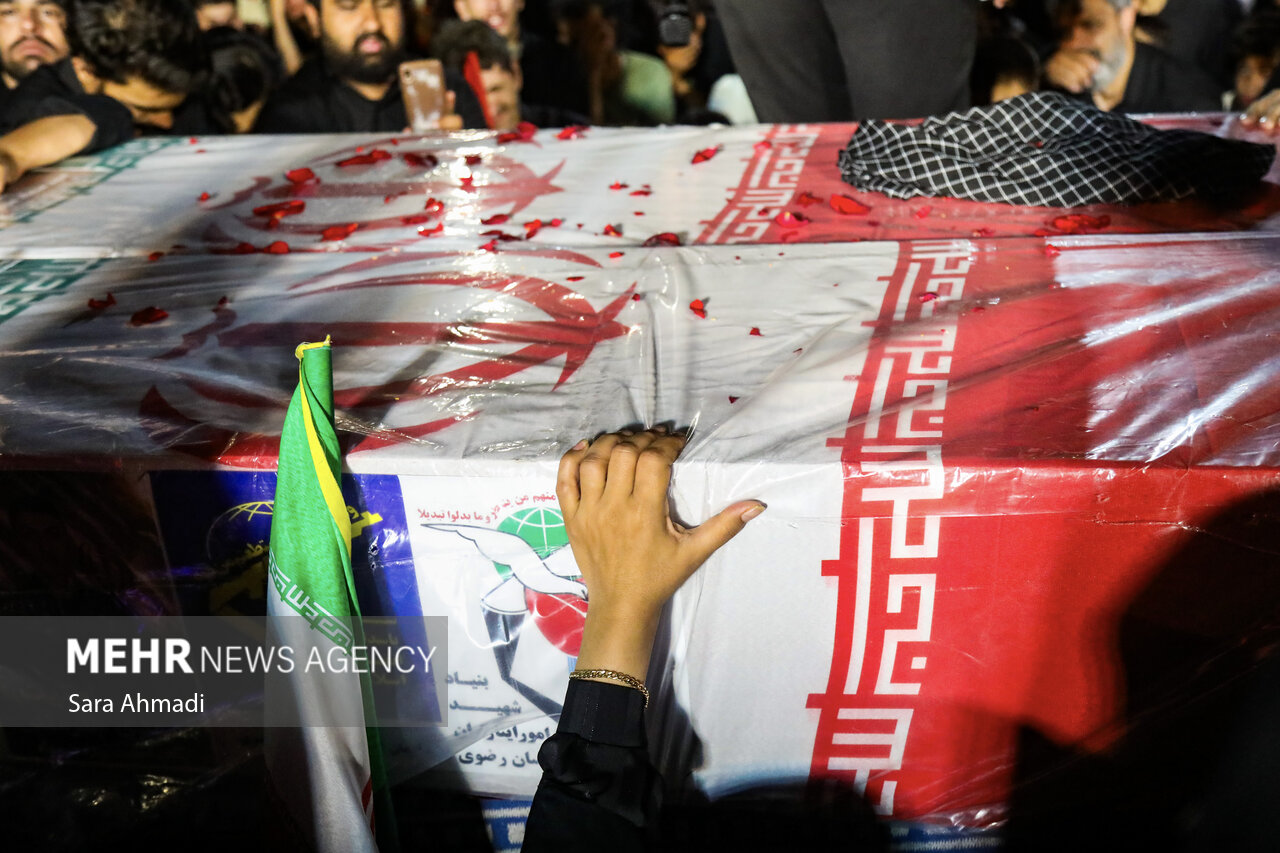
Salam said the latest escalation caused new waves of displacement and made it harder for Lebanon to shelter fleeing families. The article adds that more than 1 million people, or about one-fifth of Lebanon’s population, have already been displaced by Israeli strikes and evacuation warnings since the war began on March 2.
Taken together, the report presents a picture of a ceasefire that exists on paper but has not stopped military pressure on southern Lebanon.
Key points
- Lebanon’s defence minister says Israel has carried out 3,491 air strikes since the ceasefire took effect on April 17.
- The report also cites 407 controlled demolitions and six razing operations in southern Lebanon.
- The ceasefire has largely stopped strikes on Beirut, but fighting continues in the south between Israel and Hezbollah.
- Prime Minister Nawaf Salam said the escalation has created new displacement and strained Lebanon’s ability to host fleeing families.
- Mehr says more than 1 million people have been displaced since the war began on March 2.
If the ceasefire is enforced more effectively, the bombing and demolitions could slow, giving displaced families a chance to return or at least stay safer. A real pause could also reduce pressure on Lebanon’s ability to house and support people who fled the violence.
If the pattern described in the article continues, southern Lebanon could face more destruction and more people could be forced from their homes. Continued violations could also keep the ceasefire fragile and raise the risk of wider clashes between Israel and Hezbollah.