Life-threatening Hurricane Isaias makes landfall in Florida, bringing high winds and heavy rain
Hurricane Isaias made landfall in Florida, bringing 105 mph winds, heavy rain, and causing widespread power outages across the state's Panhandle region.
Intelligence analysis by Gemini 2.5 Flash
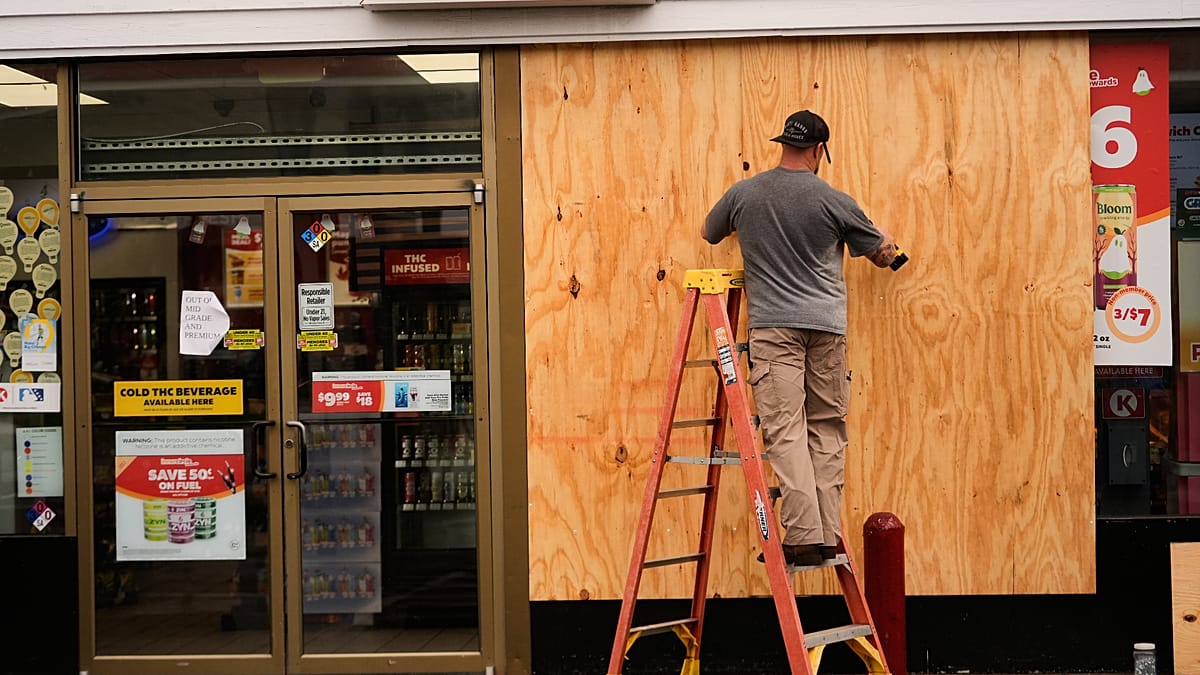
Hurricane Isaias, a Category 2 storm, struck near Destin, Florida, on Friday evening, prompting severe weather warnings from the US National Weather Service. The hurricane brought destructive winds, heavy rainfall, and a life-threatening storm surge, leading to significant power disruptions and property damage in coastal areas.
Imagine a giant, spinning wind machine called Hurricane Isaias just crashed into Florida, a sunny state in America. It brought super strong winds, like a huge hairdryer, and lots and lots of rain, making big puddles and knocking out electricity for many homes. People had to stay safe inside, and now grown-ups are working hard to fix everything.
Analysis
Hurricane Isaias has brought significant disruption and danger to the southeastern United States, particularly Florida, as it made landfall with considerable force. The storm's impact extends beyond immediate damage, posing long-term challenges for recovery and infrastructure resilience in the affected regions. The warnings issued by the National Weather Service underscore the severe risks associated with such powerful hurricanes, emphasizing the need for robust emergency preparedness and response mechanisms.
Isaias's Impact
Hurricane Isaias made landfall in Florida with winds reaching 105 mph (approximately 169 kph), striking near the city of Destin. This powerful Category 2 hurricane immediately led to widespread power outages, affecting around 260,000 customers from Pensacola to Panama City and Tallahassee. Video footage from social media depicted severe conditions, including high winds and heavy rain, with one hotel in Pensacola reportedly losing its roof. The storm's intensity highlights the destructive potential of such weather events on coastal infrastructure and residential areas.
Florida Panhandle
The National Weather Service issued a life-threatening storm surge warning for a vast area stretching from Dauphin Island, Alabama, to Suwannee, Florida, encompassing the entire Florida Panhandle. Residents in these areas were urged to follow local official advice and prepare for extremely dangerous, damaging hurricane-force winds and long-duration power outages. Beyond the immediate coastal impact, the NWS also warned of considerable flash and urban flooding, significant river flooding, and potential landslides across the Southern Appalachians, indicating a broad regional threat from the hurricane's heavy rainfall.
Ron DeSantis
Florida Governor Ron DeSantis provided updates on the state's response to Hurricane Isaias, confirming the extensive power outages affecting hundreds of thousands of customers. He assured the public that restoration crews would be mobilized promptly once the storm had passed, indicating a coordinated effort to address the immediate aftermath. The governor's statements underscore the critical role of state leadership in managing large-scale natural disasters, from issuing warnings to coordinating recovery operations and supporting affected communities.
Key points
- Hurricane Isaias made landfall in Florida near Destin with 105 mph winds.
- The US National Weather Service warned of a life-threatening storm surge from Dauphin Island, Alabama, to Suwannee, Florida.
- Around 260,000 customers experienced power outages across the Florida Panhandle and other areas.
- The storm is expected to bring heavy rainfall, leading to flash, urban, and river flooding, with potential landslides in the Southern Appalachians.
- Florida Governor Ron DeSantis confirmed mobilization of restoration crews post-storm.
The immediate aftermath of Hurricane Isaias is likely to involve prolonged power outages, extensive property damage, and significant flooding, potentially disrupting daily life and local economies for an extended period. The risk of further flash floods and landslides in the wider southeastern US could complicate recovery efforts and pose ongoing dangers to residents.