Lifting of internet restrictions reveals Iranians’ anger over food inflation
Iran’s partial internet reopening exposed public anger over soaring food prices, shortages and hyperinflation.
Intelligence analysis by GPT-5.4 Mini
As Iran restores some internet access after a shutdown tied to war and unrest, social media is filling with complaints about unaffordable food. The reporting links that anger to deep inflation, shortages and a state effort to control the fallout.
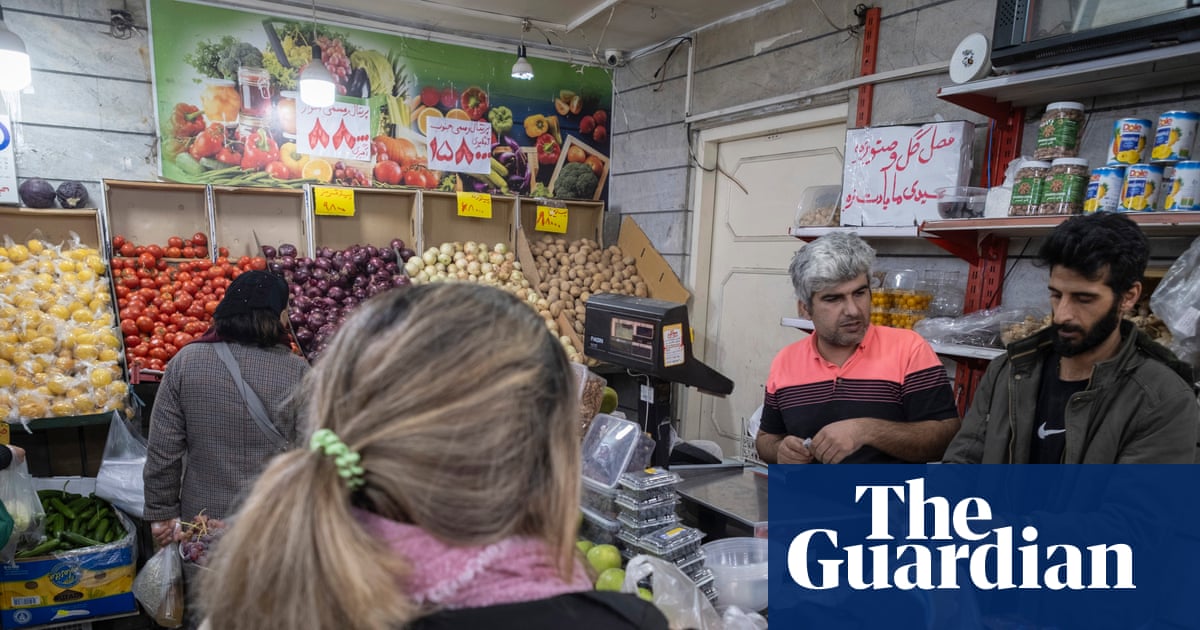
Iran turned the internet back on for more people, and many of them started talking about a big problem: food costs too much. Some basic foods have become so expensive that shopping feels painful.
It is like opening a door in a dark room. Once the lights come back on, everyone can see the mess. In this case, the mess is high prices, missing goods, and people who are tired of waiting for things to get better.
The government says enemies are trying to stir trouble, but many people are mainly worried about paying for dinner. The story shows that the internet is not just for messages; it can also reveal how hard life has become.
Analysis
What changed
Iranian authorities began restoring access to the global internet after a shutdown that started on 28 February, the first day of the US-Israeli war against the Islamic Republic. The connection was still patchy on Wednesday: mobile internet remained largely cut off and many sites were still restricted, but even a partial return was enough for people to voice anger online.
What people are reacting to
The biggest source of anger is food inflation and shortages. The article says annual price increases have reached about 308% for vegetable oil, 190% for chicken, and 170% for rice. Social media posts quoted in the piece describe shopping as humiliating and exhausting, with some users saying ordinary life has become unbearable.
How the government is responding
President Masoud Pezeshkian blamed the US for Iran’s economic trouble, describing it as economic warfare after military efforts failed to topple the government. The intelligence ministry warned that internet freedom could be used for “cognitive warfare” and social provocation, arguing that opponents now want to push unrest back onto the streets. The government also announced a “resistance economy committee” to fight price gouging and shortages.
The broader picture
The story presents Iran as stuck in a cycle of sanctions pressure, exchange-rate stress, subsidy cuts and entrenched hyperinflation. IMF data cited in the article puts food inflation between 140% and 200%, with overall inflation around 70%. A survey published Wednesday found only 9% support for keeping the internet restrictions, suggesting broad public opposition to the shutdown even as officials portray it as a security measure.
Key points
- Iran partially restored internet access after a shutdown tied to war and unrest.
- The reopening exposed widespread anger over food inflation and shortages.
- The article cites huge annual price rises for vegetable oil, chicken and rice.
- President Masoud Pezeshkian blamed the US, while officials warned about online 'cognitive warfare'.
- A survey cited in the piece found only 9% support for keeping the internet restrictions.