Lockheed Martin launches cheaper Patriot missile as air defence demand surges
Lockheed Martin has announced a new, lower-cost Patriot interceptor missile, the PAC-3 ACE, designed to meet surging global demand for air defense systems amid evolving threats and competition.
Intelligence analysis by Gemini 2.5 Flash
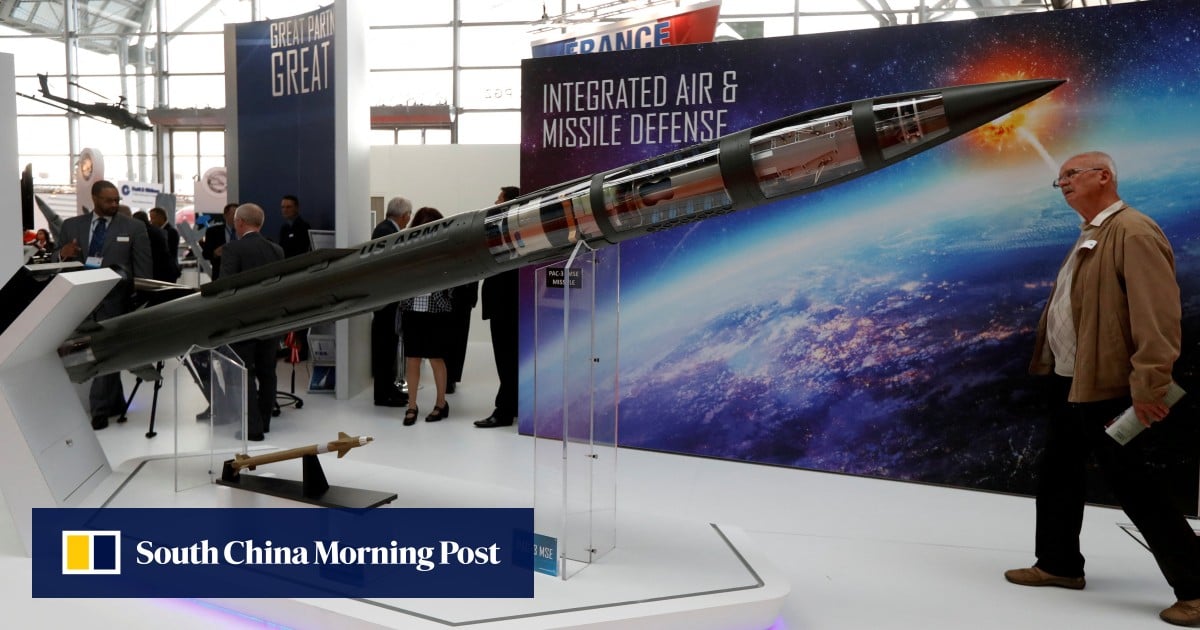
The US defense contractor is developing a Patriot missile variant that will cost less than half of its current PAC-3 MSE interceptors, which are priced around US$4 million each. This move addresses the growing need for affordable solutions against drones and missiles, particularly highlighted by the Ukraine war, and aims to tap into Europe's rearmament efforts.
Imagine you have a really expensive toy car that's great at hitting other toy cars, but it costs a lot of money every time you use it. Now, a company called Lockheed Martin is making a new version of that toy car that does the same job but costs much less. This is important because lots of countries need to protect themselves from flying objects like drones, and they need a way to do it without spending all their money, especially with conflicts like the one in Ukraine making everyone want more protection.
Analysis
The Cost-Efficiency Imperative in Modern Warfare
Lockheed Martin's introduction of the PAC-3 Adapted Capability Effector (ACE) missile marks a pivotal shift in the landscape of air defense. The primary driver for this innovation is the escalating demand for cost-effective solutions to counter the proliferation of drones and various missile threats, a trend acutely underscored by the ongoing conflict in Ukraine. With current PAC-3 MSE interceptors costing approximately US$4 million each, the financial burden of maintaining robust air defense against swarms of relatively inexpensive drones or cruise missiles has become unsustainable for many nations.
The new PAC-3 ACE is projected to cost less than half of its predecessor, making advanced air defense more accessible and economically viable. This strategic pricing is not merely a response to budget constraints but also a recognition of the changing nature of warfare, where adversaries increasingly employ asymmetric tactics involving high volumes of low-cost munitions. By offering a cheaper, yet battle-tested, interceptor, Lockheed Martin aims to provide allied forces with a sustainable advantage in an environment where air defense resources are constantly challenged.
Reshaping Global Air Defense Procurement
The announcement, strategically made at Britain's Farnborough Airshow, highlights Lockheed Martin's intent to capitalize on the significant rearmament boom sweeping across Europe. The war in Ukraine has spurred European nations to bolster their defense capabilities, particularly in air defense, leading to increased procurement. However, European governments are also keen on reducing their dependence on American suppliers and fostering local defense manufacturing.
Lockheed Martin's plan to develop and manufacture the PAC-3 ACE with US and European industry partners directly addresses this desire for localized production and collaboration. This approach could facilitate broader adoption of the new system within Europe, potentially reshaping procurement strategies and fostering deeper transatlantic defense industrial ties. The Patriot system's proven effectiveness in Ukraine has already cemented its status as a highly sought-after air-defense weapon, and a more affordable variant could further solidify its market position globally.
Strategic Implications for Major Powers
The development of a cheaper, high-performance air defense missile has profound strategic implications beyond immediate procurement needs. For major powers like China, observing such advancements is crucial for assessing the evolving capabilities of potential adversaries and allies. A more affordable and widely available advanced air defense system could alter strategic calculations regarding air superiority and deterrence, potentially making offensive air operations more costly and risky.
This innovation also puts pressure on other defense manufacturers, including those in China, to develop their own cost-effective and scalable air defense solutions. The global defense market is increasingly competitive, with start-ups also entering the fray with low-cost, high-volume weapon systems. Therefore, Lockheed Martin's move is not just about a new product but about setting a new standard for efficiency and affordability in high-stakes military technology, influencing defense spending and research priorities worldwide.
Key points
- Lockheed Martin is launching a new, cheaper Patriot interceptor missile called PAC-3 ACE.
- The new missile will cost less than half of the current PAC-3 MSE interceptors, which are about US$4 million each.
- The development is a response to surging global demand for air defense, driven by the Ukraine war and the rise of drone warfare.
- Initial production could begin within 36 months, with development involving US and European partners.
- The announcement at Farnborough Airshow highlights efforts to tap into Europe's rearmament boom while addressing desires for local manufacturing.
The introduction of a more affordable Patriot missile could significantly enhance the air defense capabilities of allied nations, allowing them to better protect against drone and missile threats without prohibitive costs. This increased accessibility to advanced defense systems may act as a stronger deterrent against aggression, contributing to greater regional stability.
While more affordable air defense is beneficial, it could also contribute to an arms race, as nations might feel compelled to acquire more systems, potentially escalating tensions. There's also the risk that the lower cost might encourage more widespread use of such interceptors, leading to a higher frequency of engagements and a more volatile security environment.