London braces for second day of Tube strike disruption
A second Tube strike day is set to disrupt London on Thursday, with some lines facing little or no service.
Intelligence analysis by GPT-5.4 Mini
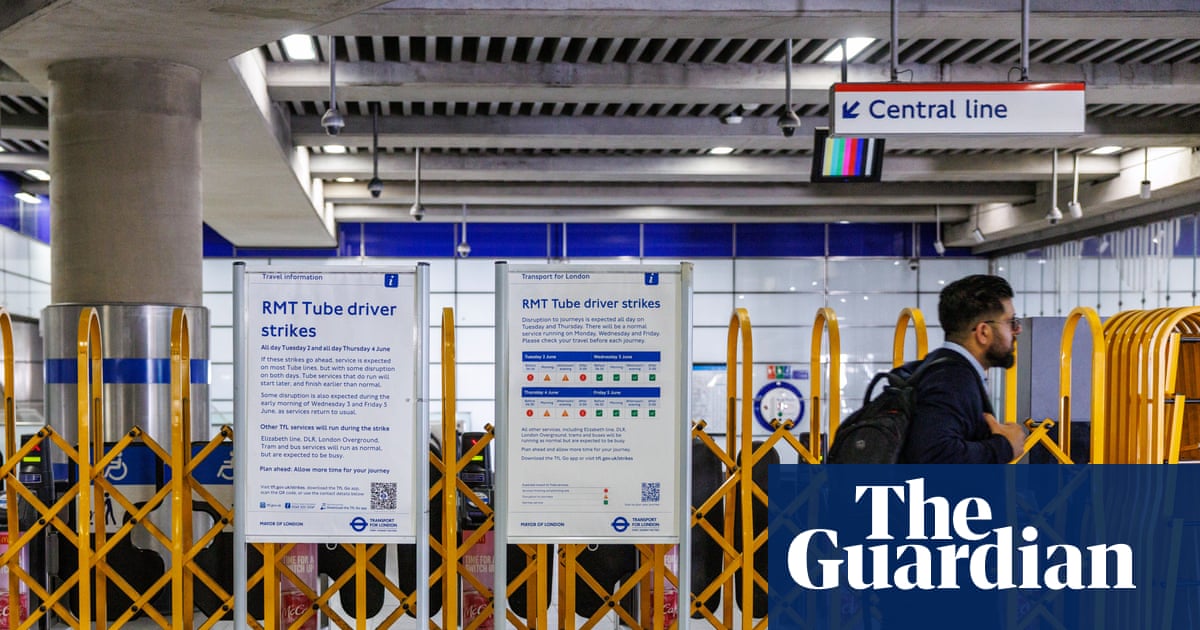
TfL and the RMT remain locked in a dispute over a proposed four-day working week, and another 24-hour stoppage is due to hit the Underground. TfL says the network stayed more open than expected on Tuesday, but Thursday’s strike is still set to squeeze travel across the capital.
London’s train system is having a fight over work rules, so some Tube lines will stop running for a day. It is like one big school bus route being paused: other ways to travel still work, but they get busier.
Analysis
What the article says
London is heading into a second day of Underground disruption after the RMT confirmed that its strike would go ahead on Thursday. The stoppage is part of a dispute over changes linked to a four-day working week, with TfL urging the union to call off the action.
Tuesday’s strike did not shut down most of the network, according to TfL, because more drivers than expected reported for work. TfL said 60% of drivers worked that day, and it argued that the numbers showed Londoners were still able to travel even with serious disruption.
Where services are hit
For Thursday, the article says there should be no service on the Circle and Piccadilly lines, and on central sections of the Metropolitan and Central lines. Other lines are expected to start later, finish earlier, and run less frequently than usual.
Other rail options are expected to keep operating normally, including the Elizabeth line, London Overground, national rail and the DLR. Even so, buses are likely to be crowded and slowed by heavier road traffic.
What each side is saying
TfL says the changes to the working week are voluntary and wants the RMT to keep talking. The union says TfL is trying to push through working changes. Negotiations at Acas ended without a deal on Monday, and no further talks had happened by the time of the article. TfL said services were back to normal by Wednesday morning, and talks between the two sides are expected next week.
Key points
- The RMT is proceeding with a second 24-hour Tube strike this week.
- The dispute centres on proposed changes tied to a four-day working week.
- TfL says Tuesday’s strike was less disruptive than expected because many drivers worked.
- Thursday is expected to bring no service on the Circle and Piccadilly lines and parts of the Metropolitan and Central lines.
- Talks are expected next week after earlier negotiations at Acas ended without a deal.
If the talks expected next week lead to a deal, the stoppages could stop and normal Tube service could resume without further disruption. TfL also says services returned to normal quickly after the first strike, which suggests the network can recover fast once action ends.
If the dispute stays unresolved, more strikes could be called later and keep London’s transport network under pressure. Even without a full shutdown, crowded buses and slower roads can spread the disruption beyond the Underground.