London Tube strikes go ahead after talks fail
London Underground drivers have begun a 24-hour strike after talks over working patterns broke down. TfL says it will try to keep at least half of Tube services running.
Intelligence analysis by GPT-5.4 Mini
A dispute over TfL's voluntary four-day working week proposal has led London Underground drivers to strike after last-minute talks failed. The action is expected to cut Tube services sharply, while buses and other rail services face heavier demand.
London's subway drivers stopped work because they and the transport bosses could not agree on a new work schedule. The bosses wanted a plan that could give drivers a shorter work week, but the drivers worried it might make their days too long and tiring.
When the subway does not run well, lots of people have trouble getting to work, school, or appointments. It is a bit like when the main road to town is blocked and everyone has to squeeze onto smaller roads.
Buses and some other trains are still running, but they are expected to be very crowded. The fight could keep causing problems until both sides agree on a plan.
Analysis
What happened
London Underground drivers have started the first of two planned 24-hour strikes after negotiations between the RMT union and Transport for London broke down. The dispute centres on TfL's proposal for a voluntary four-day working week, which would keep the scheme optional but would involve slightly longer shifts and fewer total hours across the week.
The RMT says TfL did not give enough reassurance about fatigue, longer working hours, reduced flexibility and shift lengths in a role it describes as safety-critical. TfL says it is disappointed that, after several hours of talks at Acas, the union still chose to go ahead with action.
Service impact
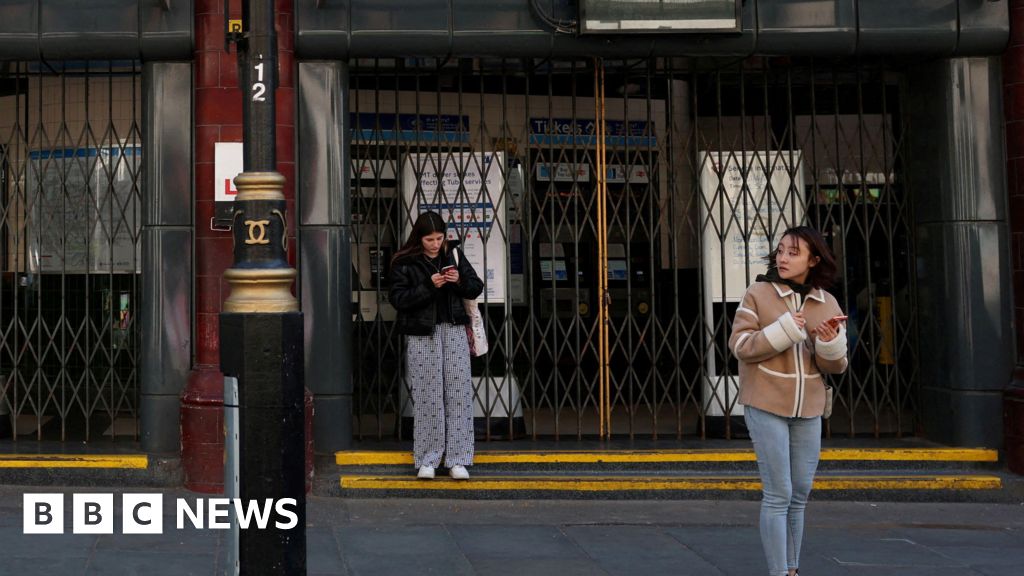
The strike began at 00:01 BST on Tuesday. Very few Tube services are expected before 06:30 or after 21:00, and the Circle and Piccadilly lines are set to close. Parts of the Metropolitan and Central lines will also be suspended.
Other transport modes will keep running, including buses, London Overground, the Elizabeth line, the DLR and trams, but they are expected to be much busier than normal. TfL says it aims to run at least half of Tube services while the action continues, and some disruption is expected to linger into the mornings of 3 and 5 June.
Wider context
The same dispute has already caused major disruption before. Earlier strikes in April hit the network hard, while planned action in May was cancelled after talks. The union's separate discussion with Aslef matters too: Aslef members accepted the proposal, but the RMT did not, so the stoppage continues as a wider industrial dispute over how driving hours should be arranged in a transport system that relies on steady staffing.
Key points
- London Underground drivers began a 24-hour strike after talks with TfL failed.
- The dispute is about TfL's voluntary four-day working week proposal.
- The RMT says it remains worried about fatigue, shift lengths and safety.
- TfL says it is disappointed and aims to run at least half of Tube services.
- Buses and other rail services will keep running but are expected to be busier.
If talks restart, the dispute could still end with a voluntary schedule that gives drivers fewer hours overall while keeping the change optional. TfL also says it will try to run as much service as possible, which could limit the worst disruption if the strike is short.
If the dispute drags on, London commuters may face repeated disruption and more crowded buses and rail lines. The breakdown also suggests that concerns about fatigue, shift lengths and safety could keep blocking any agreement.