London Underground users should know about toxic dust risk, whistleblower says
A former London Underground worker who was unfairly sacked after whistleblowing about his concerns over exposure to asbestos and other toxic dust has said he wants all tube passengers to know about the potential hazards his case has revealed.
Intelligence analysis by Llama
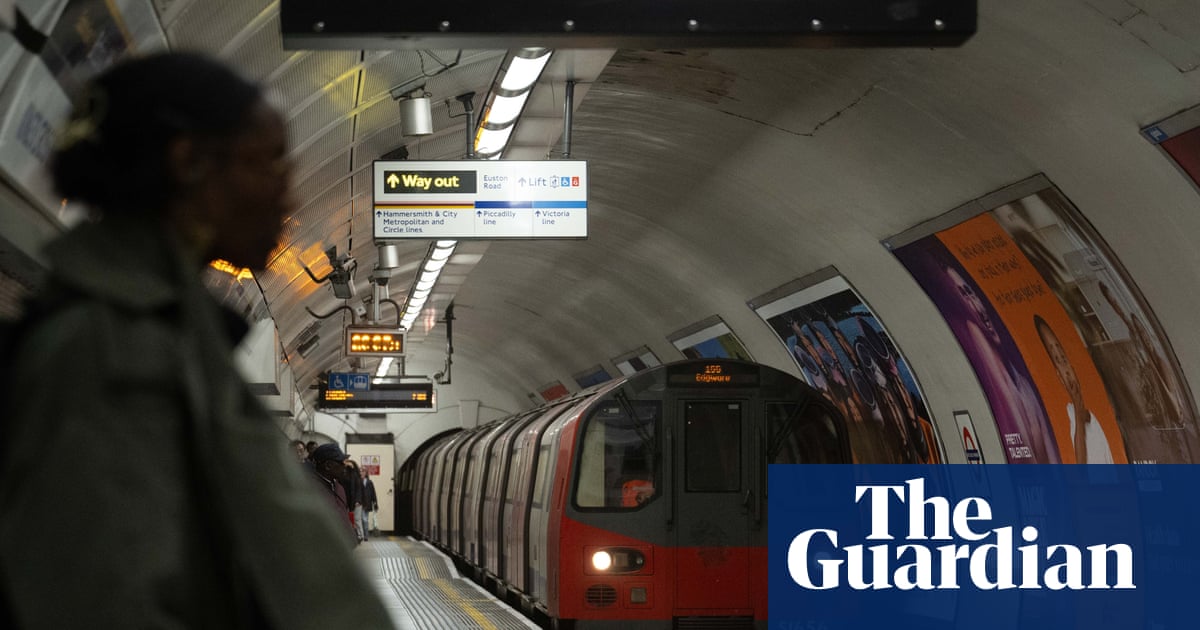
A former London Underground worker was unfairly sacked after whistleblowing about his concerns over exposure to asbestos and other toxic dust. He wants all tube passengers to know about the potential hazards his case has revealed.
Imagine you're on the London Underground, and you're breathing in dust that could be bad for your health. That's what happened to a former worker who was unfairly sacked after he raised concerns about the dust. He wants everyone to know about the potential hazards so that they can stay safe.
Analysis
A Toxic Legacy: London Underground's Hidden Hazard
The recent employment tribunal ruling in favor of Micky Steeds, a former London Underground worker, has shed light on the alarming presence of toxic dust on the network. Steeds, a former professional boxer, was unfairly sacked after raising concerns about the inadequate protection and disposal of hazardous waste, including asbestos. The tribunal found that Steeds' complaints were protected disclosures, and his dismissal was unfair.
The case has significant implications for the safety of London Underground passengers. Steeds' testimony revealed that he and his colleagues were exposed to hazardous dust, including asbestos, while cleaning vents, lift shafts, and inverts. The dust was so thick that it set off the station's fire alarms on one occasion. Steeds was given paper masks, which became blackened with dust after use, and was not provided with proper protective gear for the first 15 months of his employment.
The tribunal's findings are a stark reminder of the need for improved safety protocols on the London Underground. The failure to dispose of hazardous waste appropriately may give rise to criminal and civil liability, putting not only workers but also the public at risk. Steeds' case highlights the importance of whistleblowing and the need for employers to treat such disclosures seriously.
The Road Ahead: A Safer London Underground
In the wake of the tribunal's ruling, Steeds has urged London Underground to safely remove hazardous material and stop claiming it was safe. He has also called for improved safety protocols to protect workers and passengers from toxic dust exposure. The case has sparked a renewed focus on the importance of workplace safety and the need for employers to prioritize the well-being of their employees.
The Impact on Passengers
The potential health risks faced by London Underground passengers due to toxic dust exposure are a pressing concern. Steeds' case has highlighted the need for improved safety protocols and greater transparency about the presence of hazardous materials on the network. As passengers, we have a right to know about the potential hazards we may face when using the London Underground. Steeds' story serves as a reminder of the importance of prioritizing workplace safety and the need for employers to take responsibility for protecting their employees and the public.
Key points
- A former London Underground worker was unfairly sacked after whistleblowing about his concerns over exposure to asbestos and other toxic dust.
- The worker, Micky Steeds, wants all tube passengers to know about the potential hazards his case has revealed.
- The tribunal found that Steeds' complaints were protected disclosures, and his dismissal was unfair.
- The case highlights the need for improved safety protocols on the London Underground to protect workers and passengers from toxic dust exposure.
If London Underground takes steps to safely remove hazardous material and improve safety protocols, the risk of toxic dust exposure could be significantly reduced. This would not only protect workers but also passengers who use the network.
If London Underground fails to address the issue of toxic dust exposure, it could lead to serious health problems for workers and passengers. This could also result in costly lawsuits and damage to the network's reputation.