Lut Desert offers untapped potential for science, geotourism, experts say
Researchers at a conference marking the 10th anniversary of Lut Desert's UNESCO World Heritage listing said the site has significant untapped potential for scientific research and nature-based tourism.
Intelligence analysis by Llama
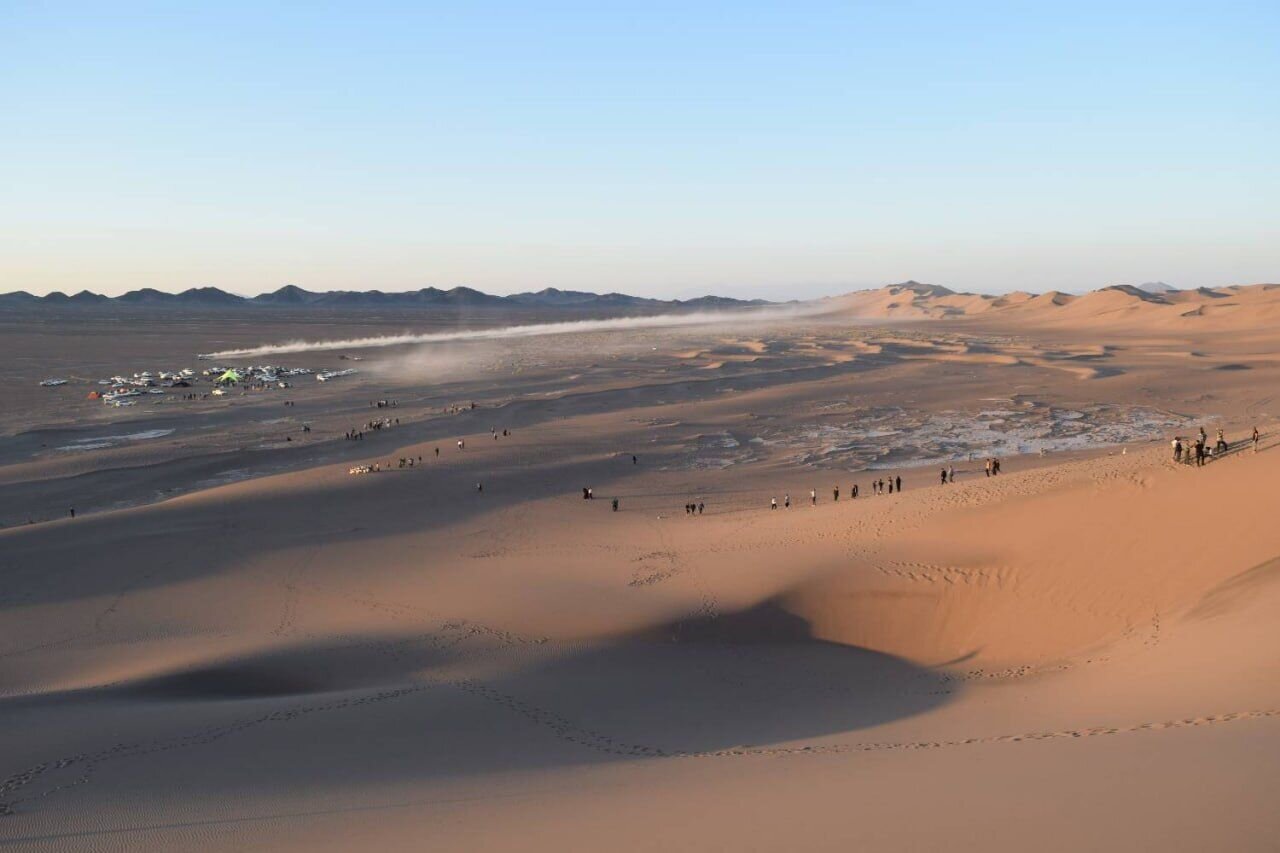
Iranian experts convened to mark a decade since the Lut Desert became a UNESCO site, highlighting its unique geomorphology, record surface temperatures, and opportunity to pivot from viewing deserts as a threat toward developing them as sustainable tourism and research destinations.
Iran's Lut Desert is a giant, super-hot sandy place with tall wind-carved rock towers and special plants. Scientists just celebrated 10 years since it became a famous world heritage site, and they say it can be used for cool science experiments and for tourists to visit, not just avoided.
Analysis
A Natural Laboratory Reaches a Decade of Recognition
Ten years after the United Nations Educational, Scientific and Cultural Organization inscribed the Lut Desert on its World Heritage list, Iranian researchers gathered online to take stock of what the site has revealed and what remains unexplored. Organized by the University of Tehran's international desert research center and the Lut World Heritage base, the conference assembled geomorphologists, climatologists, ecologists and tourism specialists to argue that the desert should be reframed from a wasteland to be managed into an asset to be developed. Geomorphologist Nasser Mashhadi framed the site as a "natural museum" of wind- and water-shaped landforms, calling out the towering kaluts, sweeping sand dunes, alluvial plains and the rare geological feature known as armoured mud balls. Each of these, he argued, provides a setting for educational and research activity that few other places on Earth can match.
Confirming the Hottest Place on Earth from the Ground Up
Perhaps the most concrete scientific contribution discussed came from Hamidreza Naseri, head of the International Desert Research Center, who presented the first ground-based surface temperature measurements ever taken in the Lut. Previous estimates relied on NASA's MODIS satellite instrument, which recorded land surface temperatures around 70.7 degrees Celsius, with some analyses suggesting readings approaching 80 degrees. The July 2022 field campaign, conducted directly on the desert surface, registered a maximum of 73.5 degrees Celsius, broadly confirming the satellite record and cementing Lut's standing as one of the hottest places on the planet. Naseri stressed that these measurements, and the continued monitoring they enable, make the desert a useful natural laboratory for climate, geography and climate-change research, a value that comes at a moment when demand for ground-truth climate data is rising globally.
From Threat to Opportunity: The Geotourism Pitch
Hesam Ahmadi Birgani of the University of Urmia put a number on the scale of what Iran is sitting on: roughly five million hectares of sand seas, placing the country among those with the world's largest expanses of sandy desert. His argument was economic as much as ecological, contending that sand landscapes should be treated as a tourism and industrial opportunity rather than a hazard. The pitch leans on attributes that are difficult to monetize elsewhere: dark skies, desert silence, and the prospect of involving local communities in the visitor economy. Lut World Heritage base director Mehran Maqsoudi added that the site's kaluts are the tallest, longest and most continuous yardangs known worldwide, exceeding 225 meters in height and stretching more than 40 kilometers, features that are the defining motif of the World Heritage designation itself. Maqsoudi also flagged newer research questions, including shifts in the permanent Shur River and the recent formation of young lakes in parts of the desert, which he said have increased scientific interest while introducing fresh management headaches. The conference closed with a call for science-based management, stronger community involvement, and a national pivot toward recognizing the desert as a research and tourism opportunity rather than a problem to be contained.
Key points
- Iranian researchers marked the 10th anniversary of the Lut Desert's UNESCO inscription with a conference highlighting its research and geotourism potential
- First ground-based temperature measurements, taken in July 2022, recorded a maximum surface temperature of 73.5°C, confirming earlier NASA satellite estimates
- Lut's kaluts (yardangs) are the tallest, longest and most continuous in the world, exceeding 225 meters in height and stretching more than 40 kilometers
- Iran's sand seas cover roughly 5 million hectares, ranking the country among those with the largest expanses of sandy desert
- Experts called for a policy shift from managing deserts as a threat to treating them as opportunities for sustainable tourism and scientific research
If Iran leans into the geotourism push, the Lut could draw international researchers, adventure travelers and astronomy tourists, generating revenue for local communities and reinforcing the country's case for protecting its natural heritage. Stronger ground-based climate monitoring could also position the site as a reference point for global heat and climate-change research.
Without adequate management, increased tourism could damage fragile kalut formations and disturb heat-adapted wildlife, while the recently observed changes in the Shur River and formation of new lakes suggest the desert's hydrology is shifting in ways that may complicate both conservation and any infrastructure built around the site.