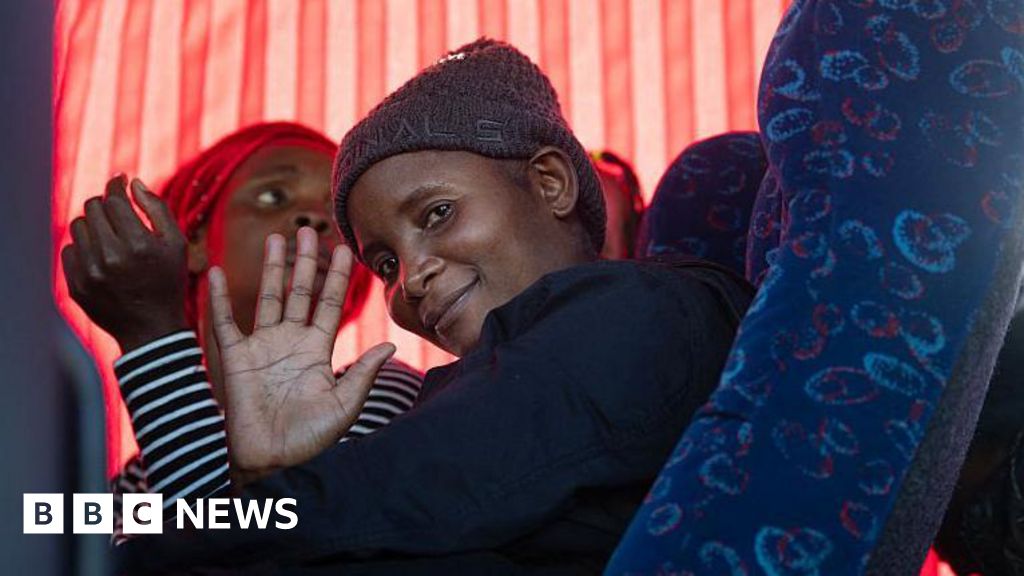
Malawians repatriated from South Africa amid xenophobia concerns
Malawi says 150 citizens repatriated from South Africa are due home by road on Monday amid xenophobia fears. The move follows violence in Western Cape and similar evacuation efforts by other African governments.
Intelligence analysis by GPT-5.4 Mini
The article tracks a widening regional response to anti-migrant violence and intimidation in South Africa. Malawi is bringing home 150 people who had sought refuge in temporary camps, while Zimbabwe, Ghana and Nigeria are also organizing or delaying evacuations as tensions continue.
Like leaving a playground after a fight starts, Malawi is bringing 150 people home from South Africa so they can get away from fear and violence while leaders try to calm things down.
Analysis
What happened
Malawi says a group of 150 citizens who were repatriated from South Africa are expected to arrive home by road on Monday. The authorities said the evacuees were among foreign nationals who had taken shelter in temporary camps in Mossel Bay, in Western Cape Province, after rising fear linked to anti-migrant violence.
Why they left
The article says the repatriation comes after reports of door-to-door intimidation in the area and the deaths of two Mozambicans in Mossel Bay. It also notes that anti-migrant groups in South Africa are demanding undocumented migrants leave the country and have set a 30 June deadline.
South Africa's response
In a national address on Sunday, President Cyril Ramaphosa announced new measures aimed at cracking down on illegal migration. He also warned South Africans not to take the law into their own hands and said there was "no space for xenophobia" or other forms of intolerance.
Wider regional fallout
Malawi is not acting alone. The article says Zimbabwe, Ghana and Nigeria have also organized repatriation efforts after raising concern about xenophobia in South Africa. A group of 74 Zimbabweans arrived home on Sunday after being transported out of Mossel Bay.
Ghana has already run a repatriation flight from Johannesburg for nearly 300 citizens, with another large group arriving in Accra over the weekend. The article also describes a public dispute between South Africa's foreign minister and Ghana's foreign minister over what counts as xenophobia and whether foreigners were killed or injured.
Nigeria has postponed a planned evacuation flight for 270 citizens until Wednesday because of logistical issues. Officials say more than 500 Nigerians have been screened and cleared for return as part of a broader government response.
The bigger picture
The story shows how local violence and anti-migrant pressure in one country can quickly become a regional diplomatic and humanitarian issue. Governments are moving citizens home while also arguing over facts, accountability, and whether compensation should be paid for property left behind.
Key points
- Malawi says 150 repatriated citizens are due home from South Africa by road on Monday.
- The evacuees had sought shelter in temporary camps in Mossel Bay after violence and intimidation.
- Zimbabwe, Ghana and Nigeria have also launched or planned repatriation efforts.
- South African President Cyril Ramaphosa condemned xenophobia and urged people not to take the law into their own hands.
- Nigeria postponed one evacuation flight because of logistical considerations.
If South Africa's new measures help reduce violence and intimidation, more foreign nationals may be able to return home safely or stay without fear. The repatriations could also give affected governments a way to protect citizens while tensions cool.
If anti-migrant groups keep pushing deadlines and intimidation continues, more evacuations and displacement may follow. The dispute between governments over deaths, injuries and misinformation could also deepen distrust and make coordination harder.