Malaysia’s gas-guzzling data centre boom clashes with its clean energy goals
Malaysia’s data-centre push is lifting electricity demand, and more of that power is coming from gas-fired plants.
Intelligence analysis by GPT-5.4 Mini
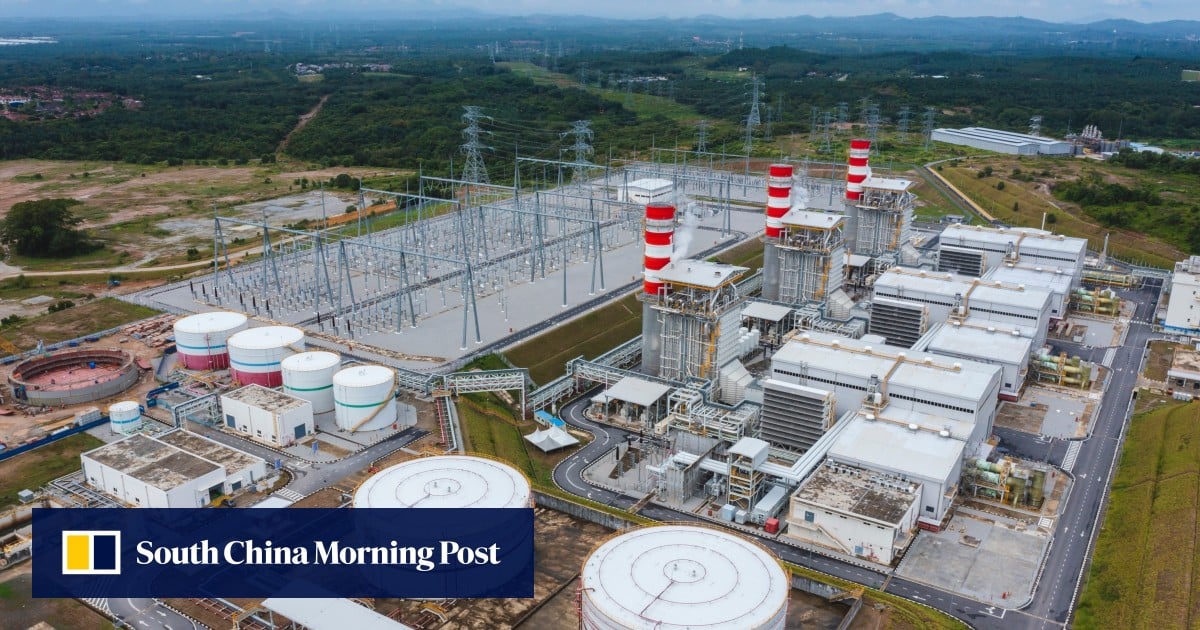
Malaysia is racing to become Southeast Asia’s data-centre hub, with huge AI and cloud investments already approved. But the buildout is colliding with rising electricity demand and a sharp increase in gas-fired power generation.
Malaysia is building lots of giant computer warehouses that must stay cool all day and night. That uses a lot of power, so the country is burning more gas to keep the lights on, like adding more and more fans to one house until the electricity meter spins faster.
Analysis
Expansion at speed
Malaysia has made data centres a pillar of its economic strategy. The article says there were 54 operational data centres by the end of 2024, with the number expected to reach 81 by 2035. Between 2021 and mid-2025, Malaysia’s Investment Development Authority approved 144.4 billion ringgit, or US$36.3 billion, in data-centre and cloud-computing investments, helped by pledges from Microsoft, Google and Amazon Web Services.
Power demand is rising with it
That buildout needs a lot of electricity and cooling. The piece says the extra demand is increasingly being met by gas-fired turbines. Gas-fired power generation rose 50.5% year on year in April, reaching a record 5.54 terawatt-hours, according to Malaysia’s Grid System Operator. Electricity demand on the peninsula, which accounts for about 80% of national demand, rose 11.5% in the same period.
The article frames this as a direct clash between two national goals: becoming a regional data-centre hub and cutting fossil-fuel use by 2050. It says demand had already hit a new peak last year, and the Energy Commission linked that to data-centre growth, electrification, climate stress and electric-vehicle uptake. The result is a clearer tilt toward gas just as Malaysia is promising a lower-carbon future.
Key points
- Malaysia wants to become Southeast Asia’s data-centre hub while also cutting fossil-fuel use by 2050.
- The country had 54 operational data centres by the end of 2024, with more expected by 2035.
- Malaysia approved 144.4 billion ringgit in data-centre and cloud investments from 2021 to mid-2025.
- Gas-fired power generation jumped 50.5% in April, hitting a record 5.54 terawatt-hours.
- Rising data-centre demand is one of several forces pushing electricity use higher.
If Malaysia can keep attracting data-centre investment while finding cleaner ways to power it, the country could capture more business and infrastructure spending. The article shows there is already major interest from large global tech companies, which could support growth if the power mix improves.
If data-centre demand keeps rising the way the article describes, gas use could climb faster than Malaysia’s clean-energy plans. That would make the 2050 fossil-fuel reduction target harder to reach and could leave the electricity system under heavier strain.