Man charged with hate crime in cross burning in Chicago park
A 21-year-old man was charged with hate crimes and other felonies after admitting to setting fire to a cross in Chicago's Grant Park, claiming it was a protest against the Trump administration.
Intelligence analysis by Gemini 2.5 Flash
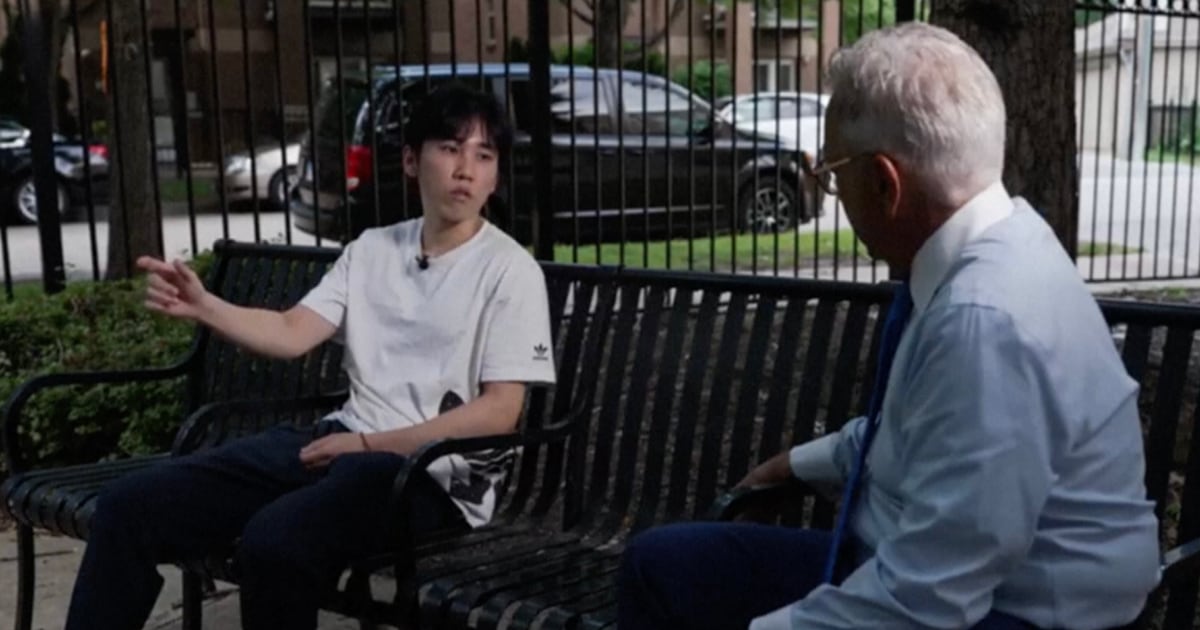
Merlin Lu, a University of Illinois Chicago student, was arrested after a burning cross was found in Grant Park. He told NBC Chicago he intended the act as a protest against then-President Trump, placing a red 'Make America Great Again' hat on the cross, despite acknowledging the symbol's historical association with racial terrorism.
A young man set a wooden cross on fire in a park, which is a scary symbol that has been used to threaten Black people. He said he was actually protesting a political leader and didn't mean to scare anyone based on their race. But because of what a burning cross means to many people, the police charged him with a hate crime, saying his actions caused damage and fear.
Analysis
The Incident and Charges
Merlin Lu, a 21-year-old student, was taken into custody and subsequently charged with multiple felonies, including two counts of hate crime, arson, and damage to city property, following the burning of a cross in Chicago's Grant Park. The incident, which occurred on June 9, prompted a police investigation after the large burning cross was discovered. Authorities released a photo of the alleged perpetrator, leading to Lu's arrest and his subsequent admission to NBC Chicago that he was responsible for the act.
Police stated that Lu "committed a hate crime by starting a fire that caused damage to city property." In addition to the felony charges, he faces four misdemeanor counts, including breach of peace and cross burning to intimidate. The swift legal action underscores the seriousness with which such acts are treated, particularly given the historical context of cross burnings as symbols of racial terror in the United States.
Intent vs. Historical Symbolism
Lu's defense centers on his claim that the act was a protest against the federal government, specifically the Trump administration, and not racially motivated. He told NBC Chicago that he placed a red 'Make America Great Again' hat on the cross to signify his protest. While acknowledging the historical relevance of cross burning, he insisted he did not fully grasp its "severity" or how "racially motivated it may seem." He explicitly denied affiliation with the Ku Klux Klan and apologized to those offended, stating his intent was not to commit a hate crime.
This distinction between intent and the widely understood impact of a symbol is central to the legal and public discourse surrounding the case. For many, a burning cross is an unambiguous symbol of racial hatred and intimidation, regardless of the perpetrator's stated personal motive. The legal system often grapples with how to weigh a defendant's subjective intent against the objective, historical meaning and impact of their actions on the community.
Legal Ramifications and Public Discourse
The charges against Lu, particularly the hate crime counts, highlight the legal framework designed to address acts that target individuals or groups based on protected characteristics. Even if Lu's primary intent was political protest, the use of a symbol with such a potent history of racial violence can still meet the criteria for a hate crime if it is perceived as intimidating or threatening to a specific community. The case will likely examine whether Lu's actions, despite his stated political aim, created an environment of fear or intimidation based on race.
The incident also sparked public discourse on the appropriate forms of protest and the responsibility of individuals to understand the historical and social implications of their chosen symbols. While Lu expressed regret for the method, he did not regret the act itself, emphasizing his desire for immediate change regarding the Trump presidency. The outcome of his detention hearing and subsequent legal proceedings will be closely watched as it navigates the complexities of free expression, public safety, and the profound impact of historical symbols of hate.
Key points
- Merlin Lu, 21, was charged with hate crimes and other felonies for burning a cross in Chicago's Grant Park.
- Lu admitted to the act, claiming it was a protest against the Trump administration, not racially motivated.
- He placed a 'Make America Great Again' hat on the cross and denied affiliation with the Ku Klux Klan.
- Police charged him with two felony hate crime counts, arson, and damage to city property, along with misdemeanors.
- Lu acknowledged the historical relevance of cross burning but claimed he didn't understand its full severity as a racial symbol.
The incident could exacerbate racial tensions and misunderstandings regarding protest methods, potentially leading to further division if the legal outcome is perceived as either too lenient or too harsh by different segments of the public. It also highlights the ongoing challenge of addressing acts that carry historical weight of intimidation, regardless of the perpetrator's stated intent.