Mangrove forests are healing after decades of human destruction
Mangroves are rebounding globally after years of loss, helped by protection, awareness and natural regeneration.
Intelligence analysis by GPT-5.4 Mini
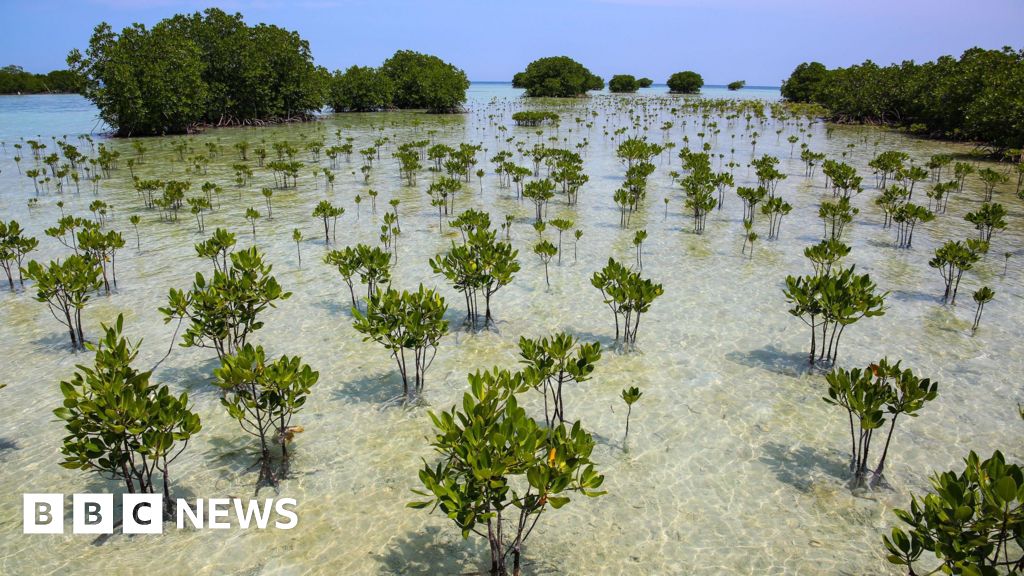
A BBC Climate & Science report says the world’s mangrove forests have begun to recover since 2010 after decades of heavy clearing. The turnaround is driven by legal protection, public awareness after disasters, and mangroves’ own ability to regrow when human pressure eases.
Mangroves are like nature’s seawall and fish nursery rolled into one. The article says these strange swamp trees are growing back in many places after people stopped cutting them down, but some areas are still in trouble.
Analysis
What changed
The article says coastal mangrove forests, long cut back for fish farms, farming and coastal development, are now showing a global net gain. Since 2010, the world has been gaining more mangroves than it has lost, reversing a decades-long decline.
Why mangroves matter
Mangroves are described as major environmental defenders. Their roots help blunt waves and reduce damage from storm surges and tsunamis, while the forests also store very large amounts of carbon and serve as nurseries for fish and other marine life.
Why the trend improved
The article points to stronger legal protection, more public awareness and active restoration work. It also says natural regeneration is a major reason for the rebound: once people stop clearing mangroves, the forests can recover on their own. In Indonesia, awareness reportedly rose after the 2004 Indian Ocean tsunami, when some mangrove-covered islands were protected better than nearby cleared areas. In Myanmar, the article links changing attitudes to Cyclone Nargis in 2008 and a logging ban in 2016.
What the new data added
The researchers used a different satellite imaging system, based on Landsat, that could detect canopy change more clearly than earlier methods. That helped reveal many more new trees than previous assessments had captured.
Limits and risks
The recovery is not equal everywhere. The article highlights West and Central Africa as destruction hotspots, especially the Niger Delta, where oil pollution and pipeline damage are still harming mangroves. It also notes that some new mangrove growth may be tied to environmental damage upstream, such as nutrient runoff from mining and forest loss, rather than purely healthy conditions.
Key points
- Mangrove forests have begun to gain more area than they lose worldwide since 2010.
- Stronger protections, public awareness and restoration efforts helped, but natural regeneration was the biggest factor.
- Mangroves matter because they store carbon, protect coasts and support marine life.
- The rebound is uneven, with West and Central Africa still facing heavy destruction and pollution.
- Better satellite mapping found more new mangrove growth than earlier studies had detected.
If protection and restoration continue, mangroves could keep expanding naturally in many regions. That would help shorelines, wildlife and climate goals at the same time.
The recovery may stall if clearing, pollution or upstream damage continues. The article also warns that some of the apparent growth could be a sign of environmental problems elsewhere, not a clean success story.