Many condemn Israeli assassination of Lebanese commanders
Israel’s strike in southern Lebanon killed three Lebanese army personnel and drew condemnations from Lebanon, Iran, Saudi Arabia, Jordan and UNIFIL.
Intelligence analysis by GPT-5.4 Mini

The article reports a wave of official condemnation after an Israeli strike killed Lebanese army officers and a soldier in southern Lebanon. It frames the attack as a violation of Lebanese sovereignty and an obstacle to efforts to stabilize the border.
An Israeli attack hit a Lebanese army vehicle and killed soldiers, and many leaders said that was wrong. It is like people trying to calm a broken fence, while someone keeps kicking it down again.
Analysis
What happened
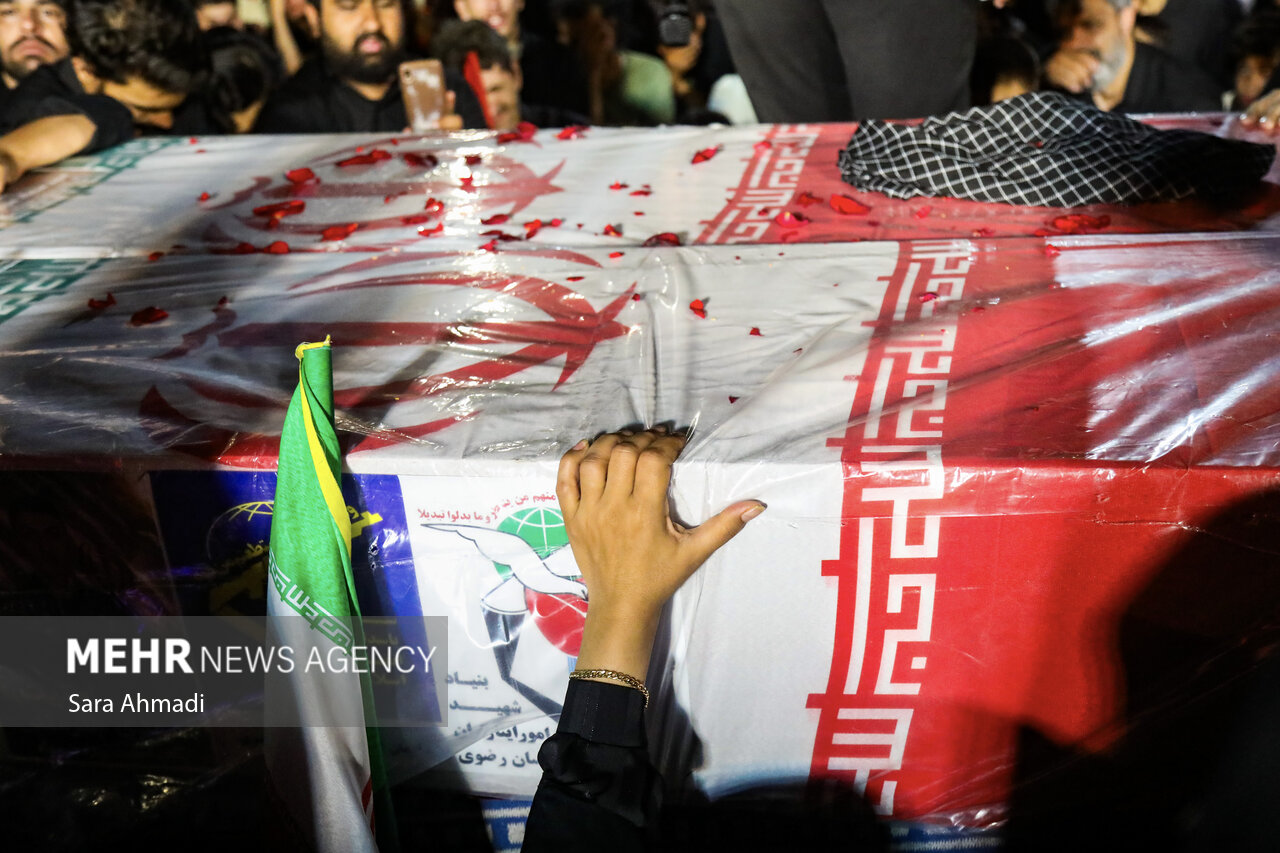
Mehr reports that Israeli strikes across southern Lebanon killed at least 12 people, including Lebanese army personnel. In one strike on the Khardali-Nabatieh road, the Lebanese army said a brigadier general, a captain, and a soldier were killed when a military vehicle was hit.
The reactions
Lebanese President Joseph Aoun called the attack a "flagrant violation" of sovereignty and international norms, while Prime Minister Nawaf Salam described it as "a heinous crime" and an attack on the Lebanese people. Hezbollah also condemned the strike and accused the government of giving in to outside pressure.
Iran’s Foreign Ministry spokesperson Esmaeil Baghaei used the incident to argue that Israel is asserting claims over Lebanon in all its parts. Saudi Arabia and Jordan also condemned the strike, with both governments stressing Lebanon’s sovereignty and calling for an immediate halt to Israeli aggression. UNIFIL said the killing of Lebanese army personnel was a gross violation of sovereignty, territorial integrity, and UN Security Council Resolution 1701.
Why the resolution matters
The article reminds readers that Resolution 1701 ended the 2006 Israel-Hezbollah war and later became the basis for a November 2024 truce. That gives the strike a broader diplomatic meaning: it is not only a battlefield event, but also a challenge to a fragile ceasefire framework that regional actors say is already under strain.
Key points
- Israeli strikes in southern Lebanon killed at least 12 people, including three Lebanese army personnel.
- Lebanese leaders called the strike a violation of sovereignty and a direct attack on the state.
- Iran, Saudi Arabia, Jordan, and UNIFIL all condemned the attack in separate statements.
- The article links the incident to UN Security Council Resolution 1701 and the November 2024 truce.
If the condemnations create real pressure, they could help push for an immediate halt to Israeli strikes and reinforce the ceasefire language tied to UN Security Council Resolution 1701. A stronger diplomatic response could also support Lebanon’s army and its role in stabilizing the border.
If the attacks continue, they may further weaken trust in the ceasefire framework and make talks harder. More killings of Lebanese army personnel could also deepen political tension inside Lebanon and raise the risk of wider escalation.