Marching towards inclusion: How S’pore’s first contingent of persons with disabilities train for NDP 2026
Singapore's first people with disabilities contingent, including those with physical, intellectual disabilities and autism, is preparing for the 2026 National Day Parade (NDP). Rehearsals include long hours at the National Stadium with special support like quiet rooms to …
Intelligence analysis by Llama
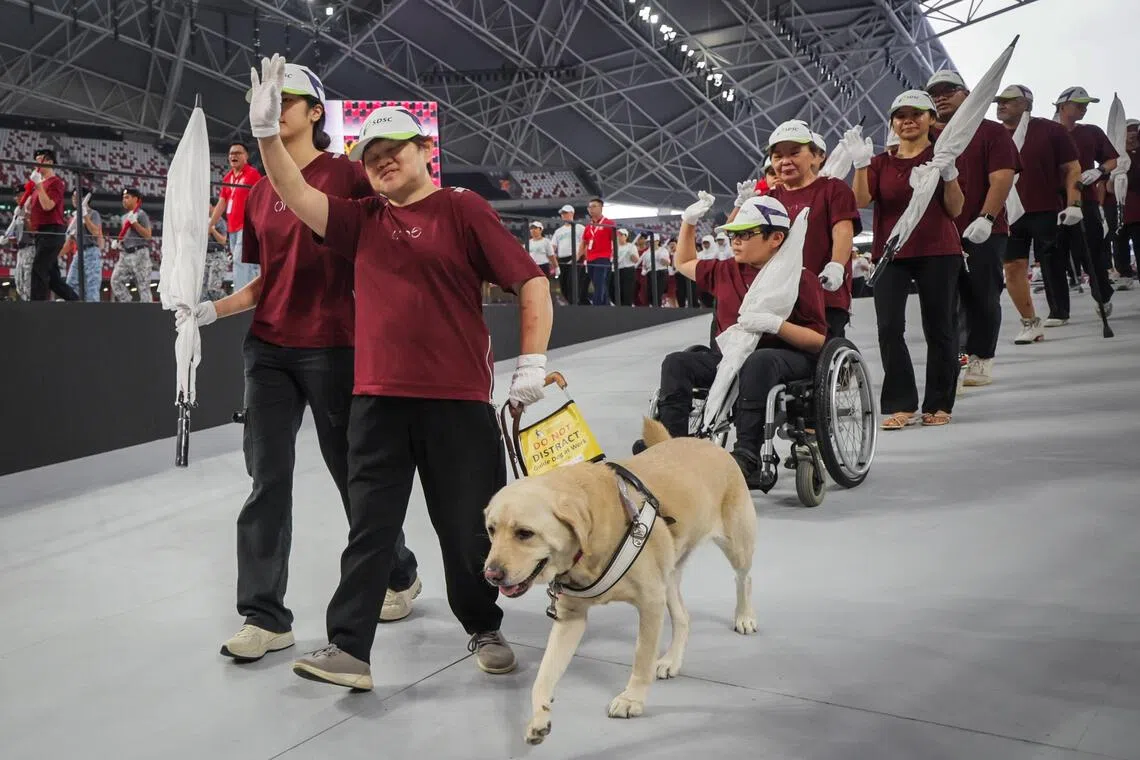
Singapore's first people with disabilities contingent is training for the 2026 National Day Parade. The contingent includes those with physical, intellectual disabilities and autism. Rehearsals are held at the National Stadium with special support to ensure inclusivity and comfort.
Imagine a big parade where people with disabilities get to march and show off their skills. It's a big deal because it shows that people with disabilities can do the same things as everyone else. The people in the parade are very excited to be a part of it and to show everyone that they can contribute to society.
Analysis
A New Era of Inclusion for Singapore's National Day Parade
The 2026 National Day Parade (NDP) is set to be a historic event for Singapore, with the inclusion of its first contingent of people with disabilities (PWDs). This milestone marks a significant step towards greater inclusivity and acceptance of PWDs in Singaporean society. The contingent, led by former para-athlete Yap Qian Yin, includes individuals with physical and intellectual disabilities, as well as autism. They will be joining other civilian contingents at the NDP, showcasing their skills and talents to the public.
The training process for the contingent has been rigorous, with rehearsals held at the National Stadium for 12 hours on Saturdays. The participants have been working hard to perfect their marching skills, with some even switching to using wheelchairs to make the experience more accessible. The contingent has also been provided with special support, including quiet rooms and holding areas, to ensure their comfort and inclusivity.
For participants like Keith Pah, a Primary 6 pupil from Seng Kang Primary School, the experience has been life-changing. Keith, who has Charcot-Marie-Tooth disease, a genetic condition that affects muscle strength in his limbs, is proud to be part of the contingent. His grandmother, Tan Kim Choo, will be pushing his wheelchair during the parade, and he is excited to be a part of this historic event.
The inclusion of PWDs in the NDP is a significant step towards greater acceptance and understanding of their abilities and contributions. It highlights the importance of visibility and representation, and shows that PWDs can contribute and participate in society just like anyone else. As Yap Qian Yin, the leader of the contingent, said, 'It is time society knows we can contribute.'
The success of this contingent will pave the way for future generations of PWDs to participate in the NDP and other national events. It will also raise awareness and promote acceptance of PWDs in Singaporean society, and inspire others to follow in their footsteps.
Key points
- Singapore's first people with disabilities contingent is training for the 2026 National Day Parade.
- The contingent includes individuals with physical and intellectual disabilities, as well as autism.
- Rehearsals are held at the National Stadium with special support to ensure inclusivity and comfort.
- The inclusion of people with disabilities in the National Day Parade highlights the importance of visibility, acceptance, and contribution of people with disabilities in society.
- The contingent is led by former para-athlete Yap Qian Yin, who won gold for Singapore in para-sailing at the 2014 Asian Para Games and the 2015 ASEAN Para Games.
The inclusion of people with disabilities in the National Day Parade will raise awareness and promote acceptance of their abilities and contributions. It will also pave the way for future generations of people with disabilities to participate in national events and contribute to society.
However, there may be challenges in ensuring the inclusivity and comfort of people with disabilities during the parade. This could include issues with accessibility, accommodations, and support for participants with different types of disabilities.