Marginalization in Iran: How Millions Were Pushed Out of Cities
Rising rents, inflation, drought, and weak jobs have pushed many Iranians from city centers to the urban fringe.
Intelligence analysis by GPT-5.4 Mini
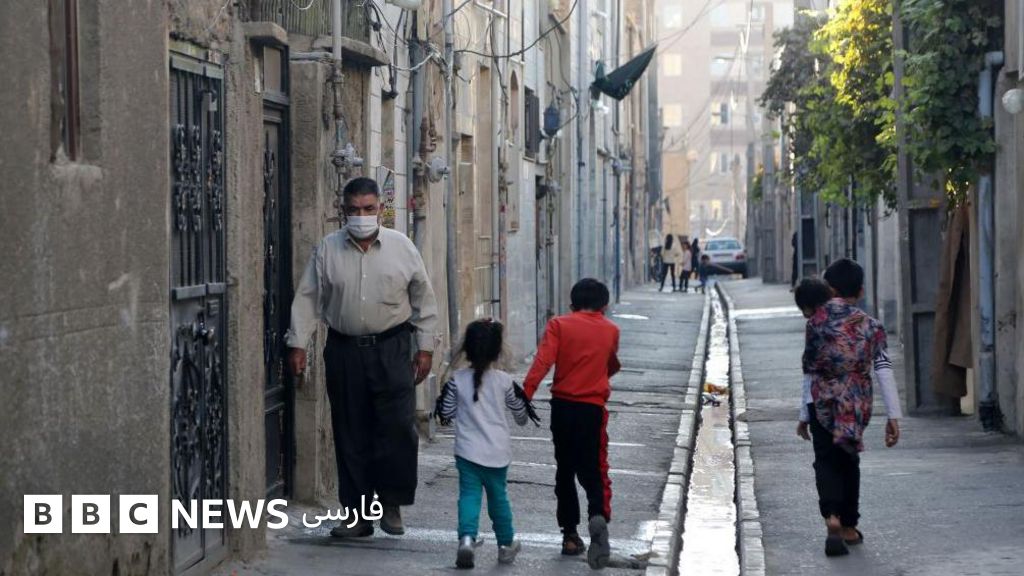
BBC Persian traces how Iran's housing squeeze and long economic pressure have turned marginalization into a nationwide problem, not just a rural migration story. The article follows families forced farther from city cores as each move becomes less affordable.
Iran's cities have become so expensive that many families have had to move farther and farther away, like being pushed from the middle of a game board to the edge. The article says drought, war, inflation, and high rent all helped shove people out.
Analysis
A family pushed outward
The article opens with Zahra and Abbas, a couple who left a village near Saveh more than 20 years ago because of drought, lack of water, and agricultural collapse. They first settled in southern Tehran, but medical costs, falling income, and repeated rent increases forced them farther out, first to Islamshahr and then to Mianabad. Their story is used as a window into a much larger pattern.
Three waves of marginalization
The piece says researchers usually describe three main waves of marginalization in Iran. The first began in the 1960s and 1970s, when land reform, uneven oil-driven growth, and the concentration of jobs in big cities pulled large numbers of rural residents into urban areas. Many could not afford formal housing, so informal settlements began to grow around major cities.
The second wave came in the 1980s and 1990s. The Iran-Iraq war, destruction in border regions, population growth, and continued internal migration expanded the fringe areas around cities even more.
The article argues that the third and most important wave started in the 2010s. This phase was driven by sanctions, a falling rial, chronic inflation, economic stagnation, and a sharp jump in housing prices. Unlike earlier periods, the people pushed outward were not only rural migrants. Workers, employees, teachers, and middle-class families also found themselves unable to keep up with rent or buy housing in the city.
Beyond the housing market
The article also links marginalization to repeated droughts in places such as Sistan and Baluchestan, Kerman, Khorasan, and Yazd, where falling water supplies have hurt farm incomes and encouraged migration. It notes that policies meant to settle nomadic groups also contributed to the growth of peripheral communities.
Sociologist Hossein Ghazian, quoted by BBC Persian, distinguishes between geographic marginalization, meaning life on the edge of large cities, and social marginalization, meaning areas left behind for economic, ethnic, religious, or political reasons. He argues that inequality is the main driver: when people can no longer afford life in the urban core, they are pushed outward.
The article points to places like Parand, Pardis, Islamshahr, and Robat Karim as newer examples, where many residents work in Tehran but live outside it because housing is too expensive. The result is a widening belt of neighborhoods that often lack basic urban services.
Key points
- The article centers on a Tehran-area family whose repeated moves reflect a broader national pattern.
- BBC Persian says Iran has seen three major waves of marginalization since the 1960s.
- The latest wave has been driven by sanctions, inflation, falling currency value, and rising housing costs.
- Drought and falling agricultural income have also pushed people out of rural areas.
- The article says marginalization now affects workers, employees, and middle-class households, not only rural migrants.
If housing costs ease and jobs improve, fewer families may be forced into the city fringe. The article suggests that better access to water, services, and fairer development could reduce the pressure that keeps pushing people outward.
If inflation, sanctions pressure, and housing shortages continue, more workers and middle-class families may be pushed into under-served peripheral settlements. The article also suggests that drought and uneven development could keep widening the gap between the urban core and the margins.