Marjane Satrapi: a global account of Iran
An obituary-profile of Marjane Satrapi, the Iranian-French artist whose 'Persepolis' turned her childhood into a global story.
Intelligence analysis by GPT-5.4 Mini
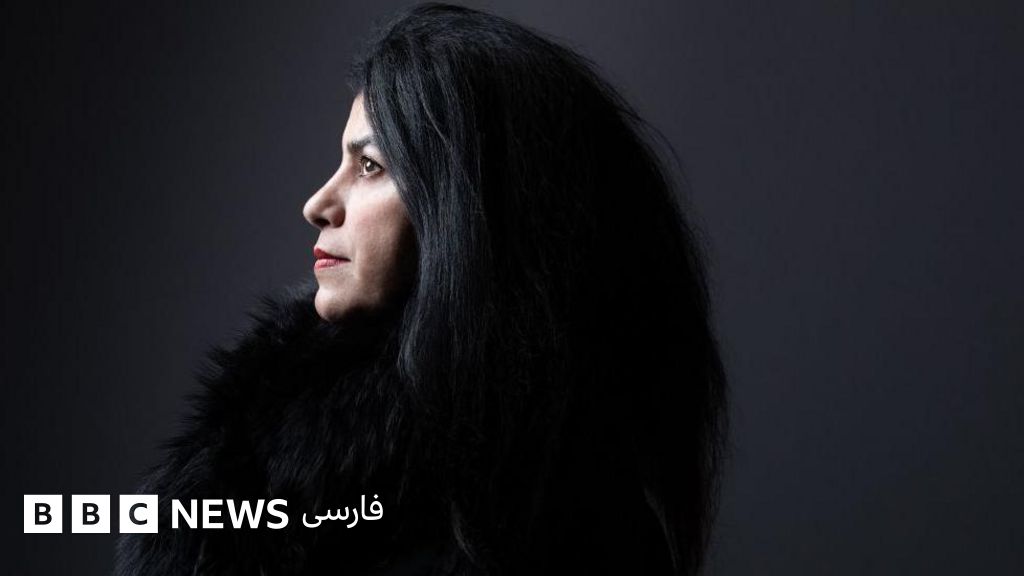
BBC Persian says Satrapi became one of the most important narrators of women’s repression and political violence in modern Iran. Through the personal lens of 'Persepolis,' she brought revolution, war, exile, and resistance into the global art world.
Marjane Satrapi told the story of her own childhood in Iran like a comic book diary. That diary, called 'Persepolis,' helped people far away understand what life was like during revolution, war, and strict rules.
Analysis
From Rasht to global recognition
Marjane Satrapi, the Iranian-French writer and filmmaker who died in Paris at 56, is presented here as one of the most important chroniclers of women’s repression in modern Iran. The article says her family had left-wing political roots, and that political violence shaped her childhood from an early age. Her uncle Anoush, a prominent member of the Communist Party of Iran, was executed, and that loss became part of the background to her later work.
'Persepolis' as personal history
BBC Persian describes Persepolis as Satrapi’s defining work: a black-and-white graphic memoir about growing up under the Islamic Republic, alongside the painful end of childhood during the Iran-Iraq war. The article says the book shows how schools became Islamic, hijab became compulsory, and everyday life changed under ideology and fear. Satrapi also portrayed teenage rebellion in small acts such as listening to Western music in secret and wearing forbidden clothes.
Why her voice travelled
The article emphasizes that Satrapi did more than tell a private story. By turning her childhood into art, she helped readers around the world understand the Iranian انقلاب, the war with Iraq, exile, and the contradictions of modern identity from inside, not from a distance. Her work was also a direct rebuttal to stereotypes about Iran; she argued that television images reflected only what a dictatorship allowed people to see.
Career and legacy
Satrapi studied visual communication in Tehran, later moved to Europe, and continued working in illustration, children’s books, and publishing. Persepolis won the Angoulême International Comics Festival prize in 2001, was adapted into a film in 2007 by Satrapi and Vincent Paronnaud, and won two César awards plus the Jury Prize at Cannes. The article frames her as a rare artist who made a deeply personal Iranian story into a universally recognized cultural work.
Key points
- Marjane Satrapi died in Paris at 56, according to the article.
- BBC Persian presents her as a major chronicler of women’s repression in modern Iran.
- Her graphic memoir 'Persepolis' linked her childhood to the Iranian Revolution and the Iran-Iraq war.
- The article says she challenged stereotypes about Iran and showed a more complex reality.
- 'Persepolis' was later adapted into a film and won major awards in France and at Cannes.
If her books and films continue to be read and watched, they can keep helping new audiences understand Iran through lived experience rather than stereotypes. The article shows that her work already crossed languages and countries, so its reach may remain strong.
Her death removes a distinctive voice that connected Iranian history to a global audience in a personal way. The article also suggests how much her work depended on her own perspective, so future readers may lose the direct force of that witness.