Martyred Leader funeral to be held after Muharram's first ten days
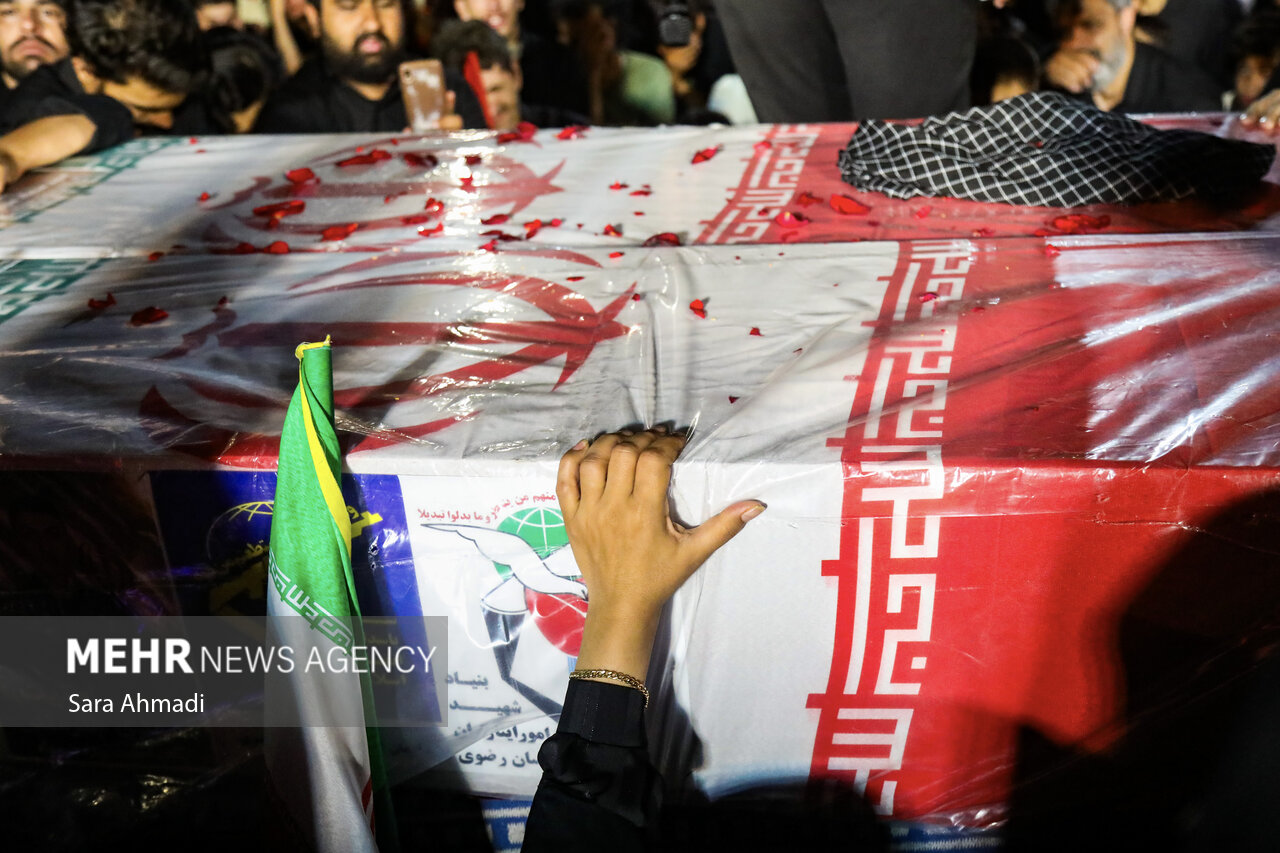
Iran says funeral, farewell and burial ceremonies for Ayatollah Seyyed Ali Khamenei will be held after the first ten days of Muharram.
Intelligence analysis by GPT-5.4 Mini

Mehr reports that the commemoration headquarters for Ayatollah Seyyed Ali Khamenei has set the funeral and burial ceremonies for after Ashura’s first ten days. It says the timing is meant to respect mourning traditions and that final logistics will be announced later.
Iran says the big goodbye ceremony for its leader will happen after the first ten days of Muharram, like waiting until the first part of a school ceremony is over before starting the main part. Officials say they want to keep things respectful and organized.
Analysis
What was announced
Mehr says the committee responsible for commemorating the late leader of the Islamic Revolution announced that farewell, funeral, and burial ceremonies will take place after the first ten days of Muharram. The statement says the schedule was chosen to follow the mourning period for Imam Hussein and to respect the wide observance of Muharram across Iran and the wider Islamic world.
What the statement emphasized
The headquarters said preparations are underway so the ceremonies can be held with dignity. It also warned against spreading speculation or unverified reports about the timing and details of the events, saying such rumors have caused confusion for people who want to attend.
Logistics and public coordination
According to the report, final scheduling and logistical arrangements are being coordinated by relevant authorities and public organizations. The article says more detailed information will be released later by the headquarters.
Context in the report
Mehr also repeats a broader political framing, saying the United States and Israel launched an unprovoked war on Iran on February 28 and that this led to the martyrdom of Ayatollah Seyyed Ali Khamenei, senior military officials, and civilians. That claim is presented as part of the article’s narrative, not independently verified in the text.
Overall, the piece is an announcement story focused on ceremony timing, public coordination, and the state’s effort to control speculation around a high-profile mourning event.
Key points
- Iran says the funeral and burial ceremonies will be held after the first ten days of Muharram.
- The commemorative headquarters says the timing respects Ashura mourning customs.
- Officials warned against unverified reports about the ceremony schedule and details.
- Final logistical arrangements are still being coordinated and will be announced later.
- The article frames the event as part of a wider context of conflict and martyrdom.
If the schedule holds, the ceremonies could proceed in an orderly way and match the mourning customs the statement says it wants to honor. Clearer logistics may also reduce confusion for people planning to attend.
If rumors keep spreading or details remain unclear, attendees could face confusion about timing and arrangements. The scale of the event could also create crowd-management and coordination challenges for authorities.