Massive overnight Russian strikes hit Ukraine killing at least five
Russia launched a major overnight attack on Ukraine, killing at least five people and injuring dozens. Kyiv, Dnipro and Zaporizhzhia were among the places hit.
Intelligence analysis by GPT-5.4 Mini
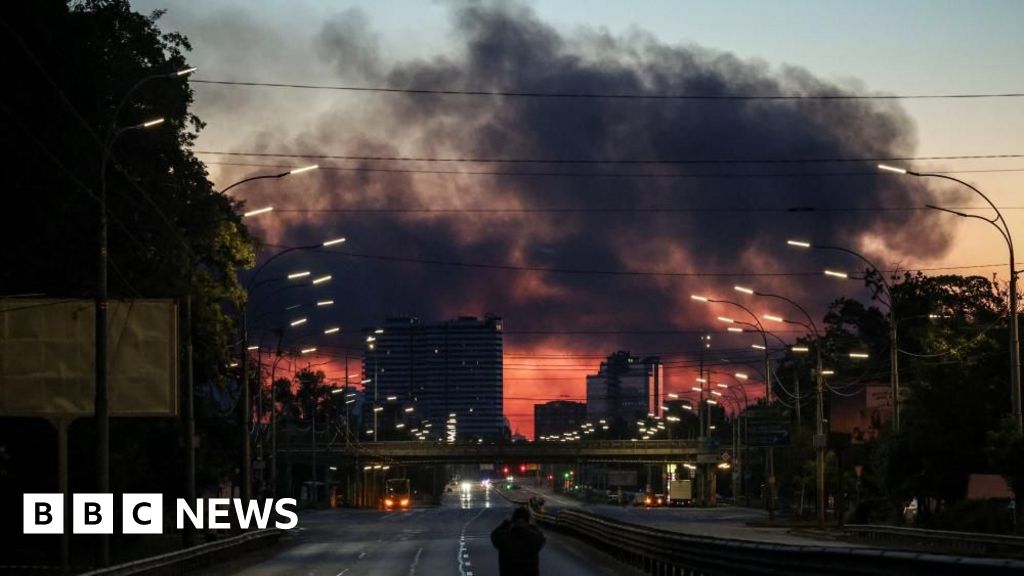
Russia carried out a large overnight missile and drone assault across Ukraine, with deaths and injuries reported in Kyiv and Dnipro. The attack disrupted life in the capital, where people sheltered underground and officials warned the damage was still unfolding.
Russia sent missiles and drones into Ukraine during the night. That hurt people in several cities, including Kyiv and Dnipro, and at least five people died.
Many people ran to shelters while smoke, fires and power cuts spread through parts of the capital. It was like trying to sleep while loud thunder keeps crashing very close by.
Officials said the damage was still being checked. The story shows that the war can still reach homes, apartments and streets very suddenly.
Analysis
What happened
Russia launched a major overnight strike on Ukraine, using missiles and drones across much of the country. The BBC reports at least five people were killed and dozens injured, with deaths confirmed in Dnipro and Kyiv.
Impact in Kyiv and beyond
In Kyiv, air raid warnings covered most of the country as people moved into shelters during the attack. Smoke rose over the city, explosions were heard, and officials warned residents to stay protected. Kyiv Mayor Vitali Klitschko said two high-rise apartment buildings were hit, and there were fears that people could be trapped under rubble. Blackouts and fires were also reported, while the full scale of damage in the capital was still being assessed. An industrial site in Zaporizhzhia was also struck.
Background
The attack follows warnings from Ukrainian President Volodymyr Zelenskyy, who said intelligence suggested a major Russian strike could be coming and urged residents to watch air alerts closely. The article also notes that Russia had recently threatened further strikes on military and decision-making targets in Kyiv and told foreigners to leave the city. Moscow linked those threats to a drone strike last month on a dormitory in Russian-held Luhansk that killed 21 people.
Why this round matters
The reporting shows the war remains capable of causing sudden civilian harm deep inside major cities. It also highlights the continuing strain on Ukraine’s air defenses, emergency services and city infrastructure as attacks arrive with little warning.
Key points
- At least five people were killed and dozens were injured in overnight strikes on Ukraine.
- Dnipro reported four deaths, while Kyiv reported one death and at least 20 injuries.
- Officials said two high-rise apartment buildings in Kyiv were hit and people may be trapped.
- Blackouts and fires were reported in Kyiv, and an industrial facility was attacked in Zaporizhzhia.
- Zelenskyy had warned that a major Russian strike could be coming.
If air-raid alerts and sheltering reduce casualties, more people may survive future attacks. Clear warnings and quick emergency response could also limit damage until the full extent of strikes is known.
The attacks could deepen civilian harm if more people remain trapped under rubble or if blackouts and fires spread. Repeated strikes on cities may also keep pressure on Ukraine’s air defenses and emergency services.