‘Maximal’ Ban on Insider Trading Would Hurt Prediction Markets, Says Researcher
A Stevens Institute of Technology researcher says prediction markets work best with calibrated insider-trading enforcement, not a total ban.
Intelligence analysis by GPT-5.4 Mini

The paper argues that some insider trading can improve price accuracy by bringing real information into prediction markets, but overly strict rules can also discourage participation. The study lands as Kalshi tightens its own controls and US regulators scrutinize insider trading risk.
Prediction markets are like a big guessing game where prices change as people share what they know. The researcher says banning all special knowledge is too harsh, because some of that knowledge helps the game be smarter, like adding good clues to a puzzle.
Analysis
Core finding
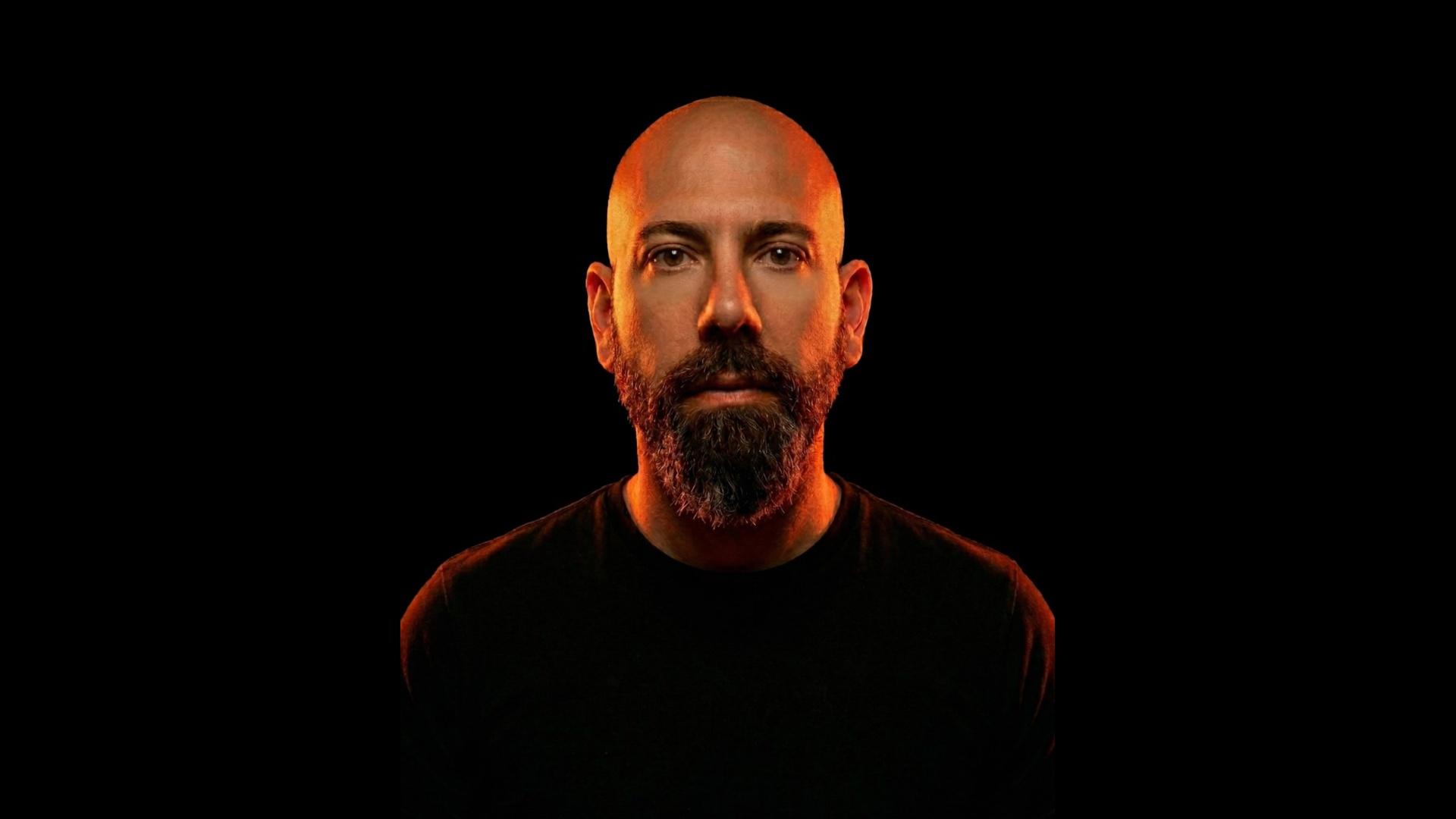
The article centers on a paper by Balbinder Singh Gill, an assistant professor of finance at the Stevens Institute of Technology, who built a formal model for prediction markets and insider trading. His conclusion is that price accuracy is not maximized by either extreme: too little enforcement can let insiders crowd out ordinary participants, while too much enforcement can remove useful information from the market.
Gill describes the relationship as "hump-shaped" in enforcement intensity. In his framing, some insider activity can make prices more accurate today, but if enforcement is too weak, other traders may stop participating because they believe the game is rigged. That reduced participation can make prices less informative over time.
Different kinds of information
The paper argues that enforcement should depend on the source of the information. Research-based information, where a trader worked to uncover an edge, should face the lightest touch because punishing it could reduce valuable information production. Misappropriated information, such as leaked or classified data, deserves stronger enforcement. Cases where a trader can influence the outcome, such as a political candidate betting on their own race, warrant the toughest response.
Policy and market context
The article says this debate is active right now. The CFTC’s chief enforcement director warned insider traders in April. In May, US House lawmakers launched a probe into Kalshi and Polymarket over insider trading. Kalshi is also adding new checks for some sensitive markets, including employer disclosure for users betting on company performance or national security, plus a specific risk score for higher-risk markets.
The broader message is that prediction market enforcement may work best when it is calibrated to the type of information and the risk of manipulation rather than imposed as a blanket prohibition.
Key points
- A Stevens Institute of Technology researcher says prediction markets should not face a total insider-trading ban.
- The paper argues that market accuracy is best when enforcement is calibrated, not maximal.
- The study says different information sources deserve different levels of enforcement.
- Kalshi is adding employer disclosure rules and market risk scores for sensitive markets.
- US regulators and lawmakers are already scrutinizing insider trading on prediction platforms.
If regulators and platforms use a more careful rulebook, prediction markets could stay open to valuable information while still blocking the worst abuse. Kalshi’s new disclosure and risk-scoring steps suggest platforms can tighten controls without shutting down the markets entirely.
If enforcement becomes too strict, people with useful information may stop participating, which could make prediction market prices less accurate. If enforcement stays too loose, insider trading and manipulation could scare away regular users and invite more regulatory backlash.