Measure against Fuel Prices: Klingbeil and EU Colleagues Demand Windfall Tax for Oil Companies
German Finance Minister Lars Klingbeil and five European counterparts are pushing for an EU-wide windfall tax on oil companies, citing high fuel prices and increased profits from the Iran war.
Intelligence analysis by Gemini 2.5 Flash
The proposal, outlined in a letter to Ireland's Finance Minister, aims to address the rising cost of living and the perceived failure of previous state measures to stabilize prices, by ensuring companies profiting from the crisis contribute to easing the burden on citizens.
Imagine gas prices are super high, making it expensive for grown-ups to drive cars and for businesses to run. Some big oil companies are making a lot more money because of this, especially due to a war far away. So, politicians like Lars Klingbeil from Germany and his friends in other European countries want these rich oil companies to pay a special extra tax on their big profits to help everyone else with the high costs.
Analysis
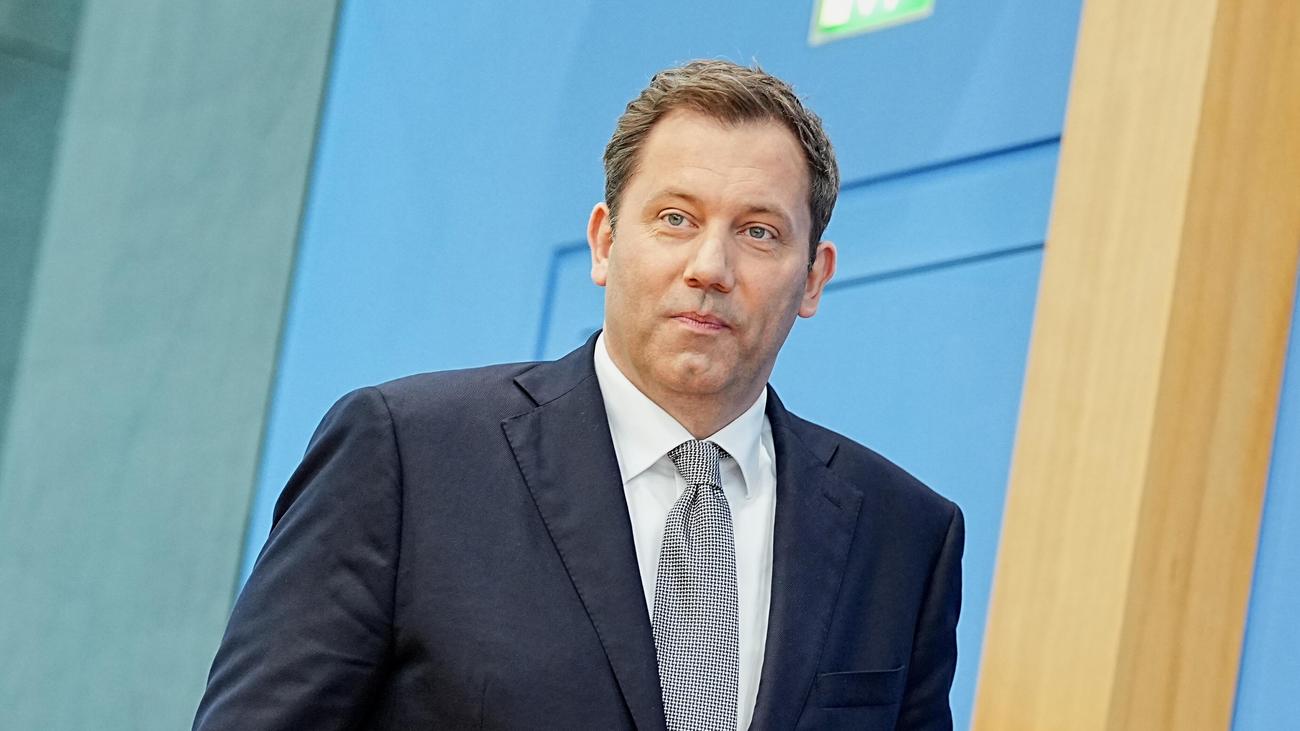
Lars Klingbeil
German Finance Minister Lars Klingbeil, a prominent figure from the Social Democratic Party (SPD), has taken a leading role in advocating for a European windfall tax on oil companies. His involvement underscores Germany's commitment to finding solutions for the persistent high fuel prices impacting its economy and households. The joint letter, co-signed by ministers from Portugal, Spain, Austria, Italy, and Poland, highlights a concerted effort among several EU member states to address a shared economic challenge.
Klingbeil and his colleagues argue that existing national measures have proven insufficient in providing lasting relief from elevated energy costs. Their proposal for a windfall tax is framed as a necessary step to ensure fairness, compelling companies that have significantly benefited from recent market disruptions to contribute to the broader societal welfare. This move reflects a growing sentiment within parts of the EU that extraordinary profits during crises should be subject to special levies.
Irankrieg
The core justification for the proposed windfall tax is the assertion that oil companies have reaped increased profits primarily due to the "Irankrieg" (Iran war). The ministers' letter explicitly states that this conflict has triggered "one of the biggest supply shocks in decades," leading to a global surge in the cost of living. This framing directly links geopolitical instability to corporate earnings, suggesting that these profits are not a result of innovation or efficiency but rather an external crisis.
The argument posits that these war-related profits are 'excessive' or 'unearned' in the context of the broader economic hardship faced by citizens and businesses. By attributing the profit surge to the conflict, the proponents of the windfall tax aim to establish a moral and economic basis for intervention. The goal is to redistribute some of these crisis-driven gains to mitigate the financial burden on the general population, which has been struggling with inflation and higher expenses.
Ireland's Presidency
The joint letter from the six EU finance ministers was specifically addressed to the Finance Minister of Ireland, as Ireland currently holds the EU Council Presidency. This strategic targeting indicates an intent to leverage Ireland's leadership position within the Council to advance the proposal on a broader European stage. The EU Council Presidency plays a crucial role in setting the agenda and facilitating discussions among member states, making it a key gateway for new policy initiatives.
By engaging the Presidency, the ministers hope to garner wider support and push for a common EU-level approach to the windfall tax. A unified European strategy is deemed essential because individual national measures have not achieved the desired long-term price stability. The call for a "common approach" emphasizes the need for coordinated action to ensure that the burden of the crisis is shared more equitably across the continent, rather than relying on fragmented national responses.
Key points
- German Finance Minister Lars Klingbeil and five EU colleagues are advocating for a windfall tax on oil companies.
- The proposal is a response to high fuel prices and increased corporate profits attributed to the Iran war.
- The ministers argue that current state measures have failed to permanently lower or stabilize prices for citizens and businesses.
- The letter, addressed to Ireland's Finance Minister (current EU Council President), calls for a common EU approach.
- The aim is to ensure companies profiting from the crisis contribute to reducing the burden on the general population.
If successfully implemented, the proposed windfall tax could help alleviate the financial pressure on European citizens and businesses struggling with high energy costs, potentially stabilizing prices and demonstrating a unified EU response to economic crises.
The implementation of such a tax could face significant resistance from the oil industry and might prove challenging to coordinate effectively across diverse EU member states, potentially leading to delays or an outcome that does not significantly impact consumer prices.