Meta Has Pulled Out Of A Renewable Energy Initiative As It Relies More On Natural Gas For Data Centers
Meta has left the RE100 renewable energy initiative after committing to 10 natural gas plants since last year to power its AI data centers.
Intelligence analysis by Llama
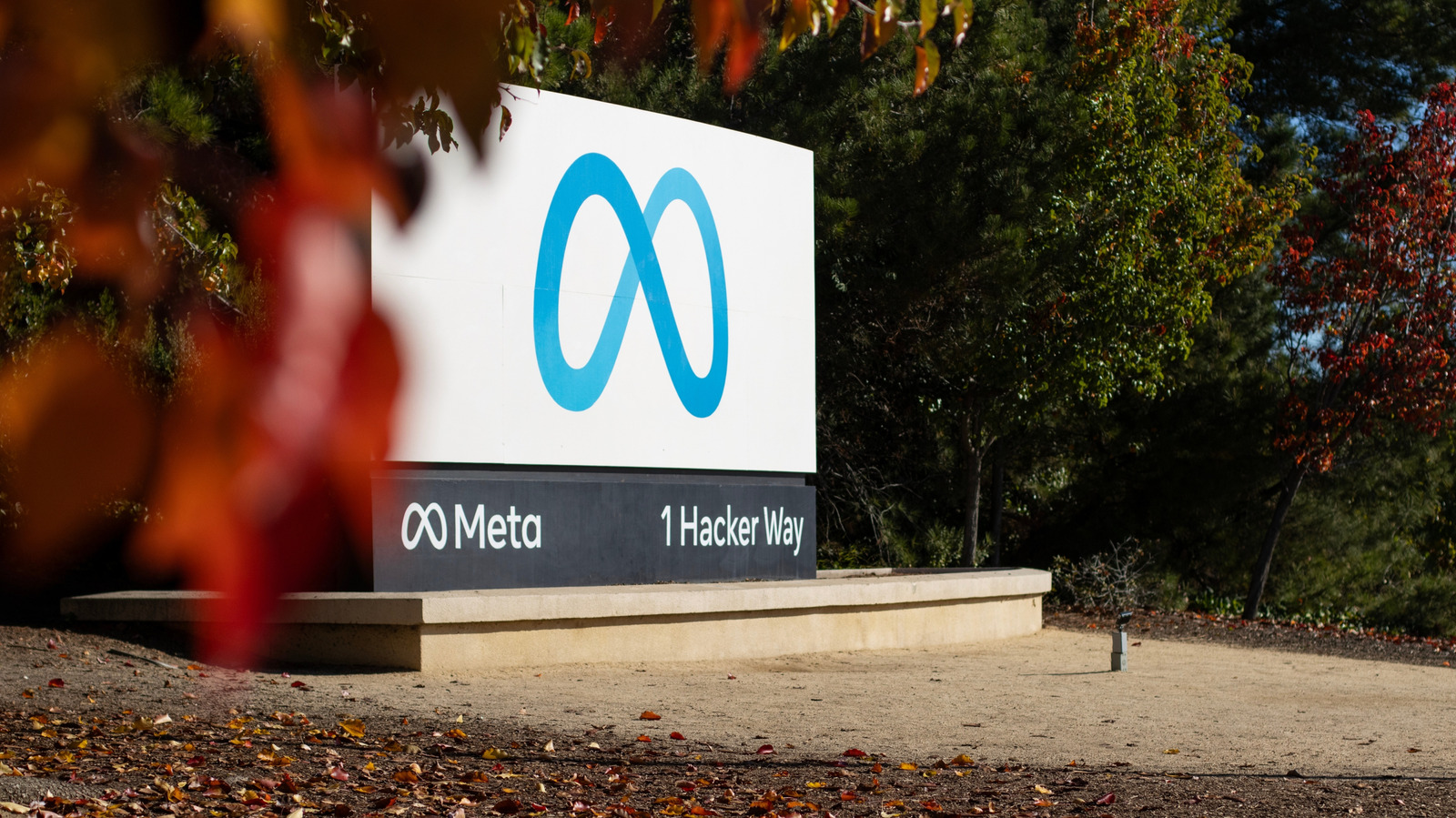
Meta has exited the RE100 climate pact, citing new investments in natural gas power for its AI data center fleet. The company still claims a '100% clean and renewable' goal, but critics say the gas buildout makes that harder to defend.
Meta used to promise to use only clean energy for its huge computer buildings. Now it's building lots of natural gas plants to power its AI tools, so it left a club that tracks clean energy promises. Some experts wonder if Meta can still say it uses only clean power when it's funding so many gas plants.
Analysis
A Decade-Long Climate Pledge Unravels
Meta signed on to RE100 in 2016 with a target of sourcing 100 percent renewable electricity by 2020. Nearly a decade later, the company has quietly exited the initiative, a reversal first reported by Recharge. RE100, overseen by UK nonprofit Climate Group, counts more than 400 members including Microsoft, Google, and Apple, all of which remain in the pact and continue to publicly back 100 percent renewable goals.
Climate Group told Recharge that Meta "is no longer able to meet the technical criteria due to investments made in new gas power." Meta pushed back to TechCrunch, calling the departure a "mutual" decision and reaffirming its commitment to "100% clean and renewable energy." The framing gap is itself the story: the operator of the pact attributes the exit to gas, while the company continues to assert the same renewable language that originally drew it to RE100.
The Gas Buildout Behind the Exit
The reason Meta no longer meets RE100's criteria is concrete. The company has now committed to 10 natural gas power plants since last year, including seven announced earlier this year to help fuel its data centers. According to TechCrunch, the combined output of those 10 plants would be enough to power the state of South Dakota.
The pivot reflects how AI infrastructure has redrawn the energy calculus for Big Tech. Training and serving large models requires constant, dense, and geographically flexible power, and natural gas offers a faster path to scale than waiting for new renewables plus storage to come online. Meta's rivals in RE100 are also adding gas capacity, but they have not exited the pact, which makes Meta's move stand out as the first major defection of a US tech giant from the group.
The Credibility of '100% Renewable'
Companies typically satisfy RE100-style pledges in part by purchasing energy attribute certificates, which let them claim the renewable output of a project elsewhere on the grid even when their own facilities pull from fossil-heavy sources. That accounting approach has long drawn criticism, but it has generally held up as long as the gap between claims and physical consumption stayed narrow.
Meta's gas buildout widens that gap considerably. As one analyst told Recharge, "a 100 percent renewable claim becomes harder to defend" when a company is directly funding 10 fossil plants. The tension between Meta's continued public commitment to clean energy and the physical reality of new gas capacity on its balance sheet is now the central question for climate advocates, ESG-focused investors, and regulators watching the footprint of the AI buildout.
Key points
- Meta has exited the RE100 renewable energy initiative, first reported by Recharge.
- Climate Group said Meta 'is no longer able to meet the technical criteria due to investments made in new gas power.'
- Meta has committed to 10 natural gas power plants since last year to support its AI data centers, per TechCrunch.
- Meta told TechCrunch it remains committed to '100% clean and renewable energy' and called the split a 'mutual' decision.
- Analysts warn that funding that much new gas capacity makes a 100 percent renewable claim 'harder to defend.'
Meta says it remains committed to '100% clean and renewable energy' and that the RE100 exit was mutual, suggesting the company plans to keep pursuing renewables on its own terms. The gas plants can also serve as bridge capacity while longer-term clean energy projects and storage come online to support the AI buildout.
With 10 natural gas plants now in its pipeline, the gap between Meta's renewable claims and its actual energy mix is widening, which makes the '100% clean and renewable' pledge harder to defend. The exit also gives rivals in RE100 less incentive to stay if regulators or ESG investors start treating the pact as toothless.