Meta Is Paying Creators in Stablecoins. Spending Them Is Someone Else's Problem
Meta’s USDC creator payouts validate stablecoins, but the article says the real challenge is turning them into usable local money.
Intelligence analysis by GPT-5.4 Mini
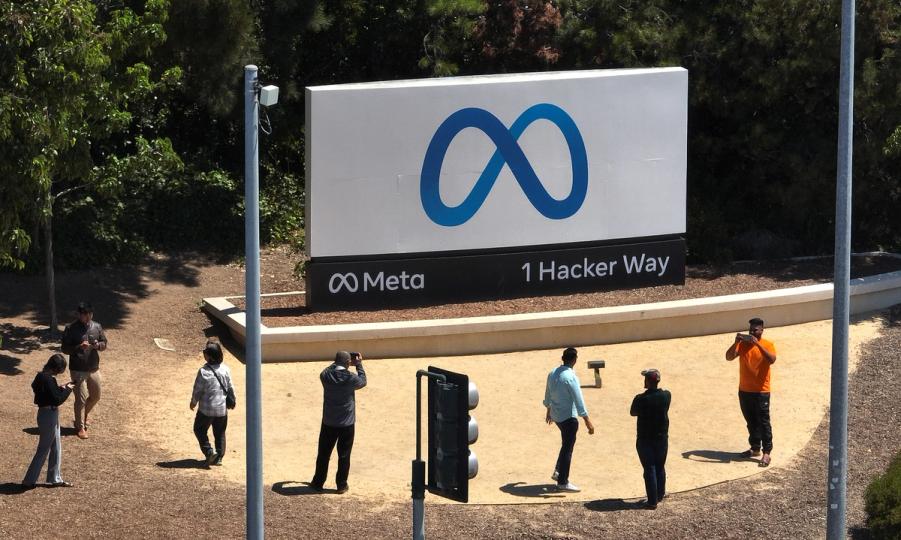
The piece argues that Meta’s stablecoin payouts are a major endorsement of onchain settlement, yet they still leave creators to handle wallets, networks, compliance, and cash-out on their own. That gap between digital settlement and everyday spending is presented as the next battleground for payments.
Meta is giving creators money in digital dollars called stablecoins. That is fast, but it is like getting a gift card that still has to be swapped for local cash before it can buy groceries, pay rent, or be used normally.
Analysis
Meta’s plan to pay creators in USDC across Colombia and the Philippines is presented as a meaningful sign that stablecoins are becoming a mainstream payout rail. The article notes that Meta handles roughly $3 billion in annual creator payments, so choosing onchain settlement over traditional banking is not a small experiment.
Settlement is not the same as usability
The author’s core point is that stablecoins solve one part of the payments problem: moving money quickly and cheaply across borders. But for many creators, especially in emerging markets, the harder step comes after the payout lands. They still have to connect wallets, choose a supported chain, manage custody, and then convert USDC into local currency through exchanges or liquidity providers.
That process adds fees, delays, compliance checks, and operational friction. The article argues that this friction sits outside Meta’s system, which means the creator is left to bridge the gap between digital dollars and day-to-day spending.
Why card networks look different
The article contrasts Meta’s approach with Mastercard and Visa. Mastercard’s BVNK deal is framed as a way to embed stablecoin settlement into existing reporting and compliance systems across many jurisdictions. Visa’s Bridge partnership is described as a model where users can spend stablecoin-linked balances at any Visa merchant, with conversion hidden in the background.
That difference matters because it shifts complexity away from the user. In the card model, stablecoins are invisible infrastructure; in Meta’s model, the creator has to deal with the crypto layer directly.
The bigger takeaway
The article concludes that the industry has largely proven that stablecoins can move value efficiently. The remaining test is whether off-ramps and user-facing spending tools can scale just as well. The winners, the piece suggests, will be the systems that make blockchain rails disappear from the user’s view.
Key points
- Meta is paying creators in USDC in countries including Colombia and the Philippines.
- The article says stablecoins already solve settlement, but not the full spending experience.
- Creators still need wallets, supported networks, exchanges, and local cash-out routes.
- Mastercard and Visa are presented as taking a different path by hiding stablecoins behind existing payment systems.
- The article argues that stablecoin adoption will scale only when the user never has to think about blockchain rails.
If the model works, it could make cross-border creator payouts faster and cheaper than bank transfers. It could also push more companies to build easier ways to turn stablecoins into local money, which would make digital dollar payouts more useful in everyday life.
The article shows that creators may still face wallets, exchanges, fees, and compliance checks after the payout arrives. If those off-ramps stay fragmented, stablecoin payments may remain efficient in theory but clumsy in practice for the people receiving them.