Michael Saylor in X back-and-forth over claims Strategy's latest share sale was dilutive
Strategy's latest bitcoin buy sparked debate after its BTC Yield slipped from 13.0% to 12.8%. Michael Saylor said the deal was still accretive once cash reserves were included.
Intelligence analysis by GPT-5.4 Mini
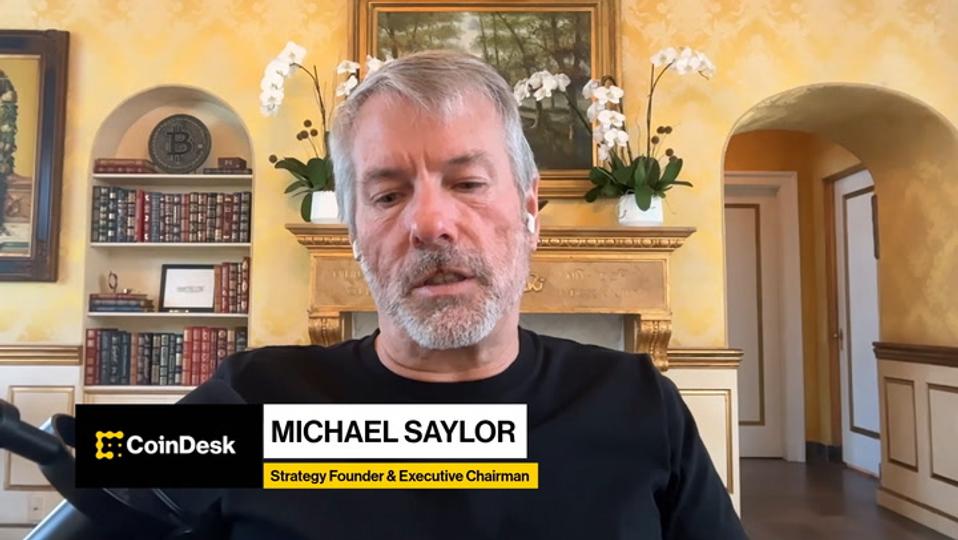
Strategy's newest bitcoin purchase set off a public argument on X about whether the company diluted shareholders. Critics pointed to a lower BTC Yield, while Michael Saylor said that metric is too narrow because the transaction also added cash to the balance sheet.
Strategy bought more bitcoin, but one scoreboard it uses went down a little. Michael Saylor said that scoreboard is only part of the story because the company also added cash, like putting money in both a piggy bank and a coin box.
Analysis
What happened
Strategy bought another 1,550 BTC, but its own BTC Yield metric fell from 13.0% to 12.8% over the same period. That drop triggered criticism from bitcoin advocate Matthew Kratter, who argued the latest capital raise was dilutive on a bitcoin-per-share basis.
The core dispute
The argument centers on how to judge shareholder accretion. Strategy's BTC Yield is designed to measure bitcoin holdings per assumed diluted share. By that measure, the latest figures look weaker: bitcoin holdings rose to 845,256 BTC, but assumed diluted shares also increased to 384.180 million, and BTC Gain YTD declined as well.
Michael Saylor pushed back on X, saying BTC Yield is only a narrow KPI because it ignores cash. He said the latest transaction also added about $100 million in U.S. dollar reserves, bringing total USD reserves to $1 billion. In his view, that makes the deal accretive when the full balance sheet is considered rather than only bitcoin per share.
Why the argument matters
The exchange matters because Strategy has long marketed bitcoin accumulation as a shareholder-friendly strategy, and the company has often highlighted BTC Yield as a key measure of success. Critics in the thread argued that the company is changing the frame once the old metric stops telling the desired story. Supporters of Saylor's view would say the right test is broader than a single KPI and should include liquidity and reserve growth.
For now, the article shows a familiar pattern: every new purchase is not just a bitcoin trade, but also a debate about how to measure value creation for MSTR holders.
Key points
- Strategy bought 1,550 more bitcoin, lifting holdings to 845,256 BTC.
- Its BTC Yield fell from 13.0% to 12.8% after the purchase.
- Matthew Kratter argued the deal was dilutive on a bitcoin-per-share basis.
- Michael Saylor said BTC Yield is too narrow because the transaction also added about $100 million in U.S. dollar reserves.
- The debate highlights tension over how to measure shareholder accretion at bitcoin-heavy companies.
If investors accept Saylor's broader balance-sheet argument, Strategy can keep presenting its purchases as value-adding even when BTC Yield slips. The added dollar reserves could also give the company more flexibility as it keeps buying bitcoin.
If investors focus mainly on BTC Yield, the latest decline could deepen doubts that the strategy is adding value per share. The criticism that Strategy is moving the goalposts could also make future capital raises and share sales harder to defend.