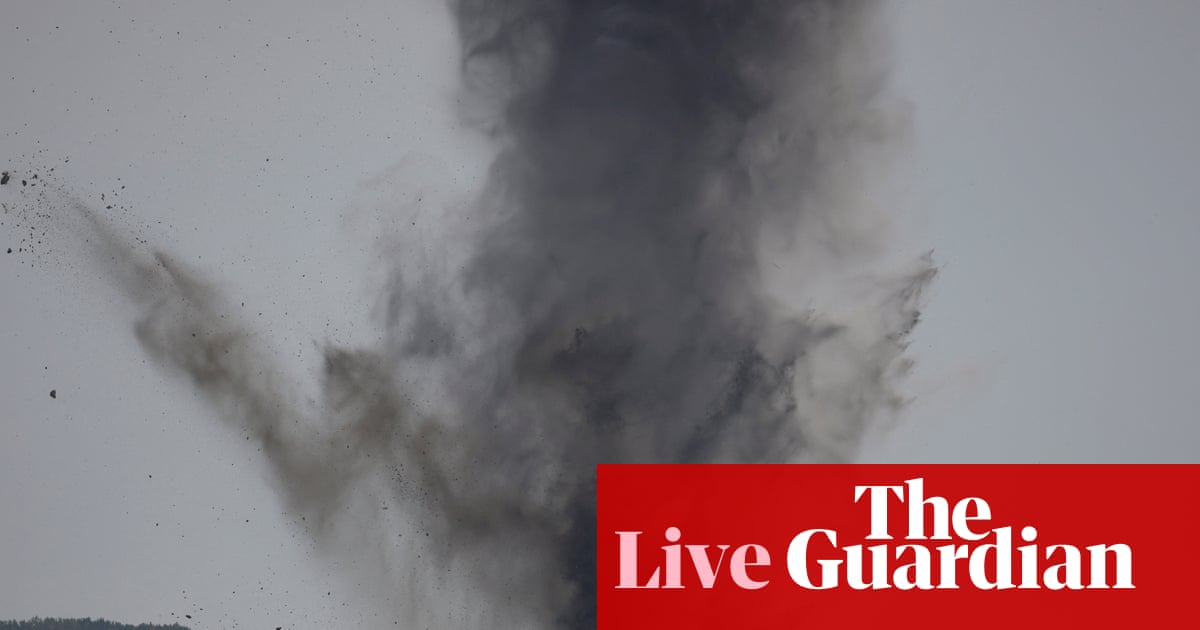
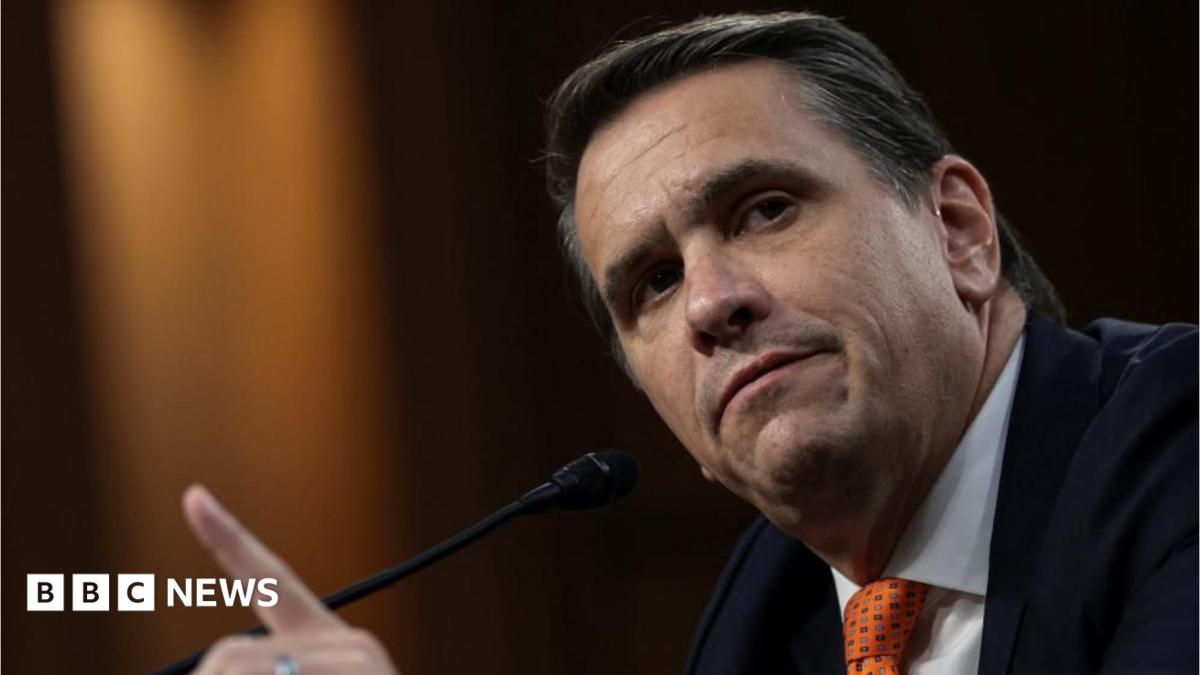
Middle East crisis live: Iran denies Trump's claims that talks due to take place
Iran's foreign ministry denies any scheduled talks with the US, contradicting President Trump's claim that negotiations would occur Monday. Oil prices fell 5% after Trump called off planned strikes on Iran following appeals from Gulf allies.
Intelligence analysis by Llama
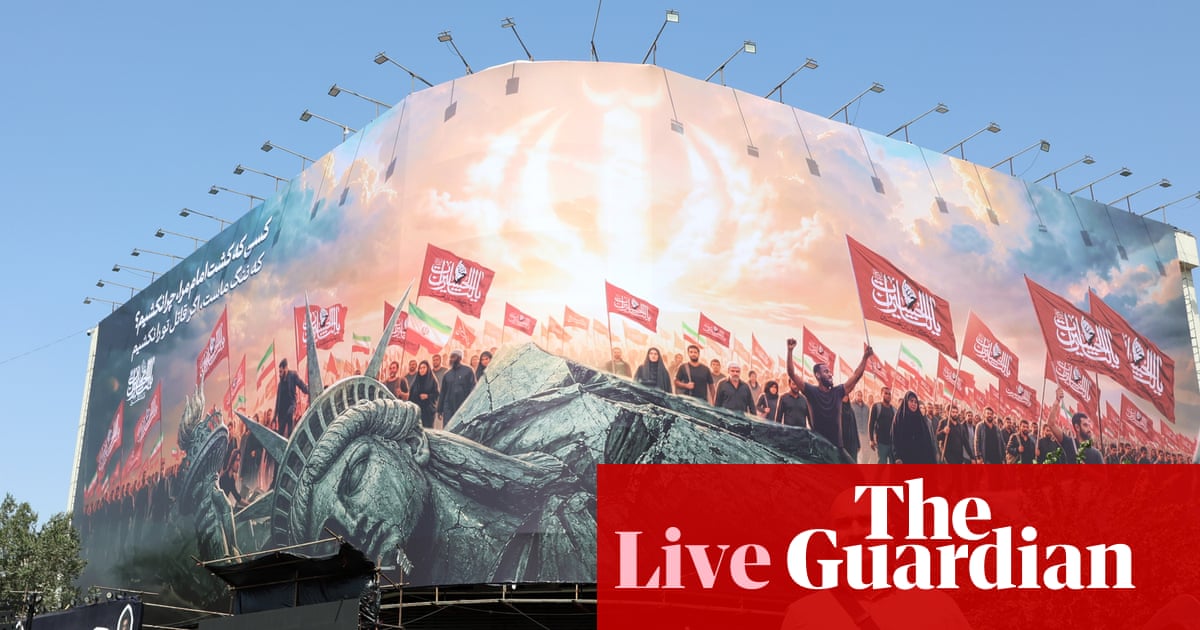
Iran publicly rejected Trump's assertion that US-Iran talks would take place Monday, saying Tehran is focused solely on negotiations with Oman over the Strait of Hormuz. The denial comes a day after Trump cancelled planned strikes on Iran at the urging of Saudi, Qatari, and Emirati leaders, sending oil prices sharply lower and European stocks higher.
Two leaders disagree about whether they're about to talk. Trump said yes, Iran's spokesperson said no, and so everyone got confused. Because they almost went to war, the price of oil dropped a lot when the fight was postponed — like when two kids almost fight in the playground and the teacher steps in, the other kids relax and play again.
Analysis
Tehran's Public Rejection of Trump's Timeline
Iran's foreign ministry spokesperson Esmaeil Baghaei told reporters on Monday that there are no current talks with the United States and no plans to receive or send a delegation, directly contradicting President Trump's Sunday night claim that negotiations would take place the following day. Baghaei framed Iran's diplomatic focus narrowly, telling Iranian state television that Tehran is working with Oman on a mutually acceptable shipping route through the Strait of Hormuz — "neither the northern route nor the southern route" — one that "respects the sovereign rights of both sides." The public denial is notable not only for its timing but for its tone: by going on the record with both Reuters and state media, Iran has raised the diplomatic cost for any later walk-back and signalled to Gulf mediators that Tehran is not yet ready to engage Washington directly, even as it negotiates adjacent maritime issues through a regional intermediary.
Gulf Mediation and the Economics of De-escalation
Trump's decision to hold off on strikes followed a direct appeal from Saudi Crown Prince Mohammed bin Salman, with Qatar and the UAE also lobbying against military action. "They said we would much prefer a deal as opposed to an attack, because you don't know where these attacks lead," Trump told reporters aboard Air Force One, framing the Gulf monarchies as a restraining influence. The episode underscores how Gulf states have positioned themselves as indispensable brokers in any US-Iran de-escalation, but it also reveals the fragility of that channel: if Iran is unwilling to confirm even the existence of talks, the diplomatic track is operating on Trump's announcements rather than on Iranian consent. Markets nevertheless read the cancellation as a near-term reprieve, with Brent crude falling as much as 5% to around $83.50 a barrel and West Texas Intermediate dropping more than $5 to $79.47, unwinding a portion of the 20%-plus surge recorded in July.
A Wider Crisis Beyond the US-Iran Axis
While the diplomatic theatre around US-Iran talks dominates headlines, the live blog catalogues a broader, grimmer picture across the region. Iran executed two people on Monday on charges of espionage for Israel, bringing the total to at least 50 executions on national security grounds in the past four months according to Human Rights Watch. Lebanon's state news agency reported that Israeli forces dropped phosphorus shells overnight in Yaroun, Haroun, and Bint Jbeil, sparking fires in olive and pine groves, an allegation consistent with international humanitarian law restrictions on the weapon. CNN separately reported that a US Central Command intelligence officer emailed military analysts seeking "creative and unconventional ways to pressure and punish Iran" before Trump's reversal. The juxtaposition of tentative de-escalation, continued kinetic operations, and active planning for further pressure suggests that even if a deal emerges, the underlying conflict architecture remains intact.
Key points
- Iran's foreign ministry publicly denied any scheduled US-Iran talks, contradicting Trump's Sunday announcement
- Iran says its diplomatic focus is on negotiations with Oman over a Strait of Hormuz shipping route
- Trump cancelled planned US strikes on Iran after calls with Saudi, Qatari, and Emirati leaders
- Brent crude fell roughly 5% and WTI dropped more than $5 following the strike cancellation
- Iran executed two people accused of spying for Israel, with at least 50 such executions in four months per HRW
- Lebanon's state media reported Israeli phosphorus shelling in three southern towns overnight
If a credible diplomatic channel does open, the Gulf states — particularly Saudi Arabia, which persuaded Trump to hold off — have leverage to keep both sides at the table. The simultaneous US-brokered Israel-Lebanon talks in Rome suggest a wider regional framework is conceivable, and a confirmed understanding on Strait of Hormuz shipping would materially reduce tanker attack risk and stabilise energy markets.
Iran's public denial raises the risk that Trump's announcement was premature or oversold, which could harden hawkish positions on both sides. The CentCom email seeking "creative" ways to pressure Iran, the executions of alleged Israeli spies, and continued phosphorus use in Lebanon all indicate the underlying conflict pressures remain live. A failed diplomatic window could see oil reverse sharply given how much of July's price surge was driven by Hormuz route fears.
Market signals
- OIL The article reports Brent fell as much as 5% to $83.50 a barrel after Trump cancelled planned strikes on Iran, partially unwinding July's 20%+ surge driven by Hormuz route fears.
- OIL WTI dropped more than $5 to $79.47 a barrel on the strike cancellation, reflecting reduced immediate supply-disruption risk according to the article.
AI-generated analysis of potential market relevance. Not financial advice.