Middle East crisis live: Israel and Iran exchange fresh round of strikes for first time since April ceasefire
Israel and Iran traded fresh strikes as tensions rose despite Trump’s push for calm. Iran blamed the US for ceasefire breaches and warned of wider escalation.
Intelligence analysis by GPT-5.4 Mini
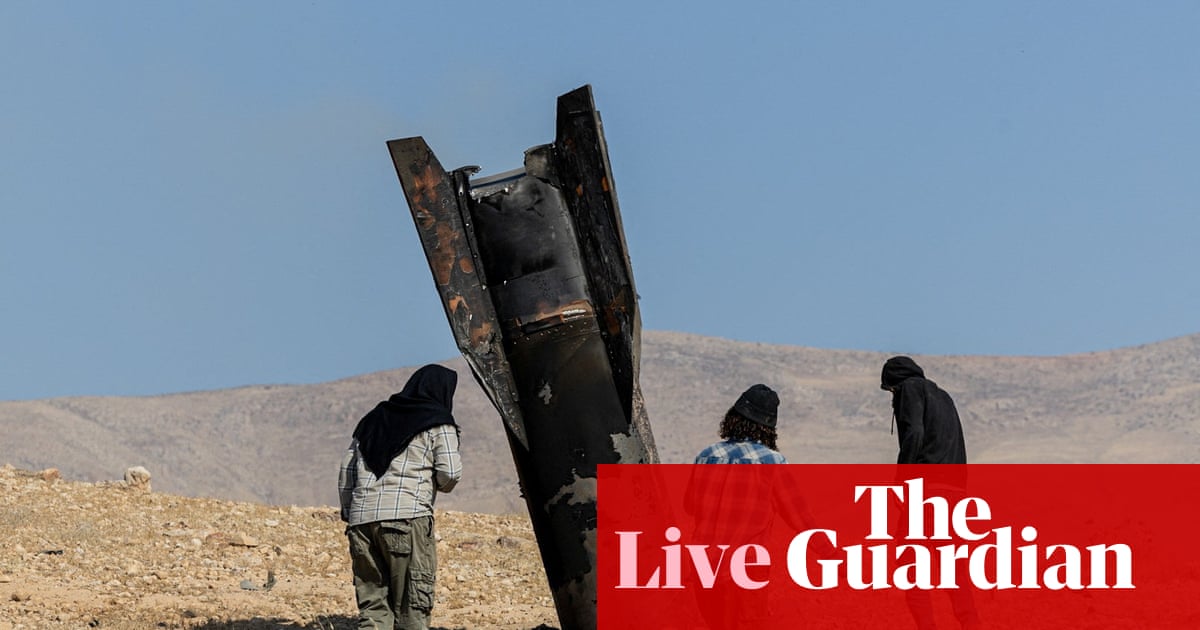
The live report says Israel and Iran have resumed direct strikes for the first time since the April ceasefire, with Iran responding after Israeli attacks in Beirut and elsewhere. Tehran is also casting the US as directly responsible for the breakdown and warning that escalation could spread across the region.
Israel and Iran are throwing punches again after a short pause, and the fighting is spilling into more places. It is like two kids restarting a fight in a crowded playground, where everyone nearby starts worrying they could get hurt too.
Analysis
What happened
The Guardian reports that Israel and Iran exchanged a new round of strikes, marking the first such exchange since the April ceasefire. Iran said it responded after Israeli attacks on Beirut’s southern suburbs and described the Israeli actions as a breach of the ceasefire.
The US factor
Iran’s foreign ministry spokesperson, Esmail Baghaei, argued that the United States is directly responsible for the recent ceasefire breaches and said Israeli military action cannot be separated from US policy. The Iranian side framed the conflict as one in which Washington is effectively backing Israel’s moves.
Escalation risks
The report says Israeli strikes hit two apartments in Beirut, killing two people, while Iran fired missiles back at Israel. Iranian media also reported apparent Israeli strikes on the Karun petrochemical plant in southwestern Iran, and Iran’s Revolutionary Guards said they answered with a missile attack on a comparable plant in Haifa. The IRGC warned that attacks on civilian and oil infrastructure could spread to energy targets across the region, with consequences for the global economy.
Political backdrop
The article says Donald Trump reportedly urged Benjamin Netanyahu to avoid attacking Iran, but the latest exchange suggests Israel is not backing away. Tehran is also saying the conflict will only end when attacks on all fronts stop, which makes a quick diplomatic off-ramp look difficult.
Key points
- Israel and Iran exchanged fresh strikes for the first time since the April ceasefire.
- Iran accused the US of being directly responsible for recent ceasefire breaches.
- Israel said it targeted Hezbollah infrastructure after rockets were fired at northern Israel.
- Iran warned that attacks on oil and civilian targets could broaden the conflict.
- The exchange came even after Trump reportedly urged Netanyahu to refrain from attacking Iran.
If the parties accept pressure to stop, the ceasefire could hold long enough for talks to restart. That would reduce the chance of wider attacks on cities, ports, and energy sites.
If the strikes keep going, the fighting could spread across more fronts, including Lebanon and energy facilities. The report also suggests US involvement could make it harder to calm the situation quickly.