Middle East crisis live: Israel to continue ground operation in southern Lebanon despite agreed ceasefire
Israel says it will keep operating in southern Lebanon despite a US-backed ceasefire deal with Lebanon.
Intelligence analysis by GPT-5.4 Mini
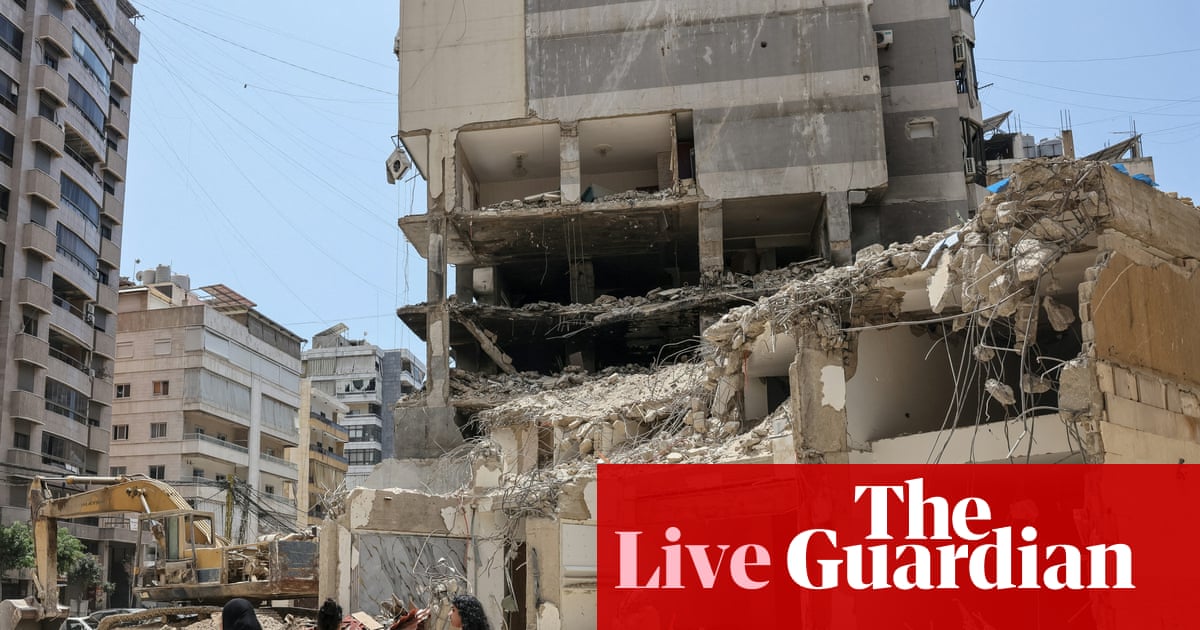
A US-backed ceasefire has been announced between Israel and Lebanon, but Israel says its forces will stay in a security zone in southern Lebanon and keep striking what it calls militant infrastructure. Hezbollah was not part of the talks and has not accepted the deal.
It is like two neighbors saying they will stop fighting, but one of them still keeps standing guard in the yard and says nobody can come back inside yet. The truce exists on paper, but the situation is still tense and unfinished.
Analysis
Ceasefire on paper, conflict in practice
Israel and Lebanon say they have agreed to a US-backed ceasefire meant to end hostilities, but Israel’s defence minister quickly undercut the idea of an immediate pullback. Israel Katz said the IDF would keep ground and fire operations in southern Lebanon, stay in a security zone up to the yellow line, and prevent the return of the population for now.
The article says the arrangement is conditional on a complete halt in fire from Hezbollah. It also says the deal would create pilot security zones in Lebanon, with Hezbollah fighters barred from areas south of the Litani River. Under the joint statement, the Lebanese army would take full control of those areas, but the piece notes that it is not yet clear how those zones would be established in practice.
Hezbollah is not taking part in the talks and has opposed them. A Hezbollah official told Agence France-Presse that the group would not accept a partial ceasefire. That makes the agreement politically fragile even before any implementation begins.
The live coverage also places the Lebanon ceasefire inside a wider regional crisis. The article says recent attacks on Kuwait pushed oil prices higher, airport operations were disrupted, and Iran-US nuclear talks were still continuing without progress. It also reports that Donald Trump suggested there could be movement on a deal soon. Taken together, the liveblog frames the ceasefire as one element in a much broader and still volatile regional confrontation.
Key points
- Israel says its forces will stay in southern Lebanon despite a new ceasefire agreement.
- The deal is US-backed and described as conditional on a halt in fire from Hezbollah.
- Israel says it will remain in a security zone and block the return of residents for now.
- Hezbollah did not take part in the talks and has rejected a partial ceasefire.
- The live coverage also tracks broader regional tension, including Iran-US talks and market reactions.
If the ceasefire holds, it could reduce cross-border fighting and create space for the Lebanese army to take control in the south. That could also help displaced civilians eventually return home if the security terms are implemented.
The truce could fail quickly if Israel keeps striking and Hezbollah does not accept the deal. The article also suggests the lack of clarity around the security zones could leave the agreement stuck in a gray area, with continued violence and more displacement.