Mirror publisher to cut 220 editorial jobs as readers turn to AI summaries
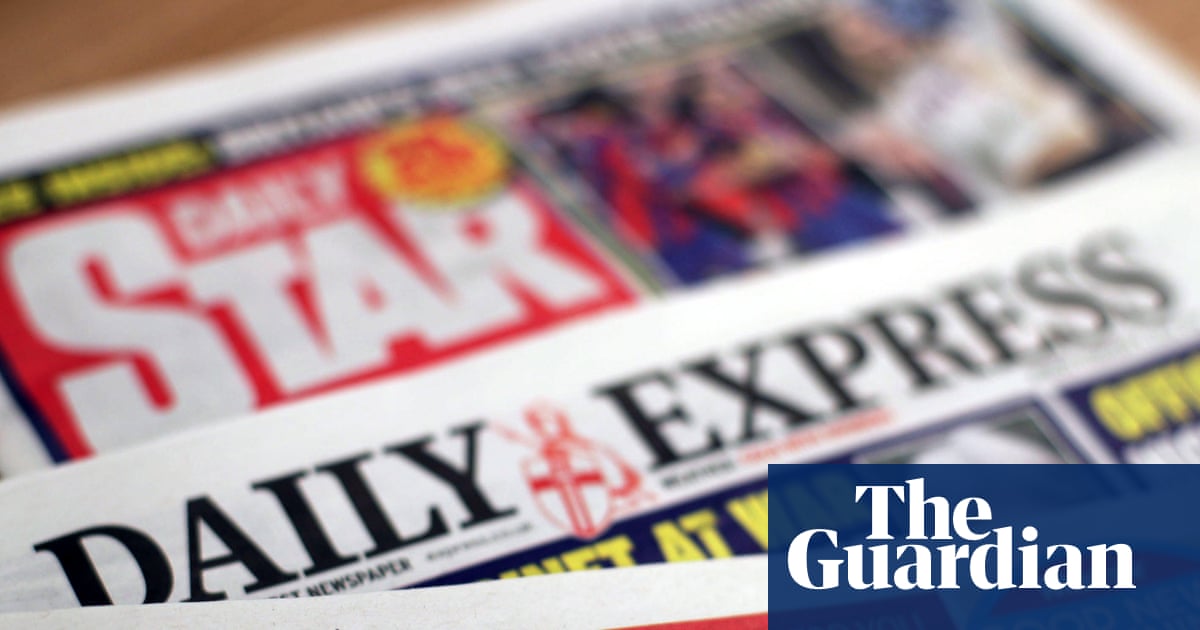
Reach, publisher of the Mirror and Express, is cutting 220 editorial jobs due to a dramatic fall in online traffic as readers increasingly use AI-generated content summaries.
Intelligence analysis by Gemini 2.5 Flash
The media company faces a "mammoth shift" in audience behavior, with a 46% decline in Google traffic attributed to features like Google's AI Mode and AI Overviews. This has led to significant job losses and a strategic pivot towards original journalism, subscriptions, and video content to drive digital revenue.
Imagine a newspaper company like a baker who makes delicious cakes. People used to come to the bakery to buy the whole cake. But now, a new smart machine at the town square gives everyone a tiny, free bite of the cake, so fewer people bother to visit the baker's shop. Because of this, the baker has to let some helpers go, but they're also trying to make special, unique cakes and sell subscriptions so people will still visit their shop.
Analysis
220 editorial jobs
Reach, the publisher behind prominent titles like the Mirror and Express, has announced a significant reduction of 220 editorial positions. This move is a direct response to a "mammoth shift" in how audiences consume news, primarily driven by the proliferation of AI-generated content summaries. The job cuts follow an earlier restructuring in September that saw over 300 editorial roles eliminated, indicating a sustained period of contraction within the company's newsrooms.
The company's strategy involves not only reducing staff but also reallocating resources. While 220 jobs are being cut, approximately 60 new editorial roles will be created. These new positions are specifically designed to "drive digital revenue growth," focusing on areas like subscriptions and longer-form video content, reflecting an attempt to pivot towards more sustainable digital income streams amidst declining traditional ad revenue.
Google’s AI Mode
A primary catalyst for Reach's drastic measures is the significant decline in online traffic originating from Google. The publisher reported a 46% year-on-year drop in referrals from the search giant, attributing this slump to new features such as Google’s AI Mode and AI Overviews. These AI-powered summaries provide users with concise answers directly within search results, effectively negating the need for readers to click through to original news websites.
This technological shift poses an existential threat to publishers reliant on traffic for advertising revenue. By providing immediate answers, AI tools bypass the traditional click-through model, diminishing page views and, consequently, the advertising impressions that underpin many digital news operations. Reach's decision to close three online-only brands—KentLive, AberdeenLive, and GalwayBeo—underscores the difficulty of sustaining digital ventures when external platforms like Google increasingly internalize content consumption.
David Higgerson
David Higgerson, Reach's chief content officer, articulated the company's strategic imperative in a note to staff, emphasizing the need to adapt to evolving audience behaviors. He highlighted a shift away from prioritizing "story volume" towards a greater focus on "original journalism and distinctive brands." This indicates a recognition that generic, high-volume content is less valuable in an AI-summarized world, pushing publishers to differentiate through unique, high-quality reporting.
Higgerson also pointed to competition from the BBC, claiming it mirrors commercial publishers' local output up to 70% of the time, further fragmenting the audience. The company's pivot includes a move away from traditional page views as a key metric, instead favoring "active engaged time." This metric shift suggests a focus on deeper, more meaningful reader engagement, which is crucial for converting casual readers into paying subscribers, a core component of Reach's future revenue strategy.
Key points
- Reach, publisher of the Mirror and Express, is cutting 220 editorial jobs.
- The decision is driven by a 46% year-on-year decline in Google traffic due to AI summaries.
- Approximately 60 new editorial roles will be created to focus on digital revenue growth, subscriptions, and video.
- Three online-only brands (KentLive, AberdeenLive, GalwayBeo) are being closed.
- The company is shifting focus from story volume to original journalism and 'active engaged time' over page views.
Reach's strategic pivot towards original journalism, subscriptions, and longer-form video could create more sustainable revenue streams. By focusing on distinctive brands and deeper reader engagement, the company aims to differentiate itself and build a loyal paying audience, potentially securing its future in a challenging digital landscape.
The continued decline in digital page views and Google traffic, coupled with intense competition from public broadcasters like the BBC, poses significant risks. Further job cuts and brand closures could occur if the new digital revenue strategies, particularly subscriptions, fail to offset the losses from traditional advertising models.